
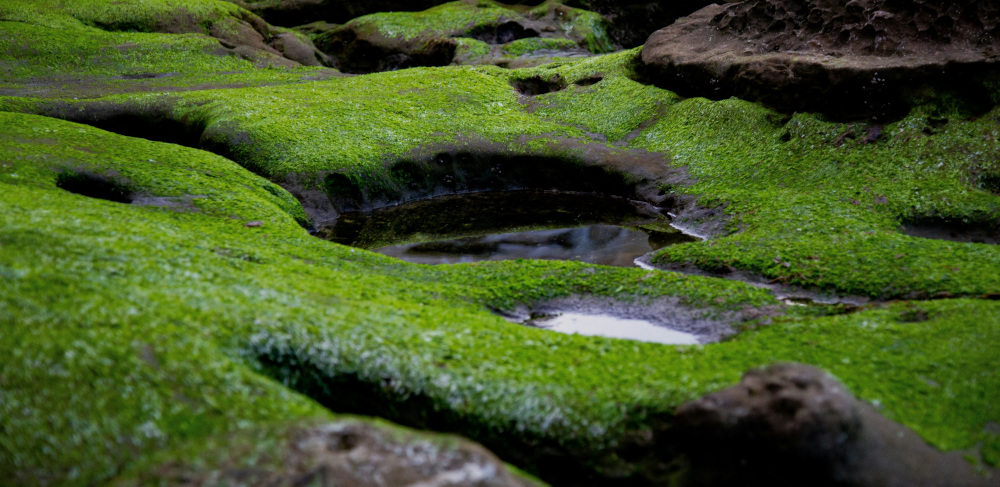
Figure 1: Chlorella algae are among the oldest life forms on Earth and are considered a superfood due to their high concentration of nutrients and vital substances.
Chlorella is a true nutrient powerhouse and one of the oldest life forms on Earth. The freshwater alga is, among other things, known for its extraordinarily high chlorophyll content. In this blog article you will learn which valuable constituents Chlorella contains and how to choose and take a suitable Chlorella preparation. You will also receive important information about the applications and potential health benefits of the microalga.
What are Chlorella algae?
Chlorella is a genus of freshwater algae found worldwide that thrives at temperatures of around 30 °C. Chlorella algae are microscopically small, highly complex single-celled organisms that have existed on Earth for more than two million years. Not least because of this remarkable resilience and hardiness, the algae are of interest to science, and many studies on Chlorella have been initiated in recent decades.
The reason for Chlorella's deep green colour is its high proportion of the plant pigment chlorophyll, which has not been measured in such concentrations in any other plant to date. The cell walls of Chlorella consist of several layers of cellulose, making the alga extremely resistant and giving its cells stability. Currently, more than twenty strains of the freshwater alga are known, of which Chlorella vulgaris is probably the best known.
Valuable constituents found in Chlorella
Because of its enormous density of nutrients and vital substances, Chlorella is often classed as a so‑called "superfood". Indeed, the microalga has an impressive nutrient profile: Chlorella is an excellent source of vitamin B12, which is why supplementation is particularly recommended for a vegan diet. In addition, the high protein content of around 60 percent is notable. Chlorella contains all essential amino acids, iron, calcium, phosphorus, zinc, magnesium, manganese, as well as all water‑soluble vitamins (vitamin B1, B2, B3, B5, B6, B9, vitamin C, biotin) and fat‑soluble vitamins (vitamin A, D, E, K). As a freshwater alga, Chlorella is also virtually iodine‑free.
Chlorella vs. Spirulina: What is the difference?
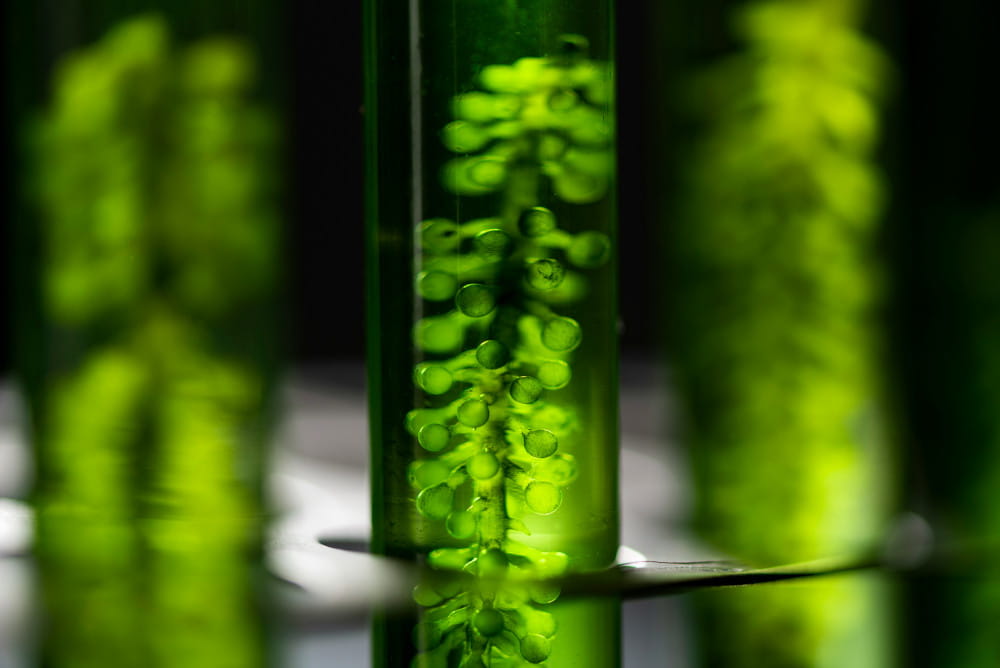
Figure 2: Although Chlorella and Spirulina are often both referred to as microalgae, Spirulina is actually a cyanobacterium.
The deep‑green Chlorella alga and the blue‑green Spirulina differ not only in colour but also in their basic structure. While Chlorella is a unicellular green alga, Spirulina is, strictly speaking, not an alga at all but a spiral‑shaped cyanobacterium. The fact that Spirulina, unlike Chlorella, lacks a nucleus—which distinguishes true microalgae—was only noticed after the term had already become established. In common usage, therefore, both Chlorella and Spirulina are often referred to as microalgae.
Another difference is that Chlorella is native to freshwater, while Spirulina thrives in salt or brackish water. Thanks to its lipid membrane, Spirulina is considered particularly easy to digest and, like Chlorella, scores highly for protein, vitamins and minerals. Both algae contain vitamin B12, although only in Chlorella is the vitamin present in a bioactive form.
Effects and applications of Chlorella
Chlorella is said to have a variety of positive effects on human health. Among other things, the freshwater alga is believed to support detoxification, promote gut health and provide antioxidant protection to the body's cells. However, most studies conducted so far are animal experiments or in vitro studies. As, among others, a meta‑analysis on Chlorella vulgaris[1] emphasises, further human research is necessary to substantiate the proposed health benefits of the alga.
Detoxifying effect
Chlorella is often taken with the aim of detoxifying the body and removing heavy metals. Indeed, the algae are rich in constituents with potentially detoxifying effects. In addition to the already mentioned chlorophyll, they contain glycoproteins, glutathione, sporopollenin (a component of the cell wall) and carotenoids.
With regard to Chlorella's purported detoxifying properties, the substances Protextonien and De‑Noxilipidnin also play an important role. Both are said to bind to heavy metals such as lead and mercury and neutralise them so that the toxins cannot cause harm in the body. The complex of Protextonien or De‑Noxilipidnin and contaminants is then excreted in the stool.
In particular, the cell walls of Chlorella algae also contain many dietary fibres that support gut health. Like Protextonien and De‑Noxilipidnin, these fibres can take up toxins and other contaminants present in intestinal fluid and help to facilitate the natural elimination of harmful substances.
Liver protection and support
The liver, a central detoxification organ in the human body, particularly benefits from the high amounts of chlorophyll contained in Chlorella. Every day our liver is busy processing toxins (e.g. environmental toxins, moulds, foods contaminated by pesticides). By neutralising these toxins and promoting their rapid elimination via the gut, chlorophyll and the other detoxifying constituents in Chlorella make an important contribution to protecting the liver.
Antioxidant effects and the immune system
The antioxidant properties of Chlorella have already been demonstrated in several studies. In a two‑part study[2], the antioxidant potential of Chlorella was first measured in vitro and compared with various vegetables. Afterwards, rats with experimentally induced diabetes were given Chlorella powder with their feed for eleven weeks. Both serum cholesterol and the level of lipid peroxides in the serum fell significantly in the rats as a result, suggesting that Chlorella does indeed have antioxidant potential.
The antioxidants contained in Chlorella, such as chlorophyll, vitamin C and carotenoids, can prevent cellular damage by free radicals and thus support the immune system. A healthy gut is also crucial for an intact immune system, since around 70% of all immune cells are located in the small intestine. The antioxidant and detoxifying properties of Chlorella (and thus its gut‑supporting effects) are therefore an ideal combination for comprehensively strengthening the body's defences.
Choosing a suitable Chlorella preparation
.jpg)
Figure 3: Chlorella is usually taken as a dietary supplement in tablet form or as a powder.
If you decide to take Chlorella as a dietary supplement, you can choose between different preparations. Common forms include tablets, liquid extracts or powders. To exclude contamination of the product you choose, you should opt only for high‑quality Chlorella from certified organic cultivation. Many reputable manufacturers make microbiological analyses of their products available on their websites or on request.
The organic Chlorella tablets from Unimedica are a good example of a 100% naturally pure product from certified organic cultivation that contains no additives. The Premium Selection Chlorella tablets from Unimedica also meet high quality and safety standards. The tablets are produced entirely in Germany. The algae used are Chlorella algae cultivated in the Altmark region under the Algomed® brand. As with the Chlorella Premium tablets produced in the Netherlands by Unimedica, the Chlorella algae are gently spray‑dried in thin layers after harvest to preserve their valuable constituents.
A good alternative to taking Chlorella tablets is pure Chlorella powder such as the organic Chlorella powder from Unimedica or the Premium Selection Chlorella powder from Unimedica. The powder can be taken simply by mixing a few scoops (about 3 g to 5 g) daily into foods, smoothies or drinks. Due to its high vitamin B12 content, Chlorella powder is suitable as a supplement for a vegan or vegetarian diet. In addition, the powder can also be used externally, for example as the base for a facial mask.
Recommendations for taking and dosages of Chlorella
Chlorella products can be taken at any time of day. It is advisable to divide the daily dose into two to three smaller doses. Concretely, this could mean taking half the daily amount in the morning and half in the evening, or taking a third of the total dose with each of your three main meals. To test tolerability initially, it is recommended to start during the first two weeks with a reduced intake of 2 g to 3 g Chlorella daily. The dose can then be gradually increased, depending on individual need, up to 10 g.
Make sure to drink plenty of fluids while taking Chlorella so that the valuable nutrients from the algae can be well absorbed by the body and bound contaminants can be eliminated as quickly as possible.
Chlorella intake: Side effects and contraindications
In general, Chlorella is considered very well tolerated. Only in sensitive individuals or in the event of an overdose can Chlorella products cause gastrointestinal complaints such as nausea, diarrhoea and vomiting as well as dizziness. In this case it is important to take physical symptoms seriously and, if in doubt, to reduce the dose or stop taking the product. If you are taking medications such as thyroid hormones, blood thinners (anticoagulants) or immunosuppressants at the same time, it is sensible to ask your doctor whether Chlorella supplementation is advisable and safe in your case.
Sources
[1] Panahi Y, Darvishi B, Jowzi N, Beiraghdar F, Sahebkar A. Chlorella vulgaris: A Multifunctional Dietary Supplement with Diverse Medicinal Properties. Curr Pharm Des. 2016. https://pubmed.ncbi.nlm.nih.gov/26561078/
[2] Shinya Shiata, Yu Natori, Terumi Nishihara, Kazue Tomisaka, Keisuke Matsumoto, Hiroshi Sansawa, Van Chuyen Nguyen. Antioxidant and Anti-Cataract Effects of Chlorella on Rats with Streptozotocin-Induced Diabetes. Journal of Nutritional Science and Vitaminology. 2003, Volume 49, Issue 5.
Photos: Unsplash: Darion Queen, Getty Images, Supliful

