

Zeolite - the magical stone. What does the name mean?
The name "zeolite" is derived from Greek. "Zeolites" literally translates as "boiling stone" and is composed of the words "zeo" (to boil) and "lithos" (stone). This name was chosen because zeolites release their bound moisture when heated, which makes them appear to "boil". Zeolites are porous minerals made up of a three-dimensional network of silicon, oxygen and aluminium atoms. In its natural form zeolite is a volcanic rock, in other words a mineral earth.
Zeolites are a family of aluminium silicates and cations that aggregate into macro-forms through many small individual cavities. They have the ability to take up and bind ions and molecules in these cavities. They act somewhat like a sponge. This makes them interesting for detoxification processes in the medical field.
There are currently about 140 natural and 150 synthetic zeolite species for specific and selective uses. Clinoptilolite is a natural form of zeolite and the most widespread compound of this mineral on the medical market. [1]
Other application areas include catalysis, water treatment, air purification and as an ingredient in detergents.
Zeolite — clinoptilolite: detoxification with the power of nature
Clinoptilolite is a specific form of this mineral known for its excellent detoxifying properties. As a volcanic rock these natural minerals possess a unique crystalline structure. Microporous channels and cavities are responsible for the mineral's valuable efficacy.
Beyond its detoxifying property it is also regarded as an excellent antioxidant and anti-inflammatory agent. [2]
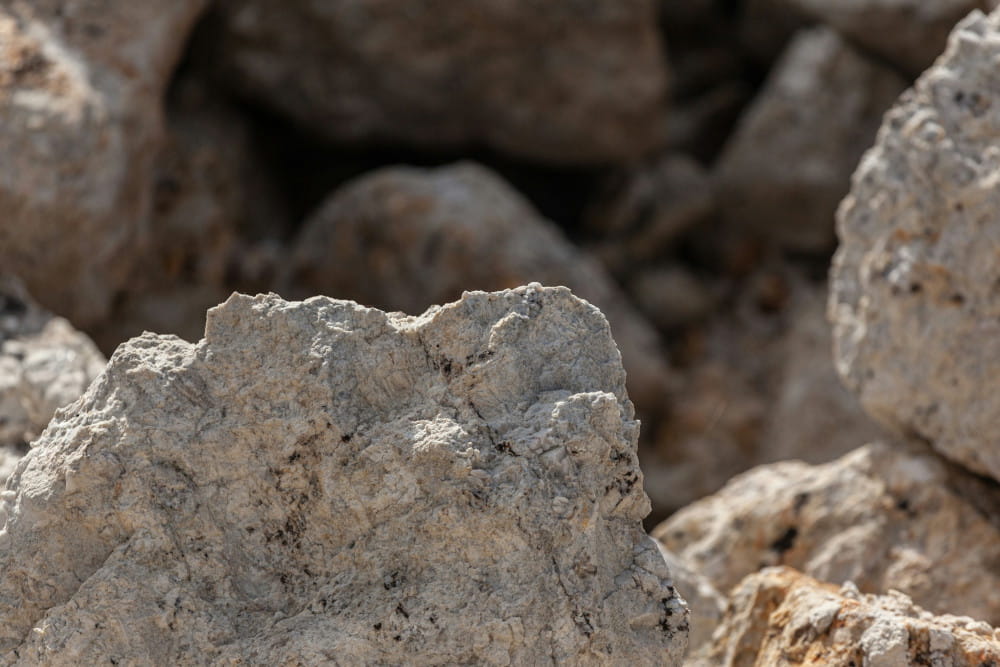
Fig.: Zeolite is a natural volcanic rock with a wide range of applications.
The main modes of action of zeolite clinoptilolite
The detoxifying effect of clinoptilolite zeolite is based on its ability to absorb and also to bind various substances (adsorb). Due to their porous structure the mineral has a large surface area, can effectively capture pollutants and toxins and absorb them like a sponge. Among other things it can bind heavy metals, ammonium, pesticides and even fungi, bacteria and viruses.
Zeolite is an ion exchanger. The mineral structure contains exchange sites where positive ions such as sodium, potassium or calcium can be replaced by other ions such as ammonium or heavy metal ions. This ion-exchange process enables the removal of pollutants while simultaneously exchanging nutrients.
Zeolite can regulate the pH by binding excess acid or alkali. It can act as a buffer and help to balance pH in the organism.
The mineral is also attributed with antibacterial properties. In addition to binding bacteria, zeolite can capture and neutralise toxins and harmful metabolic by-products from bacteria. [3]
After oral intake zeolite passes through the digestive tract and binds toxins to itself without damaging the intestinal wall. These bound toxins are then excreted naturally with the stool. This cleanses the gut and strengthens the function of the intestinal barrier.
Zeolite in naturopathy and alternative medicine
In naturopathy and alternative medicine zeolite has gained increasing importance in recent years. Especially in the form of clinoptilolite the mineral is valued as a versatile natural remedy due to its unique properties. Here is a look at possible areas of application:
Detoxification
The main use of clinoptilolite zeolite in naturopathy is its ability to detoxify and bind pollutants in the body. Effective and body-compatible detoxification can help reduce the burden of harmful substances on the body. Detox organs such as the liver and kidneys are thereby relieved. As an additional effect it is observed that zeolite intake stimulates the body's own detoxification enzymes. In particular the following antioxidant enzymes play an important protective role for the cells: glutathione (GSH) peroxidase, superoxide dismutase (SOD) and GSH reductase. [4]
Regular detoxification is one of the most effective preventive measures and is recommended as a complementary approach for many conditions, especially chronic diseases.
Gut health
Clinoptilolite zeolite is also valued for its positive effect on gut health. Through its ability to bind harmful substances, zeolite can help support the balance of the gut flora and promote the elimination of toxins and bacteria from the gut. The entire gastrointestinal tract is cleansed. A healthy microbiome is the basis for good digestion, an intact mucous membrane and a strong immune system. This makes zeolite a useful agent for a range of gastrointestinal complaints.
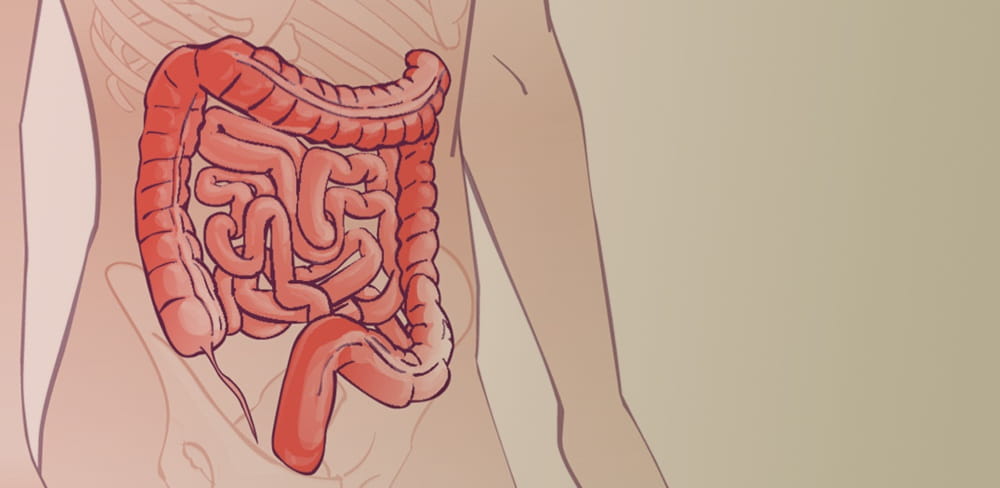
Fig.: A healthy gut flora helps prevent gastrointestinal complaints such as irritable bowel syndrome and leaky gut.
Leaky gut
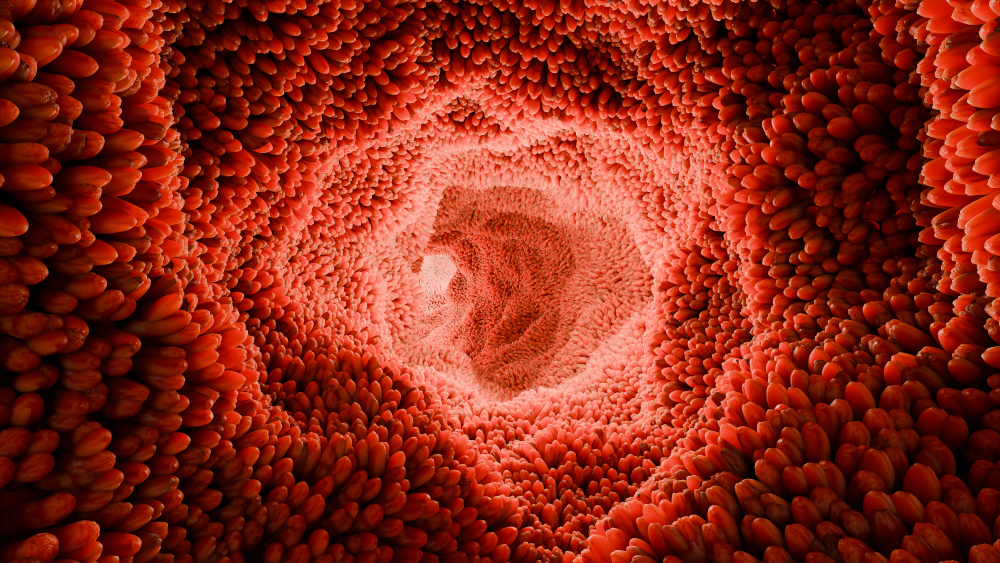
In the context of gut health the topic of leaky gut should also be considered. Due to numerous pollutant exposures and our stress-laden lifestyle, gastrointestinal complaints are increasing significantly. The leaky gut syndrome plays a central role in this. Progressive strain on the intestinal mucosa and the microbiome damages the intestinal wall and tiny holes develop. As a result the intestinal wall's function is impaired, which can lead to numerous health burdens. [5] [6]
Irritable bowel syndrome and other metabolic complaints should also be mentioned in this context.
Zeolite can be an important component here for detoxification and for restoring an intact intestinal wall and gut health.
Acid–base balance
Clinoptilolite zeolite is also used and valued in naturopathy for regulating the body's pH. It can help maintain a balanced acid–base status and counteract excess acidity. A healthy acid–base balance can help reduce inflammation and chronic diseases.
Immune system
Through its detoxifying properties and the promotion of a healthy gut environment zeolite can strengthen the immune system. A strong immune system is crucial for defending against disease and maintaining health.
Cholesterol levels
Some studies suggest that zeolite may also have a positive effect on cholesterol levels. It is believed that zeolite binds excess cholesterol in the gut and promotes its excretion, which can lead to an improvement in cholesterol levels. [7]
Anti-inflammatory properties
Clinoptilolite zeolite also exhibits anti-inflammatory properties that can be used in naturopathy to treat inflammatory conditions. By reducing inflammation in the body zeolite can help relieve pain and other complaints. [8]
Antioxidant power
Increased oxidative stress is a major problem in our time, often accompanied by a shortage of antioxidant substances. Zeolite scores here with its antioxidant power. It supports bodily processes down to the mitochondria. [9]
Zeolite in use
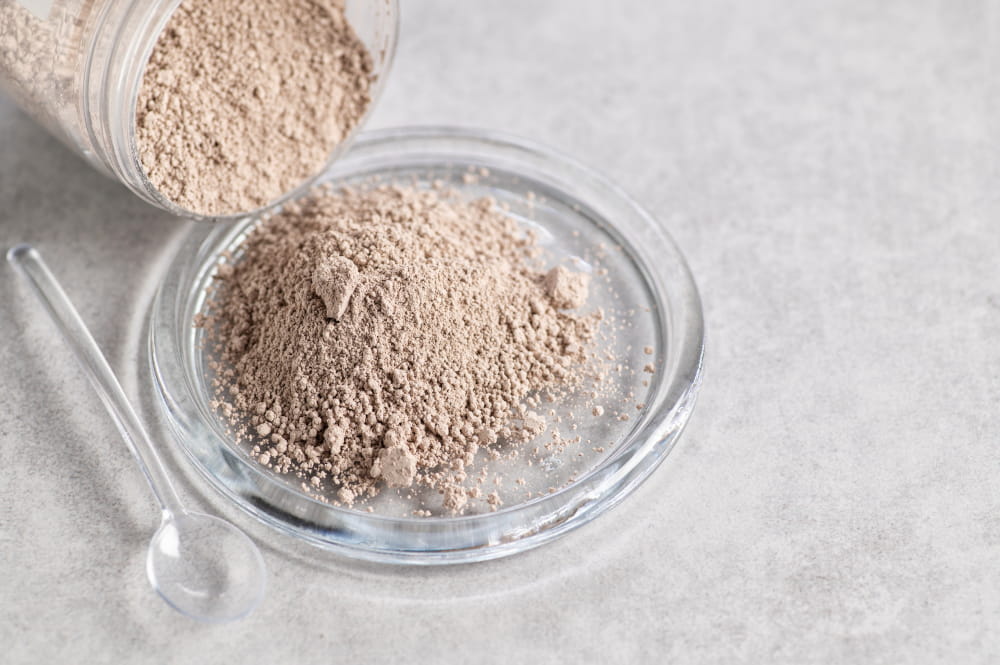
Fig.: Zeolite is commonly taken in capsule form or as a powder. Topical applications are also popular.
From the properties of the mineral listed above many possible applications can be derived. As already mentioned, chronic diseases should be listed first. But zeolite intake is also advisable in autoimmune diseases to promote regeneration of the gut and thus of the immune system.
Many conditions today are associated with leaky gut. These include, for example, rheumatism, allergies, migraine, Alzheimer’s, Parkinson’s and heart disease. Zeolite use is appropriate here as well. It goes without saying that this is a supportive application and not a standalone therapy. [10]
Studies show that the mineral can also have a positive influence on the course of cancer. It detoxifies, increases the proportion of antioxidants in tissues, repairs the gut and thereby improves nutrient absorption. Furthermore, studies have shown that intake can activate genes that inhibit tumour growth. [11] It is therefore sensible to use the volcanic mineral as a supportive measure during cancer therapies. [12]
The importance of particle size
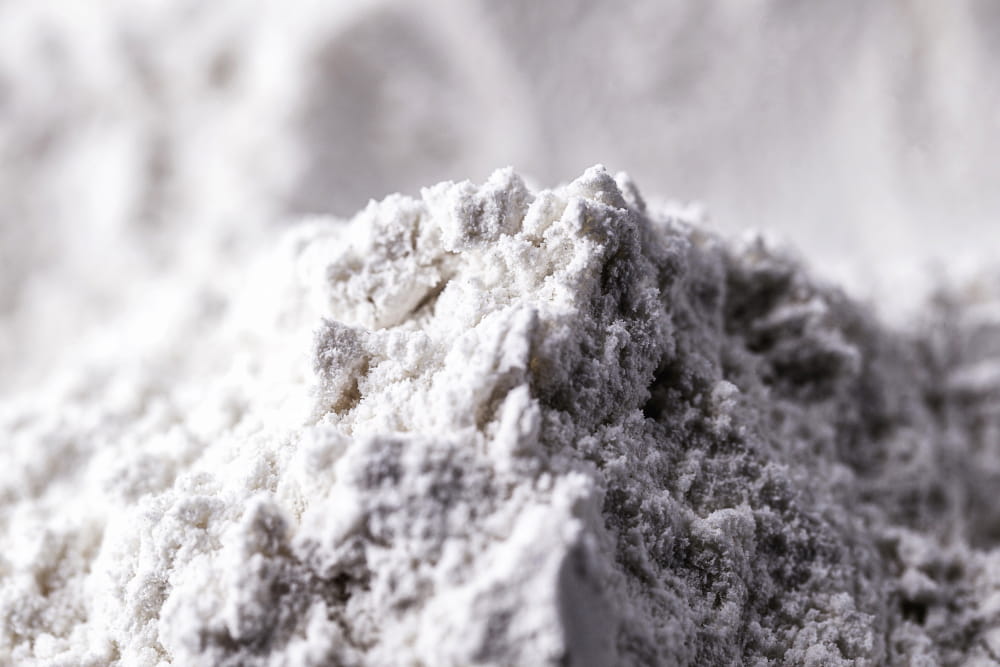
For the desired effect not only the quality of the mineral matters but also the size of the zeolite particles. Smaller particles offer a larger specific surface area which increases the adsorption capacity of the mineral, i.e. the zeolite powder can take up toxins more effectively. For internal use a particle size between 10 and 40 µm (micrometres) is recommended. At this particle size a high adsorption capacity of the zeolite is guaranteed, yet the particles cannot cross the natural intestinal barrier and therefore do not enter the bloodstream.
With particles in the nano range (nanometres or nm) there is a risk that the tiny molecules may unintentionally enter the bloodstream and cause damage in sensitive body regions – for example in the fine filtration slits of the kidneys.
Coarse-grained zeolite is suitable, for example, for soil improvement and odour neutralisation or is used externally for poultices, mud baths or cosmetic face masks. Coarse mineral earth is also significantly cheaper than the fine-grained variant that can be used for medical purposes.
Aluminium from zeolite does not enter the blood
The network-like crystal lattice of zeolite consists of silicon (SiO4) and aluminium (AlO4) – aluminosilicates – and cations with a positive charge such as calcium, magnesium, iron, sodium and potassium are found in the centres of the cavities. The lattices themselves carry a negative charge. These charges play a major role in the binding properties and ion exchange and are important for the detoxification properties.
There are studies suggesting that oral intake of clinoptilolite zeolite does not lead to significant amounts of aluminium entering the bloodstream. Aluminium is a natural component of zeolites and there is always concern that it could enter the body and have harmful effects. However, the counterargument is that aluminium is very stably bound within natural zeolite and is generally not released. Zeolite also contains silicon, which is regarded as a strong antagonist to aluminium.
Studies have shown that zeolite preferentially binds cations and holds the aluminium firmly within the zeolite lattice. This means that the aluminium remains bound in the zeolite structure and does not enter the circulatory system. [13] [14]
However, it is important to note that the quality of the zeolite used is significant in this context. In particular, aluminium may be released from synthetically produced zeolite.
Why do people need help coping with pollutants?
This topic is repeatedly controversial. Zeolite has a strong detoxifying effect. This property can be important and useful for people for the following reasons:
- In our modern world we are exposed to a variety of environmental toxins that we are often not consciously aware of. These include air pollution, heavy metals, pesticides and chemicals. These burdens can accumulate in the body.
- The consumption of processed foods and chemical additives can burden the body with unnatural substances.
- Medications and certain treatments have side effects and can also leave traces in the body and burden the liver and kidneys.
- Regular alcohol consumption and smoking can also leave toxic residues in the body.
- Detox organs may not function optimally in some people due to genetic or health factors. Because of the many possible sources of burden, organs such as the liver, skin and kidneys can also become overloaded.
- Chronic stress can impair the elimination of toxins and weaken the immune system.
- With increasing age the body's ability to eliminate toxins may decline. This can make support necessary.
- In certain diseases and infections toxins can accumulate in tissues and impede recovery. Bacteria, viruses, parasites and fungi also release toxic metabolic products.
- The removal of heavy metals is important because heavy metals are toxic and can cause long-term health problems.
- Effective elimination of toxins can help improve general wellbeing, increase energy and strengthen the immune system.
It is important to note that the body's detoxification needs can be individual and not everyone requires the same support.
Use, dosage and duration of zeolite intake
The use and dosage of zeolite can vary depending on the specific purpose and the form of zeolite. Here are some common uses and dosing guidelines:
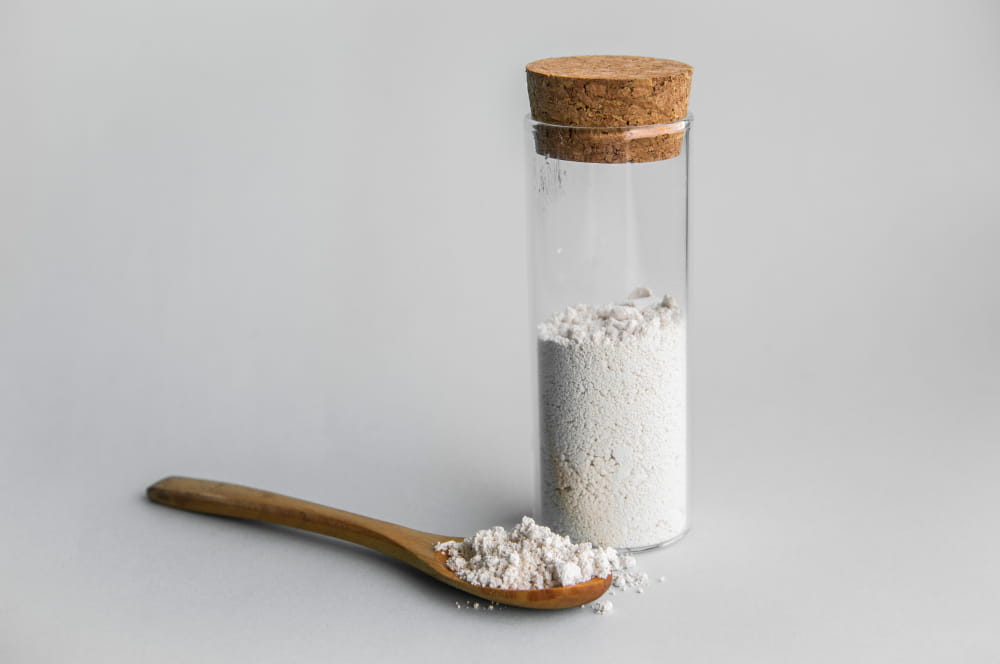
- Zeolite is often used as a dietary supplement to supply the body with minerals and potentially bind toxic substances. Recommended dosages vary, but typically range between 1 and 3 grams per day.
- When using zeolite for detoxification the dosage can differ depending on the individual situation. It is often recommended to start with a lower dose and gradually increase it to allow the body to acclimatise to the zeolite. A typical starting dose is 0.5 to 1 gram per day and can then be gradually increased up to 3 grams per day. It is important to drink sufficient water during detoxification to keep the body hydrated.
- Zeolite can also be used in skincare products such as masks or creams. The dosage depends on the specific composition of the product. Please follow the manufacturer's recommendations.
The optimal duration of zeolite intake can vary depending on individual circumstances, health status and the intended purpose. There is no uniform recommendation for the maximum duration of zeolite use.
Versatile and a bit more
Zeolite is a versatile mineral with a wide range of applications. In addition to the aforementioned modes of action such as adsorption, ion exchange, pH regulation and odour control (think cat litter!), there are some other interesting uses of zeolite:
- As a feed additive zeolite is used to promote digestive health in animals, improve odour conditions in stables and bind pollutants.
- In water filters zeolite removes heavy metals, pollutants and excess nutrients, purifying drinking water.
- In nature and agriculture zeolite can be used as a soil improver to increase water retention capacity and nutrient availability in the soil.
- Because of its porous structure zeolite is also being investigated in materials research, particularly for its properties as an adsorbent for gas storage or as a catalyst for chemical reactions.
- In some skincare products such as soaps, face masks and creams zeolite is used to absorb excess oil, cleanse pores and revitalise the skin.
It is important to note that the effectiveness of zeolite can vary depending on the origin of the mineral and the product properties. It is advisable to choose only high-quality products and follow the manufacturer's recommendations to ensure safe and appropriate use.
Disclaimer
Zeolite is not a miracle cure and cannot replace medical treatment. However, it can be taken as a supportive measure for many health problems. It can be particularly useful for the elimination of toxins. This should always be done in consultation with a doctor or qualified practitioner. In addition, the quality of the products used is of outstanding importance and it is recommended to opt for a natural product that is ideally also approved as a medical device.
Images: Unsplash: Snowscat, MiningWatch Portugal; Shutterstock: first vector trend, Alioui Ma, Yushchuk Myroslava, RHJPhtotos, FotoHelin

