
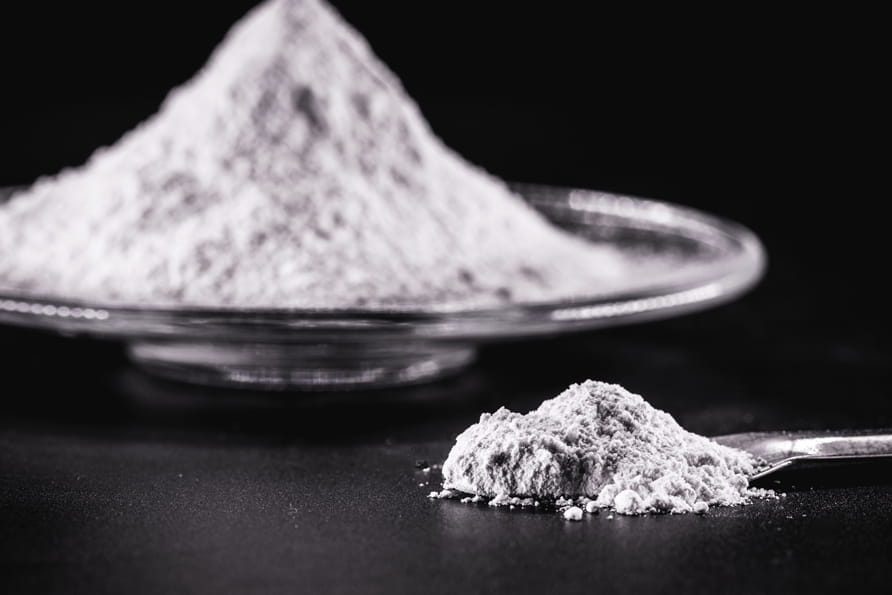
Figure 1: Boron is a fascinating trace element involved in numerous biochemical processes. The hardness of the element is surpassed only by diamond.
The trace element boron has anti-inflammatory properties and can support bone health. Studies also show that boron may have a beneficial effect on joint diseases such as arthritis and osteoarthritis and can increase sex hormone levels in both men and women. In this blog article, find out which foods contain boron and what you should pay special attention to when choosing a boron supplement.
What is boron?
Boron is a metalloid that the body cannot produce itself. As it occurs in the human organism only in very small amounts (approx. 0.7 ppm per kilogram body weight), boron is classified as an ultra-trace element. According to the World Health Organization, a safe boron intake for adults is 1–13 mg/day[1]. Boron is extremely heat-resistant. It has the second-highest hardness of all known elements, exceeded only by carbon in the form of diamond.
Boron compounds have been known for millennia. For example, the natron used in ancient Egypt for mummification contained borates among other components. Today inorganic boron compounds can be found in food packaging, detergents, adhesives and insecticides.
Borax, the salt of boron, is a compound of sodium, boron, oxygen and water. Borax or sodium borate is essential for plants, as it promotes root growth, cell wall formation and nutrient uptake, among other things. To what extent the trace element might also be essential for the human organism is unclear due to insufficient study data. EFSA classifies boron as a non-essential trace element without proven physiological or biochemical benefit for humans.[2]
Uses and potential effects of boron

Figure 2: In naturopathy boron has long been highly valued. The trace element is said to have positive effects on bone and joint health.
The possible health benefits of boron and borax for humans are not sufficiently scientifically substantiated. Most of the studies carried out to date are in vitro experiments or animal studies. Nevertheless, boron has long been valued in naturopathy as an important micronutrient. Below is an overview of the most frequently investigated effects and areas of application of boron.
Osteoarthritis
Results from various human and animal studies suggest that boron may improve the symptoms of osteoarthritis.[3] This is mainly due to the anti-inflammatory effect of the trace element. Borax acts anti-inflammatory because it lowers levels of pro-inflammatory mediators such as TNF-alpha in the body. In one study, male volunteers took 10 mg boron in the form of borax daily for one week. Afterwards, participants' TNF-alpha levels had decreased on average by 20 percent compared with baseline.[4]
Further support for boron's efficacy in osteoarthritis comes from regions with an estimated daily boron intake of 3 to 10 mg, where the incidence of osteoarthritis ranges from 0 to 10 percent. In areas with an estimated boron intake of less than one milligram per day, epidemiological data show osteoarthritis prevalence of 20 to 70 percent.
Improvements in pain symptoms and joint mobility from boron supplementation have also been observed in studies. In a double-blind, placebo-controlled trial, osteoarthritis patients were asked to take 6 mg boron daily. After eight weeks, the typical osteoarthritis pain had decreased significantly compared with the placebo group.[5]
Bone health
When it comes to the potential effects and uses of boron, bone health is often named first. Indeed, several animal studies have shown that boron can positively stimulate bone metabolism. In a trial with rabbits, daily supplementation with 3 mg boron for 10 to 20 days led to stimulation of dental bone formation and an increased bone mineral density.[6]
In addition, boron supports the uptake of the minerals calcium and magnesium that are so important for bones. In one of the few human intervention studies, only postmenopausal women participated. It was shown that taking 3 mg borax — a mineral compound of boron, sodium, oxygen and water — for 28 days reduced urinary calcium excretion by 44 percent. When less calcium is excreted, a larger amount is available for incorporation into bone.
A similar association is suspected between boron and magnesium: boron appears not only to reduce magnesium excretion but also to help magnesium be better absorbed and incorporated into bone. Because it is reputed to support bone strength, boron is often used in the treatment of osteoporosis. As the bone-stabilising hormone oestrogen is progressively broken down after the menopause, bone loss frequently occurs in menopausal women. Boron can counteract this development by increasing female oestrogen levels again.[7]
Hormonal regulation
Boron intake affects not only female sex hormones: in a study conducted in men, levels of free testosterone rose from 11.83 pg/ml to 15.18 pg/ml after one week of daily intake of 6 mg boron. At the same time, numerous inflammatory markers and the participants' oestrogen levels fell.[8]
If the oestrogen level in the blood falls too far, hormonally induced headaches often result. This form of cycle-related migraine mainly affects women of childbearing age and women in the menopause. Because boron can help regulate oestrogen levels, it is often recommended for hormonally induced headaches.
Brain function
A boron deficiency can negatively affect many aspects of brain activity and cognitive functions. As shown in one study, boron deprivation (p < 0.05) led after a relatively short time to impairments in general attention, learning ability, long-term memory and manual dexterity.[9] That increased boron intake can improve brain function has not yet been scientifically proven.
Which foods naturally contain boron?
Good natural sources of boron are mainly plant-based foods such as nuts, dried fruit and vegetables. The trace element is also present in small amounts in drinking water. Meat and dairy products, on the other hand, contain only little boron.[10]
The list of particularly boron-rich foods is led by dried plums (also called prunes). Due to their high sorbitol content, these can quickly have a laxative effect and cause bloating. If you do not tolerate dried plums well, the following list provides some boron-rich alternatives. The boron values (in mg) refer to 100 g of the respective food.[11]
dried plums (prunes): 2.7 mg raisins: 2.5 mg dried dates: 0.92 mg almonds: 2.3 mg peanuts: 1.8 mg hazelnuts: 1.6 mg honey: 0.72 mg raw apples (with peel): 0.27 mg grape juice: 0.2 mg canned peaches: 0.18 mg broccoli: 0.18 mg
Boron supplements

Figure 3: When buying a boron product, you should ensure that the boron it contains has high bioavailability.
Tablets and capsules are the most common dosage forms of boron as a dietary supplement. When choosing a product, you should above all check the dosage and the form in which boron or borax is present. The vegan Boron tablets from Unimedica contain exclusively highly dosed organic boron in the form of sodium borate. Sodium borate has high bioavailability and can be very well absorbed by the body.
Furthermore, boron is a frequent component of multi-ingredient formulations. A good example is the Cartilage*-Complex from Unimedica. The high-quality combination product consists of carefully selected ingredients and was specially designed to support the normal function of all cartilage and bone. In addition to boron, the capsules also contain vitamins C and D3 as well as MSM, frankincense and hyaluronic acid.
Notes on boron intake and dosage
Because boron is classified as a non-essential trace element, there are no official intake recommendations.[12] Some boron experts, such as Dr Forrest H. Nielsen from the US Department of Agriculture, however recommend a daily intake of at least 0.5 to 1 mg boron to benefit from the trace element's positive effects.[13]
As a rule, boron tablets and capsules are taken once daily with sufficient liquid. To avoid the possibility that other nutrients may interfere with boron absorption, a time gap of at least 60 minutes to the next meal should be observed. When taking it, be sure to follow the manufacturer's recommended intake, which you will find on the product packaging or in the package leaflet.
Possible side effects and contraindications
At usual dosages, no side effects from boron intake are known. According to the WHO, 1 to 13 mg boron is a safe daily intake for healthy adults.[14] At extremely high dosages of over 100 mg boron per day, complaints such as headaches, cramps, inflammation and hair loss can occur. These intake amounts are usually not reached.
There are also no known interactions of boron with certain medicines according to current knowledge. Borates and boric acid are completely absorbed by the body in a short time and are excreted again within a few days in healthy people. Children, adolescents, pregnant and breastfeeding women should, as a precaution, not supplement boron or only do so after medical consultation.
[1] Trace elements in human nutrition and health. World Health Organization. 1996. Trace elements in human nutrition and health (who.int). (accessed 29.07.2024).
[2] EFSA (2011): Scientific Opinion on the substantiation of health claims related to boron and prevention and treatment of prostate cancer (ID 221), maintenance of normal thyroid function (ID 222) and contribution to normal cognitive function (ID 223). EFSA Journal 9.
[3] Newnham R. Discovering the cure for arthritis. Nutr Health. 2004. https://pubmed.ncbi.nlm.nih.gov/15174735/.
[4] Naghii MR, Mofid M, Asgari AR, Hedayati M, Daneshpour MS. Comparative effects of daily and weekly boron supplementation on plasma steroid hormones and proinflammatory cytokines. J Trace Elem Med Biol. 2011 Jan. https://pubmed.ncbi.nlm.nih.gov/21129941/.
[5] Newnham RE. Essentiality of boron for healthy bones and joints. Environ Health Perspect 1994. 102 Suppl 7: 83-85. https://pubmed.ncbi.nlm.nih.gov/7889887/.
[6] Uysal T, Ustdal A, Sonmez MF, Ozturk F. Stimulation of bone formation by dietary boron in an orthopedically expanded suture in rabbits. Angle Orthod. 2009 Sep. https://pubmed.ncbi.nlm.nih.gov/19705952/.
[7] Pizzorno L. Nothing Boring About Boron. Integr Med (Encinitas). 2015 Aug. https://www.ncbi.nlm.nih.gov/pmc/articles/PMC4712861/.
[8] Naghii MR, Mofid M, Asgari AR, Hedayati M, Daneshpour MS. Comparative effects of daily and weekly boron supplementation on plasma steroid hormones and proinflammatory cytokines. J Trace Elem Med Biol. 2011 Jan. https://pubmed.ncbi.nlm.nih.gov/21129941/.
[9] Penland JG. Dietary boron, brain function, and cognitive performance. Environ Health Perspect. 1994 Nov. https://pubmed.ncbi.nlm.nih.gov/7889884/.
[10] Hunt CD, Shuler TR, Mullen LM. Concentration of boron and other elements in human foods and personal-care products. J Am Diet Assoc 1991. https://pubmed.ncbi.nlm.nih.gov/2019698/.
[11] Gröber U. Das Ultra-Spurenelement Bor. Zeitschrift für Orthomolekulare Medizin. 2015. 4: 9-15.
[12] Dietary Reference Intakes for Vitamin A, Vitamin K, Arsenic, Boron, Chromium, Copper, Iodine, Iron, Manganese, Molybdenum, Nickel, Silicon, Vanadium, and Zinc. Institute of Medicine (US) Panel on Micronutrients. Washington (DC): National Academies Press (US). 2001.
[13] Nielsen FH, Penland J. Boron supplementation of peri-menopausal women affects boron metabolism and indices associated with macromineral metabolism, hormonal status and immune function. J Trace Elem Exp Med1999. 12: 251-261.
[14] World Health Organization. Boron. Trace elements in human nutrition and health. Geneva. 1996.
Figure 1: RHJPhtotos/Shutterstock.com; Figure 2: Vera Prokhorova/Shutterstock.com; Figure 3: PeopleImages.com - Yuri A/Shutterstock.com

