

Figure 1: The plant pigment astaxanthin is regarded as one of the most powerful natural antioxidants and helps plants survive extreme conditions.
The red plant pigment astaxanthin is considered one of the most powerful natural antioxidants. The antioxidant and anti-inflammatory properties of this carotenoid can, among other things, have a positive effect on eye and skin health. In this blog article you will find information on the occurrence and formation of astaxanthin. You will also learn about the main areas of application of this plant pigment and discover which criteria are best for choosing a dietary supplement containing astaxanthin.
What is astaxanthin?
Astaxanthin belongs to the group of carotenoids. These are secondary plant compounds that protect plant cells from oxidation and UV radiation during energy production. Astaxanthin naturally occurs particularly frequently in algae and plankton, but also in some fungi and bacteria. Many marine animals and aquatic organisms feed on algae and small crustaceans that contain the red plant pigment. This is also the reason for the characteristic red to pink colouring of crabs, lobsters, wild salmon and flamingos.
The most important natural source of astaxanthin is the so-called red rain alga (Haematococcus pluvialis). The normally green freshwater alga turns red in response to cold, nutrient deficiency or severe drought. In such life-threatening situations, the alga downregulates all metabolic processes and stores astaxanthin in its cells. The compound enables the algae to survive for years under extreme environmental conditions without water or nutrient supply. When the exceptional situation ends, chlorophyll is released and the alga returns to its original green colour.
Astaxanthin and its antioxidant properties
.jpg)
Figure 2: Due to its remarkable antioxidant potential, astaxanthin is able to neutralise free radicals effectively.
It is widely known that antioxidants are extremely important for the body. But how do antioxidant substances like astaxanthin actually work and why are they so relevant? As their name suggests, antioxidants are able to prevent oxidation. They neutralise so-called free radicals, which can cause harmful chain reactions in the body by stealing an electron from healthy cells. This process is also known as "oxidative stress" and can, among other things, cause numerous chronic inflammatory diseases and accelerate ageing processes.
To prevent oxidative stress, antioxidants are needed to render free radicals harmless. Astaxanthin is an exceptionally potent antioxidant, which is why it is sometimes called the "red diamond". One study showed that astaxanthin can exert an antioxidant effect up to 60 times stronger than vitamin E, beta-carotene and vitamin C. [1] What gives astaxanthin a special position among antioxidants is also its ability to neutralise free radicals in both the water- and fat-soluble regions of the cell membrane, rather than acting only on the inner side (as with vitamin E) or the outer side (as with vitamin C). [2]
Compared with other carotenoids, astaxanthin is also able to distribute extremely effectively throughout the entire body and to cross the blood–brain barrier and the blood–retina barrier. In this way, the brain, the retina and many other organs, tissues and joints can benefit from the cell-protective effect of the carotenoid.
Key applications and effects of astaxanthin
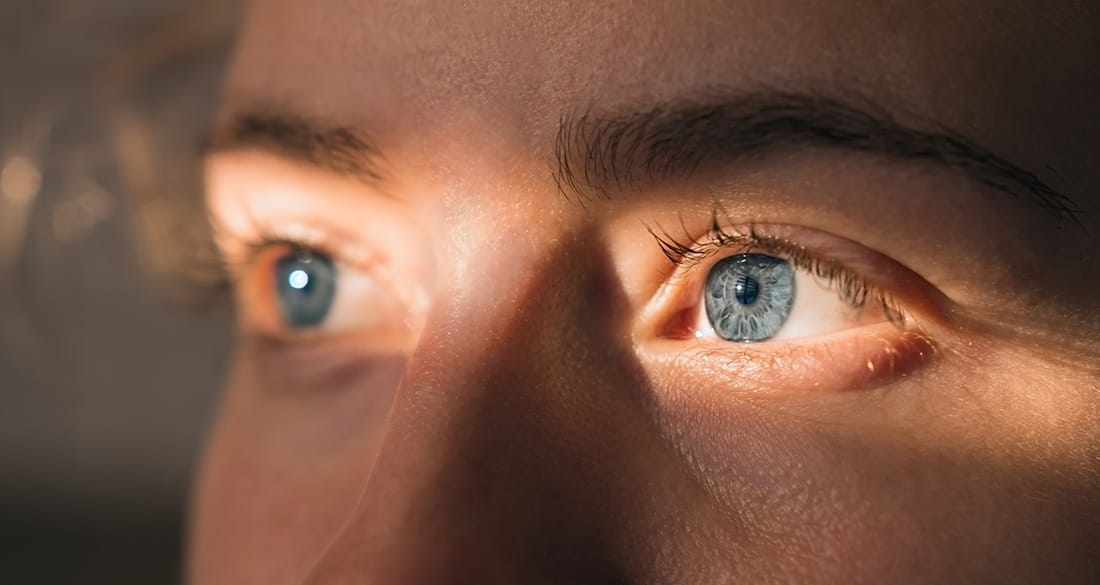
Figure 3: Due to its antioxidant and anti-inflammatory properties, astaxanthin can exert beneficial effects in many areas of the body.
Oxidative stress and inflammation are the cause of numerous health complaints. This means that, conversely, an antioxidant and anti-inflammatory substance such as astaxanthin can have positive effects on a wide range of bodily areas. Below you will find a selection of common applications for astaxanthin:
Eyes
Many eye diseases, such as glaucoma and cataract, are likely the result of increased oxidative stress and/or inflammation in the body. Accordingly, adequate supply of antioxidants is extremely important for the prevention of these conditions. Due to its ability to cross the blood–retina barrier and to accumulate in the retina, astaxanthin is well suited for the prevention of eye problems.
Astaxanthin contributes to eye protection on several levels: it not only shields the eye from oxidative stress but also from damage caused by UV radiation. In addition, the carotenoid promotes ocular blood flow and can thereby help prevent eye disorders such as glaucoma, which often result from impaired blood circulation. In another study, symptoms caused by eye strain and dry eyes were noticeably reduced after one month of daily intake of 6 mg astaxanthin. [3]
Natural sun and skin protection
Not only the eyes, but other parts of our bodies can also be protected from UV radiation by astaxanthin. Astaxanthin can reduce the negative effects of excessive UV exposure and, through its anti-inflammatory properties, contribute to faster healing of sunburn, for example. As our largest organ, the skin is particularly exposed to harmful environmental factors such as UV radiation and pollutants. Many of these external influences can stimulate the formation of free radicals in the body and lead to oxidative stress, which in turn contributes to premature skin ageing.
Astaxanthin can counteract the visible effects of premature skin ageing and is therefore considered an anti-ageing active ingredient. In a Japanese study, exclusively female participants received a dose of 6 mg astaxanthin per day. After two and four weeks the participants' skin was examined for possible changes. The women's skin condition had indeed improved markedly: skin moisture content had increased and fine lines and pimples had noticeably reduced. [4]
Chronic inflammation
As already mentioned, astaxanthin has anti-inflammatory effects. While acute inflammation is an important sign of an ongoing healing process, chronic inflammation can lead to serious tissue damage. Possible manifestations of chronic inflammation include diseases such as asthma, arthritis, Alzheimer's, Parkinson's or Crohn's disease. By reducing the activity of inflammatory mediators, astaxanthin exerts a strong anti-inflammatory effect. As a complement to holistic therapy, the compound can therefore be useful in combating chronic inflammation.
Astaxanthin for athletes
Long recovery times, an increased risk of injury and chronic muscle fatigue are common consequences of oxidative imbalance. People who do sports or are exposed to other intensive physical strain have an increased oxygen consumption, which can promote the formation of free radicals. Accordingly, astaxanthin is often taken by athletes who expect, among other benefits, protection against oxidative damage and shorter recovery times after exercise.
In addition, astaxanthin can lower lactate levels in muscles and thus support physical performance. Lactate is lactic acid produced during muscle exertion and can lead to increased tiredness and burning sensations in muscles. In a study in which male subjects took 6 mg astaxanthin daily for four weeks, the treatment group's lactate levels were 28.6 percent lower at the end of the month than those of the control group. [5]
How to find a suitable astaxanthin preparation
The human body cannot synthesise astaxanthin and it is only absorbed in very small amounts through the diet. For example, salmon contains well under one milligram of astaxanthin per 100 g. Therefore, it can be sensible to take astaxanthin as a supplement. Dietary supplements containing astaxanthin are now available in many different forms and formulations.
Many people choose to take astaxanthin in capsule, tablet or drop form. Softgel capsules such as the Astaxanthin capsules from Unimedica offer the advantage of being particularly easy and convenient to take. When selecting a dietary supplement containing astaxanthin, attention should also be paid to the origin and manufacturing process. The microalgae used for the vegan organic astaxanthin drops from Unimedica are sourced from strictly controlled organic cultivation in the EU.
Astaxanthin is also naturally present in numerous fish oil capsules. Among many other marine species, Antarctic krill is one of the crustaceans that primarily feed on algae. Accordingly, krill oil is relatively high in astaxanthin and is contained, for example, in the Krill oil SUPERBA 2™ capsules from Unimedica.
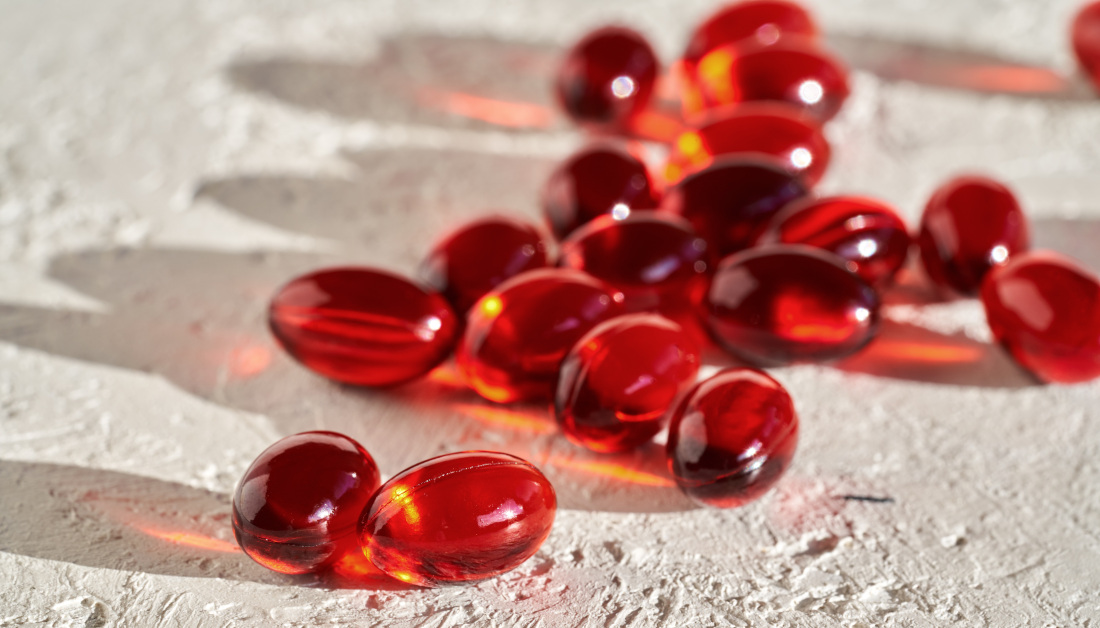
Figure 4: Astaxanthin is available, among other forms, as softgel capsules.
Correct administration and dosage of astaxanthin
There is no officially established maximum dosage for astaxanthin. It is commonly recommended to take between 4 mg and 8 mg of astaxanthin per day. For people who are regularly exposed to high physical strain or intense oxidative stress, higher doses may be appropriate. However, individual dosage should always be agreed with a doctor.
As carotenoids are fat-soluble substances, it is not advisable to take astaxanthin on an empty stomach. Instead, combine the intake with a meal containing fat so that astaxanthin can be absorbed and utilised optimally by the body.
Possible side effects of astaxanthin
No adverse side effects have been found in any of the studies conducted so far on the safety of astaxanthin. In a randomised, placebo-controlled study, 35 healthy adults took three gel capsules containing 2 mg astaxanthin each in safflower oil daily for eight weeks. A placebo group received pure safflower oil in the same dose. The study concluded that daily intake of 6 mg astaxanthin from a Haematococcus pluvialis algal extract in healthy adults is well tolerated. [6] Allergic reactions to astaxanthin intake or interactions with specific medications are also not known.
References:
[1] Bagchi, D. Oxygen Free Radical Scavenging Abilities of Vitamins C, E, B-Carotene, Pycnogenol, Grape Seed Proanthocyanidin Extract, Astaxanthin and BioAstin in Vitro. https://pubmed.ncbi.nlm.nih.gov/9090754/ (accessed: 15.04.2024)
[2] McNulty H, Jacob RF, Mason RP. The American journal of cardiology. 2008 May 22;101(10A):20D-9D. https://pubmed.ncbi.nlm.nih.gov/18474269/ (accessed: 15.04.2024)
[3] Shiratori, K., Ogami, K., Nitta, T. (2005). The effects of Astaxanthin on Accommodation and Asthenopia Efficacy Identification Study in Healthy Volunteers. Clinical Medicine. https://jglobal.jst.go.jp/en/detail?JGLOBAL_ID=200902273278006725 (accessed: 15.04.2024).
[4] Yamashita, E. (2002). Cosmetic Benefit of Dietary Supplements Containing Astaxanthin and Tocotrienol on Human Skin. https://pubmed.ncbi.nlm.nih.gov/22428137/ (accessed: 15.04.2024).
[5] Sawaki, K., et al., (2002). Sports Performance Benefits from Taking Natural Astaxanthin Characterized by Visual Acuity and Muscle Fatigue Improvements in Humans. Journal of Clinical Therapeutics & Medicines. https://jglobal.jst.go.jp/en/detail?JGLOBAL_ID=200902174649233837 (accessed: 15.04.2024).
[6] Spiller GA, Dewell A. Safety of an astaxanthin-rich Haematococcus pluvialis algal extract: a randomized clinical trial. J Med Food. 2003. https://pubmed.ncbi.nlm.nih.gov/12804020/ (accessed: 15.04.2024).
Photos: Shutterstock: Dudarev Mikhail, Andrea Izzotti, Madeleine Steinbach; Unsplash: Tide_trasher_x
Figure 1: Dudarev Mikhail/Shutterstock.com; Figure 2: Andrea Izzotti/Shutterstock.com; Figure 3: IoanaB/Shutterstock.com; Figure 4: Madeleine Steinbach/Shutterstock.com

