
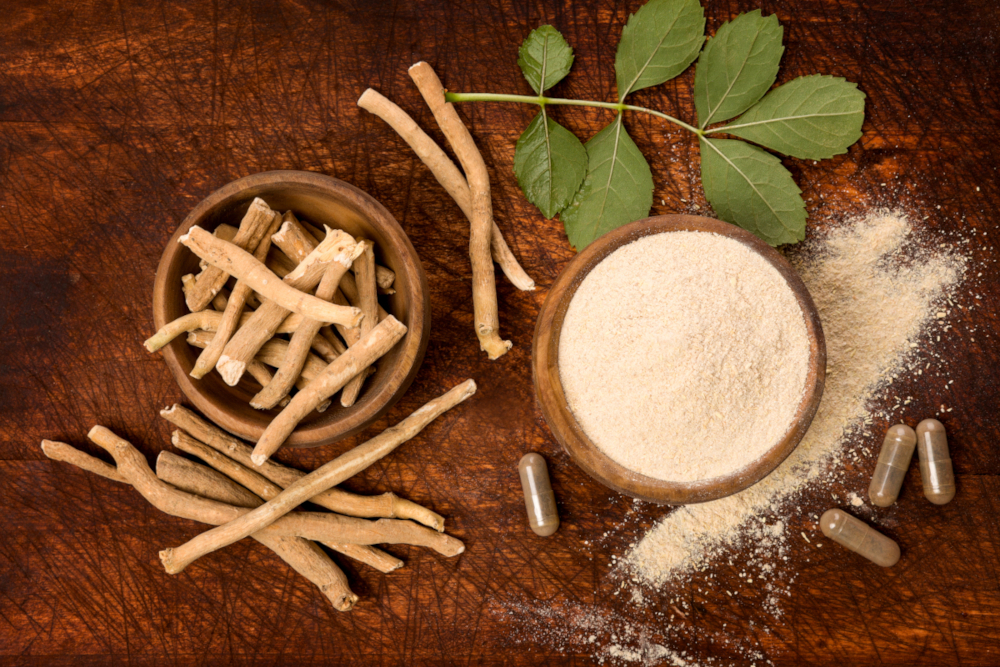
Figure 1: Traditional medicinal plant from India: the nightshade species ashwagandha has long been prized in Ayurveda.
In India, ashwagandha has been an integral part of traditional Ayurvedic medicine for many centuries. Even here at home the nightshade plant has now become very popular. This is due not least to the numerous valuable constituents and the diverse properties of Withania somnifera. In this blog article you will learn more about ashwagandha and also receive helpful information on use and correct dosage as well as contraindications.
What is ashwagandha (Withania somnifera)?

Sleepberry, winter cherry or "Indian ginseng": ashwagandha is known by many names. The original name comes from Sanskrit and means roughly "smell of the horse". The botanical name Withania somnifera is also interesting. The Latin term "somnifera" means "sleep-inducing" (somnus = sleep, ferre = to bring), which already points to one of the main areas of application of ashwagandha, namely sleep disorders.
Ashwagandha thrives mainly in South Asia, North Africa and Southern Europe. It belongs to the nightshade family (Solanaceae), which also includes tomato, potato, belladonna and cayenne pepper. Like Panax ginseng, Rhodiola rosea, maca or the cordyceps mushroom, ashwagandha is also an adaptogen — a plant-derived substance that can help the body adapt to physical or emotional stress and increase stress resilience.
The roots of ashwagandha are particularly sought after because they contain a high proportion of valuable withanolides. These are the best-researched constituents of ashwagandha to date. More than 40 different withanolides have been identified in plants of the genus Withania. The root extract of the Ayurvedic medicinal plant also contains many antioxidants as well as amino acids, fatty acids and iron.
Especially in India the sleepberry is primarily cultivated as a medicinal plant. In addition, it has a wide range of applications in the health and cosmetics sectors. Cosmetic companies like to use ashwagandha in anti-wrinkle products and shampoos due to the plant's reputation for promoting healthy skin and hair. But ointments, oils and extracts as well as teas and energy drinks containing Withania somnifera are also not uncommon.
How does ashwagandha act in the body?
The effects of ashwagandha have been investigated in numerous studies and have been the subject of attempts at validation. Traditionally the plant is used in Ayurveda and folk medicine for complaints such as sleep disorders, stress, weakened immunity, infertility or hair loss. A paper from the Los Angeles College of Chiropractic from 2000 attributes, among other things, sleep-promoting, anxiolytic, stress-reducing, antioxidant and anti-inflammatory effects to ashwagandha. [1] Below you will find an overview of the main areas of application:
Nervous system
In today's performance-focused society many people suffer from stress. The stress hormone cortisol is often chronically elevated, which can harm health and lead to sleep deprivation, inner restlessness, concentration problems or depression. Ashwagandha is said to have a positive effect on the psyche in cases of stress, insomnia and anxiety and to strengthen the nervous system. [2]
In one study, participants were instructed to take 300 mg of ashwagandha root extract twice daily for two months. At the end of the study the participants' cortisol levels were 30% lower than at the start. Subjective stress decreased, as did anxiety and insomnia. [3] In another study a reduction in morning cortisol and an increase in testosterone levels in men following ashwagandha intake were demonstrated. [4]
Cardiovascular system and immune system
Even when lowering blood pressure and blood sugar levels is the goal, the use of Withania somnifera is often recommended. Ashwagandha is also said to counteract heart problems by strengthening the heart muscle. As a medicinal plant, the sleepberry is also considered an effective remedy for susceptibility to infections and weakened immunity.
Thyroid
For someone with an underactive thyroid, which is often associated with fatigue and exhaustion, it may initially seem counterintuitive to take a so‑called "sleepberry". However, if the underactivity is the result of stress-related overload, an adaptogen like ashwagandha can indeed have positive effects. Ideally sleep and general recovery are improved. Whether ashwagandha can also stimulate the production of thyroid hormones is, however, not sufficiently proven scientifically.
Skin and hair
Skin and hair also benefit from the bioactive withanolides, flavonoids, alkaloids and secondary plant compounds contained in ashwagandha. The high concentration of valuable antioxidants can protect skin and hair from free radicals and may also improve the skin's collagen production.
Capsules or powder? How to find the right ashwagandha preparation
There are a wide variety of products on the market that contain ashwagandha, so choosing a particular product can be difficult. Before you decide on a product, you should be aware that the red berries of the plant are usually not used in the manufacture of dietary supplements containing ashwagandha. They taste extremely bitter and, due to their high alkaloid content, can even be toxic to humans in large quantities. Instead, only the leaves, stems and roots of the sleepberry are processed.

Figure 2: The roots of Withania somnifera contain a particularly high proportion of valuable withanolides.
In the highly dosed organic Ashwagandha capsules from Unimedica as well as in our organic ashwagandha root extract capsules with KSM-66® only pure ashwagandha root powder is contained. The two products differ solely in terms of their withanolide content. While our KSM extract is a full‑spectrum extract with a standardised withanolide content of 5%, the withanolide content of the organic ashwagandha capsules can be subject to some variation.
If you are looking for an alternative to taking ashwagandha in capsule form, you might try ashwagandha powder. The Withania somnifera powder can simply be stirred into liquids such as water, smoothies, fruit juice or tea and enjoyed as a drink. In addition, ashwagandha powder is also suitable as a healthy and tasty addition to yoghurt, quark or mueslis. In general, be sure to buy only ashwagandha products in organic quality to avoid possible pesticide contamination.
The correct dosage and administration of ashwagandha
The wide range of available ashwagandha products makes it difficult to give general recommendations on the correct dosage. For ashwagandha powder, however, the usual recommendation is to take 2 g to 4 g twice daily. It is advisable to start with a low dose to find out whether the particular product is well tolerated. If well tolerated and depending on individual needs, the dose can then be gradually increased.
When using ashwagandha capsules, care should be taken to ensure that a daily dose of 8 mg to 30 mg of withanolides is achieved. It is advisable to always take ashwagandha extract with plenty of liquid and not immediately before or after a meal. If taking ashwagandha in the morning causes daytime drowsiness, the product should preferably be taken in the evening, ideally shortly before going to bed.
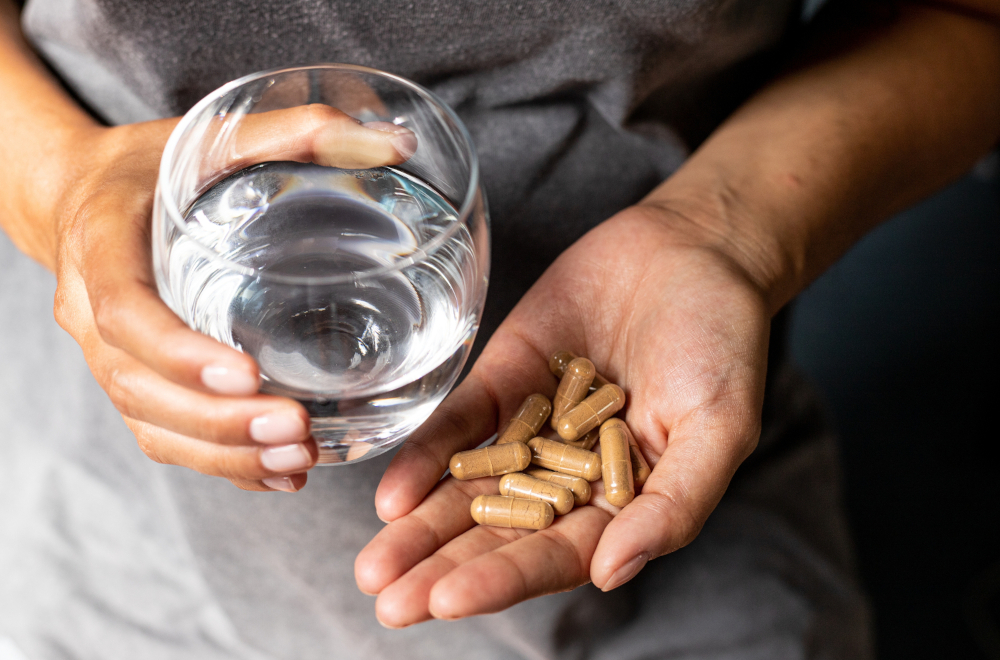
Figure 3: How well ashwagandha preparations are tolerated and how quickly they work can vary greatly from person to person.
But how long does it take for ashwagandha to take effect? This question cannot be answered universally either, as the effects of ashwagandha can vary greatly between individuals. While some people notice effects after just a few days or weeks, it can take significantly longer for others. Consistent and regular intake of the chosen ashwagandha preparation is in any case a prerequisite for benefiting from the possible advantages of the sleepberry.
When should ashwagandha not be taken?
In certain cases and in particular life phases the use of ashwagandha may not be advisable. In particular, if you suffer from conditions such as an overactive thyroid, a hormonal disorder, cardiovascular problems, an autoimmune disease, an anxiety disorder, depression or burnout, the use of dietary supplements containing ashwagandha should definitely be discussed with a doctor beforehand.
Possible side effects
In general Withania somnifera, when taken in recommended amounts, is considered to have few side effects. In sensitive individuals, however, taking it can occasionally lead to gastrointestinal complaints such as diarrhoea or constipation. Nausea, vomiting or allergic reactions are also possible. If you notice that you are sensitive to a particular product, you should pause intake or reduce the dose.
Interactions
If you are taking other medications at the same time, the use of capsules or powder containing ashwagandha should only take place after consulting a doctor. Although this has not yet been confirmed, there is a suspicion that interactions may occur when ashwagandha preparations are taken concurrently with certain medications.
For example, in combination with blood pressure‑lowering drugs ashwagandha can cause blood pressure to fall too much. The same applies to blood sugar levels in diabetics. Thyroid values and the effect of thyroid medications can also be influenced by ashwagandha. Furthermore, alcohol, anxiolytic medications or barbiturates should not be taken together with the sleepberry.
Pregnancy and breastfeeding
With regard to the safety of using ashwagandha during pregnancy and breastfeeding, the data situation is currently still insufficient and unreliable. In traditional medicine ashwagandha has, however, also been used as an abortifacient. To avoid potentially endangering the unborn child, it is therefore advisable to refrain from taking the sleepberry during pregnancy and breastfeeding.
Sources:
[1] Mishra LC, Singh BB, Dagenais S. (2000): Scientific basis for the therapeutic use of Withania somnifera (ashwagandha): a review. Altern Med Rev., accessed 03.02.2024: https://pubmed.ncbi.nlm.nih.gov/10956379/
[2] J. Salve et al. (2019): Adaptogenic and anxiolytic effects of ashwagandha root extract in healthy adults: A double-blind, randomized, placebo-controlled clinical study, accessed 04.02.2024: https://www.ncbi.nlm.nih.gov/pmc/articles/PMC6979308/
[3] K. Chandrasekhar et al. (2012): A prospective, randomized double-blind, placebo-controlled study of safety and efficacy of a high-concentration full-spectrum extract of ashwagandha root in reducing stress and anxiety in adults, accessed 03.02.2024: https://pubmed.ncbi.nlm.nih.gov/23439798/
[4] A. L. Lopresti et al. (2019): An investigation into the stress-relieving and pharmacological actions of an ashwagandha (Withania somnifera) extract, accessed 04.02.2024: https://www.ncbi.nlm.nih.gov/pmc/articles/PMC6750292/
Image sources:
https://www.shutterstock.com/image-photo/ashwagandha-superfood-powder-root-on-cutting-1181447482
https://www.shutterstock.com/image-photo/holding-hand-withania-somnifera-plant-known-2232988323

