

Figure 1: Algal oil is especially appreciated as an excellent plant-based source of omega-3 fatty acids by people who follow a vegan or vegetarian diet.
Algal oil contains many of the long-chain omega-3 fatty acids that are also found in fish and krill oil. The vegan oil is widely used by people who do not eat fish or seafood as a dietary supplement to cover their daily omega-3 requirement. In this blog article you will learn what algal oil is and how it is produced. You will also find useful information on its health effects as well as on the correct use and dosage of algal oil.
What is algal oil?
Algal oil is a dietary supplement obtained from microalgae. Typically, the genus Schizochytrium sp. is used for this purpose. This type of microalga is native to mangrove forests on tropical coasts and consists of microscopic single-celled algae. Through sustainable and virtually contaminant-free cultivation of Schizochytrium in closed water tanks (fermenters), the microalga can thrive optimally. For the production of algal oil, the algae are filtered out of the fermentation solution. The valuable oil is then extracted by adding a solvent or by mechanical pressing.
From a health perspective, Schizochytrium sp. scores highly due to its rich content of eicosapentaenoic acid (EPA) and docosahexaenoic acid (DHA). No other food contains these two valuable omega-3 fatty acids in a comparable concentration. As the body cannot synthesise omega-3 fatty acids itself, it is essential to obtain them from the diet. Accordingly, algal oil is primarily used by people who follow a vegan or vegetarian diet to meet their daily omega-3 needs and as a sustainable alternative to fish and fish oil.
Why are marine omega-3 fatty acids considered so healthy?
Besides algae, there are several other plant foods, including linseed (flax), hemp and walnut oils, that contain omega-3 fatty acids. One might therefore assume that consuming these foods is sufficient to cover omega-3 requirements. However, the different forms of omega-3 fatty acids must be considered. Foods such as linseed or hemp seeds and their oils contain the short-chain omega-3 fatty acid alpha-linolenic acid (ALA). ALA is a precursor to EPA and DHA, from which the two active omega-3 forms can be synthesised. However, the conversion rate is on average only about 0.5 to 10%. To ensure adequate omega-3 supply, it is therefore advisable to skip the conversion step and supply EPA and DHA directly instead of ALA.
Main effects and indications for algal oil

Figure 2: The omega-3 fatty acids DHA and EPA in algal oil can, among other things, have positive effects on cardiovascular health and blood lipid levels.
In terms of efficacy, algal oil need not be inferior to animal sources for meeting omega-3 requirements such as fish or krill oil. Several studies have shown that the bioavailability of the omega-3 fatty acids in algal oil is equivalent to or even exceeds that of fish and fish oil. [1] The omega-3 fatty acids DHA and EPA contained in algal oil can have positive effects on the health of the heart, eyes, joints and brain. Below you will find a selection of the most common indications for algal oil:
Cardiovascular health
A diet containing omega-3 fatty acids can have a very positive effect on the cardiovascular system. [2] These valuable fatty acids reduce total and LDL cholesterol concentrations and help regulate blood lipid levels. They also improve the flow properties of the blood and thus act preventively against deposits in the blood vessels. The intake of algal oil and other foods high in omega-3 can reduce the risk of arrhythmias, heart attacks and strokes. Both EPA and DHA contribute to normal heart function at a daily intake of as little as 0.25 g.
Blood lipid levels
A high triglyceride level can favour the development of many cardiovascular diseases. If elevated blood lipid levels are present, it may be sensible to reduce the intake of saturated fatty acids and instead consume more polyunsaturated fatty acids such as omega-3 fatty acids. An intake of 4 g of omega-3 fatty acids can noticeably lower triglyceride levels. [3] To support a normal triglyceride level in the blood, the EFSA (European Food Safety Authority) recommends a daily dose of at least 2 g EPA/DHA.
Chronic inflammation
People suffering from chronic inflammatory conditions such as rheumatoid arthritis can particularly benefit from algal oil. The anti-inflammatory properties of the long-chain omega-3 fatty acids reduce inflammation and thereby alleviate symptoms.
This was demonstrated, among other things, in a study involving 32 people with rheumatoid arthritis. [4] As an adjunct to therapy, the participants consumed foods such as sausages, spreads or milk powder enriched with oil from the microalga Schizochytrium for ten weeks. After the ten weeks, the participants felt significantly better. Joint pain and swelling as well as inflammatory markers in the blood had decreased following the intake of algal oil.
Cognitive performance
Algal oil protects not only the heart but also the brain. To understand the connection, it is helpful to be aware that approximately 30% of the structure of the brain consists of the omega-3 fatty acid DHA. Thus DHA is an essential building block of brain structure and makes an important contribution to its function. As shown, among others, in a study in the European Journal of Clinical Nutrition, omega-3 fatty acids can improve cognitive performance and help prevent concentration difficulties. [5]
What to look for when buying an algal oil product
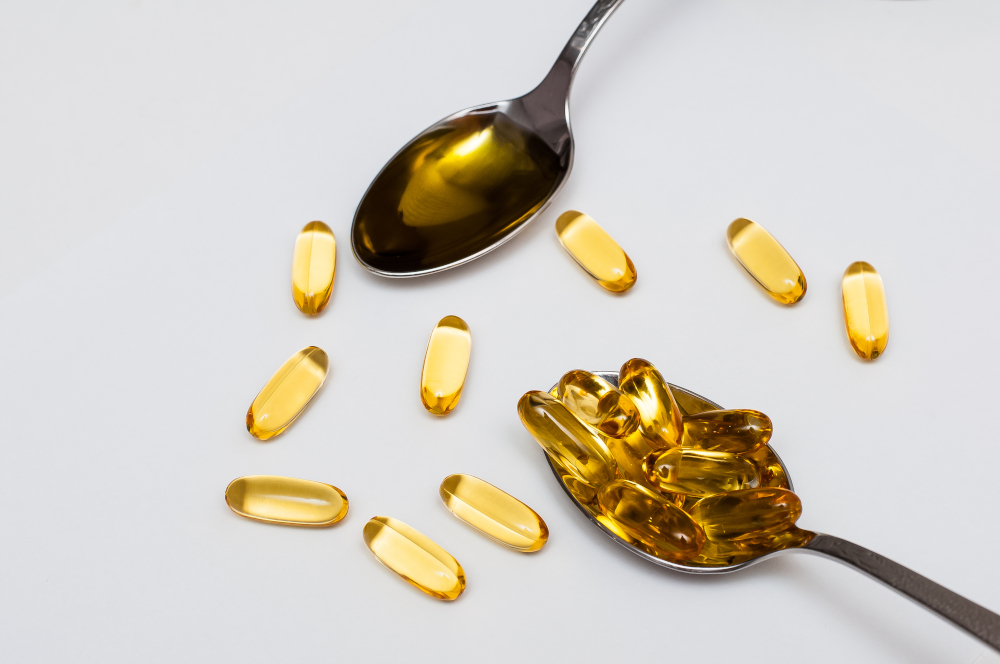
Figure 3: When selecting a dietary supplement containing algal oil, attention should be paid not only to the manufacturing process but also to oxidation values and the DHA/EPA content.
Algal oil is available as dietary supplements in capsule and drop form, as well as in oil form. To choose a high-quality and as environmentally friendly a product as possible, you should pay particular attention to several aspects when buying. First, it is advisable to check in which biological form the omega-3 fatty acids are present. The vegan Omega-3 algal oil capsules from Unimedica contain a high proportion of essential fatty acids in triglyceride form (TG). As these are omega-3 fatty acids in their natural form, the preparation is highly bioavailable.
Due to the susceptibility of omega-3 oils to oxidation, low oxidation values are another important quality criterion. Also ensure that the product you choose has been produced in an environmentally friendly way and cleaned of contaminants and heavy metals. Reputable manufacturers provide the relevant analyses on their websites or on request. Those who live vegan or vegetarian should also make sure that the shell of algal oil capsules is not made of gelatine but of a plant-based substance.
In addition, it is worthwhile to look not only at the total amount of algal oil but also at the content of DHA and EPA. The vegan Omega-3 algal oil drops from Unimedica contain approximately 600 mg DHA and 300 mg EPA. The citrus flavour of the product provides a pleasant taste experience.
Correct intake, dosage and storage of algal oil
For optimal bioavailability and digestibility, omega-3 fatty acids should always be taken with a meal. While algal oil capsules can simply be swallowed with sufficient fluid, there are numerous ways to use algal oil. You can mix the oil into dressings, muesli, spreads, dips or smoothies, for example. Heat-sensitive algal oil should not be used for cooking or frying and should be stored in the refrigerator after opening.
The appropriate dosage depends, among other things, on the purpose of intake and on possible pre-existing conditions. In chronic conditions, a higher dose may be required, but this should only be taken following medical consultation. To cover the daily requirement of omega-3 fatty acids, a DHA/EPA dose of at least 250 mg is recommended for healthy adults.
Who should not take algal oil?
The intake of algal oil is generally considered well tolerated and safe. Omega-3 products with a recommended intake of up to 5 grams of EPA and DHA are also considered safe by the European Food Safety Authority (EFSA). Only people taking anticoagulant medications such as aspirin (ASA), and people with diabetes, should avoid algal oil or in any case discuss its use with their doctor. In high doses, algal oil can alter the flow properties of the blood and increase the risk of bleeding. In people with diabetes, taking algal oil may potentially make blood glucose control more difficult.
Side effects from taking algal oil are rare. If you do experience unpleasant symptoms such as stomach upset or belching, it may help to initially reduce the dose and observe whether the symptoms improve.
Sources:
[1] Arterburn LM, Oken HA, Bailey Hall E, Hamersley J, Kuratko CN, Hoffman JP. Algal-oil capsules and cooked salmon: nutritionally equivalent sources of docosahexaenoic acid. J Am Diet Assoc. 2008 Jul; Ryan L, Symington AM. Algal-oil supplements are a viable alternative to fish-oil supplements in terms of docosahexaenoic acid (22:6n-3; DHA). Journal of Functional Foods, Volume 19, Part B. 2015 Dec.
[2] Hu Y, Hu FB, Manson JE. Marine Omega-3 Supplementation and Cardiovascular Disease: An Updated Meta-Analysis of 13 Randomized Controlled Trials Involving 127 477 Participants. J Am Heart Assoc. 2019 Oct.
[3] Leaf D, Hatcher L. The effect of lean fish consumption on triglyceride levels. The Physician and Sportsmedicine 2009. https://pubmed.ncbi.nlm.nih.gov/20048486/ (accessed: 15.05.2024)
[4] Erdös, Adam Karl, and Schalow, Sebastian. Final report BMBF collaborative project: Allipids - A series of preventive foods based on health-promoting lipids. Institute for Agricultural and Urban Ecological Projects at Humboldt University of Berlin (IASP). 2014.
[5] Brenna J. T, Saleem Jr. N, Sinclairc A. J, Cunnane S. C. Plefa. α-Linolenic acid supplementation and conversion to n-3 long-chain polyunsaturated fatty acids in humans. 2009. https://www.plefa.com/article/S0952-3278(09)00016-7/abstract (accessed: 15.05.2024)
Photos: Shutterstock: haspil, LeManna, Yauhen Stayanovich

