

Figure 1: Fish oil is regarded as valuable above all because of the omega‑3 fatty acids EPA and DHA it contains. Many people opt for supplementation to support their heart health.
As a valuable source of essential omega‑3 fatty acids, fish oil rightly attracts a lot of attention. To ensure an adequate supply of EPA and DHA, to support heart health or to treat inflammatory conditions, many people choose to use fish oil preparations. This article provides further information on the uses of fish oil. You will also learn how fish oil differs from krill and algal oil, which fish species are particularly rich in fish oil, and what side effects may occur when taking fish oil.
What is fish oil and why is it considered healthy?
It is no surprise that global demand for fish oil is steadily increasing: the oil obtained by drying and pressing fish can have many positive effects on health. This is mainly due to the polyunsaturated fatty acids, especially eicosapentaenoic acid (EPA) and docosahexaenoic acid (DHA). Essential fatty acids are vital for humans. However, because the body cannot produce them itself, they must be supplied through the diet.
Fatty fish species such as mackerel, herring, salmon or sardines contain abundant fish oil. The pale yellow, practically water‑insoluble liquid contains, in addition to EPA and DHA, triglycerides. Incidentally, most fish species are not able to synthesise unsaturated fatty acids themselves either. Instead, omega‑3 fatty acids are produced by certain microalgae and are added as part of an appropriate fish diet. Due to the large fish stocks in coastal regions, especially Peru and Chile are among the world’s leading producers of fish oil.
Fish oil, krill oil and algal oil: what is the difference?
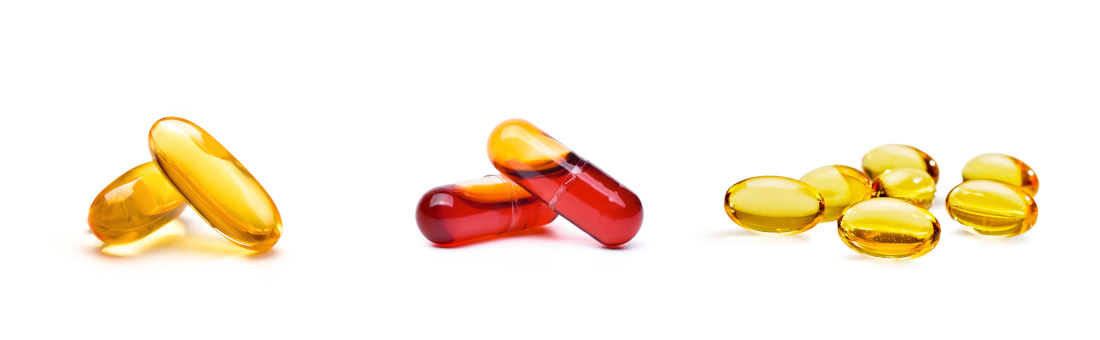
Figure 2: Fish oil as well as krill and algal oil are suitable for covering the daily requirement of omega‑3 fatty acids.
Not only fish oil is becoming increasingly popular as a dietary supplement: krill oil and algal oil are also frequently mentioned as alternatives for omega‑3 supplementation. But what unites and distinguishes the three oils? The most important common feature is that fish oil, krill oil and algal oil are all excellent for meeting omega‑3 fatty acid requirements. While the fatty acids in fish oil occur as triglycerides, they are bound to so‑called phospholipids in krill oil. The reddish oil is produced from krill, a type of small shrimp. The EPA and DHA in krill oil can, unlike those in fish oil, mix with water, which is why the compounds from krill oil can be very well absorbed and utilised by the body.
For people who follow a vegan diet or who cannot tolerate fish and seafood, algal oil is an excellent alternative. After all, as mentioned earlier, algae are the original source of the omega‑3 fatty acids found in fish. In the kitchen, algal oil can be used in many ways, for example as an ingredient in dressings and marinades.
Which fish species contain particularly high amounts of fish oil?
The German Nutrition Society (DGE) recommends eating one to two portions of fish per week. [1] One portion corresponds to 70 g of a fatty sea fish such as salmon, mackerel or herring. In Germany, however, this amount is reached by only a few. According to the National Consumption Study II [2], the average consumption of fish, fish products and crustaceans was only 105 g per week for men and 91 g for women. 16% of Germans do not consume any fish at all. In general, omega‑3 fatty acids are found mainly in fatty, marine cold‑water fish. Fish species with a particularly high omega‑3 fatty acid content include:
- Salmon
- Trout
- Herring
- Sardines
- Anchovies
- Sprats
- Mackerel
- Sea bass
- Sea bream
- Tuna
Health effects and indications for use of fish oil
Omega‑3 fatty acids are required throughout the body and perform many vital functions. Among other things, they are involved in hormone production, the regulation of blood lipid levels, protein synthesis and cell metabolism. Omega‑3 fatty acids act antithrombotically, triglyceride‑lowering, anti‑atherogenic (to prevent atherosclerosis), antihypertensive, antiarrhythmic, anti‑inflammatory, immunomodulatory and anti‑catabolic (counteracting muscle breakdown). Because of the diverse mechanisms of action, it is not possible to list all the health benefits of fish oil here. Below you will therefore find a selection of the most important indications:
Heart health
Many people primarily associate fish oil and omega‑3 fatty acids with heart health. Fish oil is said to protect against cardiovascular diseases. For the maintenance of normal heart function and to prevent coronary heart disease, the DGE recommends an intake of 250 mg EPA and DHA per day.
In a randomised, controlled double‑blind study, some participants received 2 g per day of an EPA derivative while a placebo group received 2 g per day of a mineral oil preparation. After an average follow‑up of 4.9 years, 17.2% of the EPA derivative group and 22% of the placebo group had experienced an adverse cardiovascular event (e.g. cardiovascular death, heart attack, stroke). [3] This corresponds to a significant relative risk reduction of 25% in the direct comparison. In another study conducted in Shanghai, supplementation with omega‑3 fatty acids was associated with a 70% reduction in heart attack risk. [4]
Blood pressure and blood lipid levels
Fish oil’s touted positive effects on heart function and the cardiovascular system are not least due to the triglyceride‑lowering properties of omega‑3 fatty acids. Triglycerides are organic compounds made up of three fats and glycerol and represent an important energy source for the human body. However, if the total amount of triglycerides is too high, serious diseases, including many cardiovascular conditions, can develop. A daily dose of at least 4 g of omega‑3 fatty acids can effectively support the reduction of serum triglycerides. [5]
A reduction in blood pressure is also possible through the intake of fish oil or omega‑3 fatty acids. As a meta‑analysis of 36 randomised trials showed, high doses of fish oil (usually 3.6 g omega‑3 fatty acids per day) can lower blood pressure by 2.1/1.6 mm Hg. [6]
Protection against atherosclerosis
When deposits in the vessel walls narrow the vessels and lead to chronic inflammation, this is called atherosclerosis or vascular calcification. The impaired or completely blocked blood flow often triggers a heart attack or stroke.
In a study by the Institute for Prevention and Epidemiology of Cardiovascular Diseases at LMU Munich [7], substances contained in fish oil were able to reduce atherosclerosis in a mouse model. In this context, the anti‑inflammatory lipid mediators Maresin 1 and Resolvin D2, which are formed from essential omega‑3 fatty acids, are crucial. By influencing the phagocytic cells of the immune system in a specific way and promoting anti‑inflammatory effects, these substances can contribute to an improvement in atherosclerosis.
Brain function
The DHA and EPA contained in fish oil are essential for normal brain function. Both substances can increase concentration and help prevent age‑related memory loss. In particular, DHA is often associated with improved memory performance and learning ability. Conversely, a deficiency of EPA and DHA can be accompanied by memory loss, concentration problems and mood swings. A meta‑analysis also showed that the intake of polyunsaturated omega‑3 fatty acids can have a positive effect in depression. [8]
How to find a suitable fish oil supplement

Figure 3: Fish oil preparations are usually taken as fish oil capsules or as liquid fish oil from a bottle.
Highly processed foods, which are widely consumed today, often contain only small amounts of omega‑3 fatty acids. Many people therefore choose an appropriate dietary supplement. Fish oil preparations are usually taken in the form of fish oil capsules or liquid fish oil from a bottle. However, before you choose a fish oil product, you should definitely check a few aspects.
First of all, it is important to pay attention to the EPA/DHA content of the preparation. At least 250 mg EPA and DHA per daily dose is a good guideline to meet the needs of an average healthy adult. Because omega‑3 oils are sensitive to oxidation, oxidation values should be low, as is the case with the Omega 3 Premium capsules from Unimedica. The product contains fish oil in its pure, natural form and, thanks to its pleasant lemon flavour, is also suitable for people who generally find the taste of fish oil unpleasant.
Furthermore, the origin of the fish oil is a decisive quality feature. The fish oil in the Omega‑3 fish oil capsules with vitamin E from Unimedica come from sustainable fishing. As with many fish oil preparations, this product has been supplemented with vitamin E. As an antioxidant, vitamin E protects the two fatty acids DHA and EPA from oxidation and thus extends shelf life.
Notes on the proper intake of fish oil
Dietary supplements containing omega‑3 fatty acids should generally not be taken on an empty stomach. Instead, it is advisable to take them with a meal so that the nutrients can be absorbed by the body as effectively as possible. The time of day at which fish oil capsules are taken does not matter, although many people report starting the day feeling more energetic when taken in the morning.
Fish oil can be taken neat or mixed into foods such as natural yoghurt or salads. Do not use fish oil for cooking or frying, as the valuable omega‑3 fatty acids are destroyed by heat.
Side effects and contraindications of fish oil
As a rule, fish oil preparations such as fish oil capsules or liquid fish oil are well tolerated at the recommended intake levels. However, occasional unwanted side effects such as stomach upset, nausea, vomiting or belching with a fishy aftertaste may occur.
An overdose of fish oil can also increase the risk of bleeding. In particular, people taking anticoagulant or antiplatelet medications should only take fish oil preparations after consulting a doctor. Fish oil should be avoided in severe diseases of the liver, gallbladder or pancreas, in disorders of fat digestion and, of course, in cases of allergy to fish or seafood.
Sources:
[1] DGE (2016): Regelmäßig Fisch auf den Tisch! https://www.dge.de/fileadmin/dok/presse/meldungen/2011-2018/DGE-Pressemeldung-aktuell-0916-Fisch.pdf (accessed: 12.05.2024)
[2] Max Rubner‑Institut (2008b): Nationale Verzehrsstudie II. Ergebnisbericht, Teil 2, Karlsruhe: Max‑Rubner‑Institut, Institut für Ernährungsverhalten.
[3] D. Bhatt et al. Cardiovascular Risk Reduction with Icosapent Ethyl for Hypertriglyceridemia. 2018.
[4] Yuan JM, Ross RK, Gao YT, Yu MC. Fish and shellfish consumption in relation to death from myocardial infarction among men in Shanghai, China. Am J Epidemiol. 2001. https://pubmed.ncbi.nlm.nih.gov/11682363/ (accessed: 14.05.2024)
[5] Leaf D, Hatcher L. The effect of lean fish consumption on triglyceride levels. The Physician and Sportsmedicine 2009. https://pubmed.ncbi.nlm.nih.gov/20048486/ (accessed: 14.05.2024)
[6] Din JN, Newby DE, Flapan AD. Omega 3 fatty acids and cardiovascular disease—fishing for a natural treatment. BMJ. 2004. https://pubmed.ncbi.nlm.nih.gov/14703544/ (accessed: 14.05.2024)
[7] Oliver Soehnlein et al. Resolving Lipid Mediators Maresin 1 and Resolvin D2 Prevent Atheroprogression in Mice. Circulation Research. 2016.
[8] Liao Y, Xie B, Zhang H, He Q, Guo L, Subramanieapillai M, Fan B, Lu C, McIntyre RS. Efficacy of omega‑3 PUFAs in depression: A meta‑analysis. Transl Psychiatry. 2019. https://www.ncbi.nlm.nih.gov/pmc/articles/PMC6683166/ (accessed: 14.05.2024)
Figure 1: nuchyleephoto/vecteezy.com ; Figure 2.1: F16‑ISO100/shutterstock.com ; Figure 2.2: Photoongraphy/shutterstock.com ; Figure 2.3: Mariyana M/shutterstock.com ; Figure 3: Kyttan/shutterstock.com

