

The microbiome is a fascinating ecosystem that lives with, on and in our bodies. Trillions of bacteria, viruses, fungi and other microbes throng our gut, on our skin, in our airways and even in our eyes. These tiny microbes play a crucial role in our health.
There are very likely more microorganisms on and in the body than human cells, and in an adult that amounts to several trillion – in the double-digit trillions. On average we carry around three kilograms of microorganisms with us, about two kilograms of which are in the gut. These tiny superheroes perform vital functions in the body. Here are the key facts at a glance:
1. Microbiome diversity is good for health
The human microbiome consists of a variety of bacteria, viruses, fungi and other microorganisms. The diversity of these microbes is crucial for health, as a diverse microbiome is generally healthier and better able to protect against disease. Scientists estimate that roughly 1,000 different fungi and more than 10,000 bacterial species live in and on humans. While many of us primarily associate the intestinal microbiome with gut bacteria, evidence is increasing that viruses dominate the interior of the human gut and perform essential roles for our health there. [1] The human virome – the sum of the different viruses that live in us – is even estimated at an astonishing 380 trillion. [2]
2. The microbiome is as individual as the person
Every person has a unique microbiome; one can indeed speak of a microbial fingerprint. The microbiome develops intensively immediately after birth and during the first years of life and remains with us into old age. Our microbiome is influenced not only by our diet but also by our genes, various environmental factors and our lifestyle. People who maintain social relationships and are physically active apparently have greater microbial diversity. [3]
3. The gut–brain axis influences our behaviour
There is a close connection between the gut and the brain, known as the gut–brain axis. Some scientists now also speak of the microbiome–gut–brain axis. Above all – but not only – the composition of the microbiome in our gut plays an important role in our mental health. It can influence not only bodily functions but also our emotional state and behaviour. So‑called psychobiotics consist of probiotic bacterial strains that, due to their specific effects on the gut flora, can positively influence emotional wellbeing. [4]
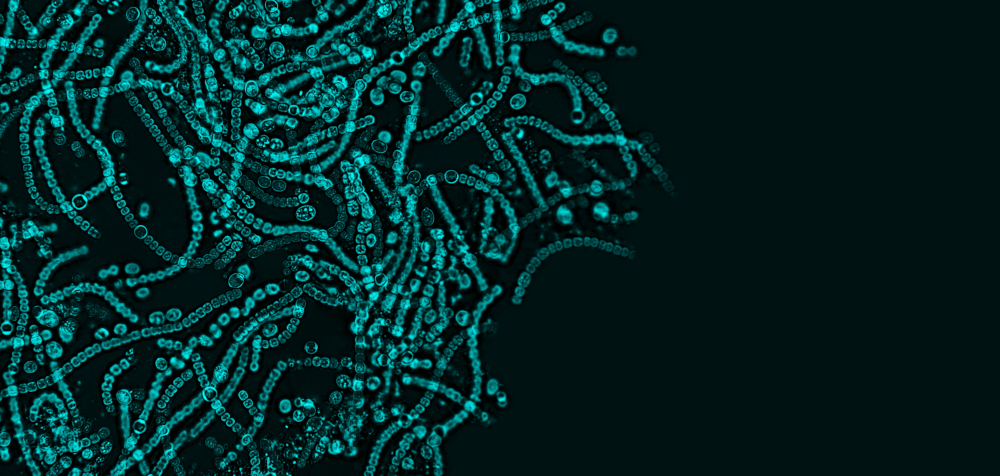
Lactobacillus is an effective probiotic to support gut health.
4. Microbes strengthen the immune system
The microbiome plays a decisive role in strengthening the immune system. It helps fend off pathogens and regulate inflammation. Links between the microbiome and inflammatory and autoimmune diseases are well documented. [5] A healthy, high‑performing immune system involves not only the gut flora inside the body. The skin microbiome, for example, can also play a central role in the development of chronic skin diseases. A holistic approach is needed here – our health comes from the inside and the outside.
5. You are what you eat
 A healthy and varied microbiome is important for efficient digestion and the absorption of nutrients. Nothing works here without the appropriate microbes. A few examples:
Streptococcus thermophilus helps break down lactose, making it easier to digest. It also produces B vitamins and stimulates lactic acid production for healthy gut function.
Lactobacillus supports digestion and promotes a balanced gut flora. Some strains of Lactobacillus have immunomodulatory properties and can help strengthen the immune system.
Bifidobacterium is found in the colon and plays a key role in the digestion of dietary fibre and in the production of short‑chain fatty acids. Bifidobacteria can help reduce inflammation and regulate the immune system.
6. Dysbiosis causes illness
Dysbiosis refers to an imbalance in the composition of the microbiome. This can lead to a wide range of health problems, depending on an individual's constitution. Gastrointestinal disorders, allergic reactions, obesity and even mental illnesses can be traced back to an imbalanced colonisation of the gut. [6] Healthy bacteria such as lactobacilli and bifidobacteria not only promote an optimal environment for the absorption of vital nutrients but also suppress pathogenic microbes. If dysbiosis persists over a long period, the intestinal mucosa can even change and become permeable to harmful substances.
7. We can do something for a healthy microbiome
The composition of the microbiome can be negatively affected by poor diet, medications, stress, psychosocial factors and an unhealthy lifestyle. We interact closely with our environment and would do well to promote positive factors. A healthy diet with fruit, vegetables, fermented foods and prebiotics is a first step in the right direction. Adequate exercise and avoiding unnecessary antibiotic use are also good measures to promote a healthy microbiome. If you want to change the gut flora deliberately, probiotics can be helpful.
Our understanding of our microbiome and its role for us and our environment is an exciting, dynamic field of research. It is becoming increasingly clear how important a balanced microbiome is for our wellbeing. You can use this knowledge to support your health.
Image sources:
https://www.shutterstock.com/image-photo/female-make-shape-heart-her-hands-1487047748

