
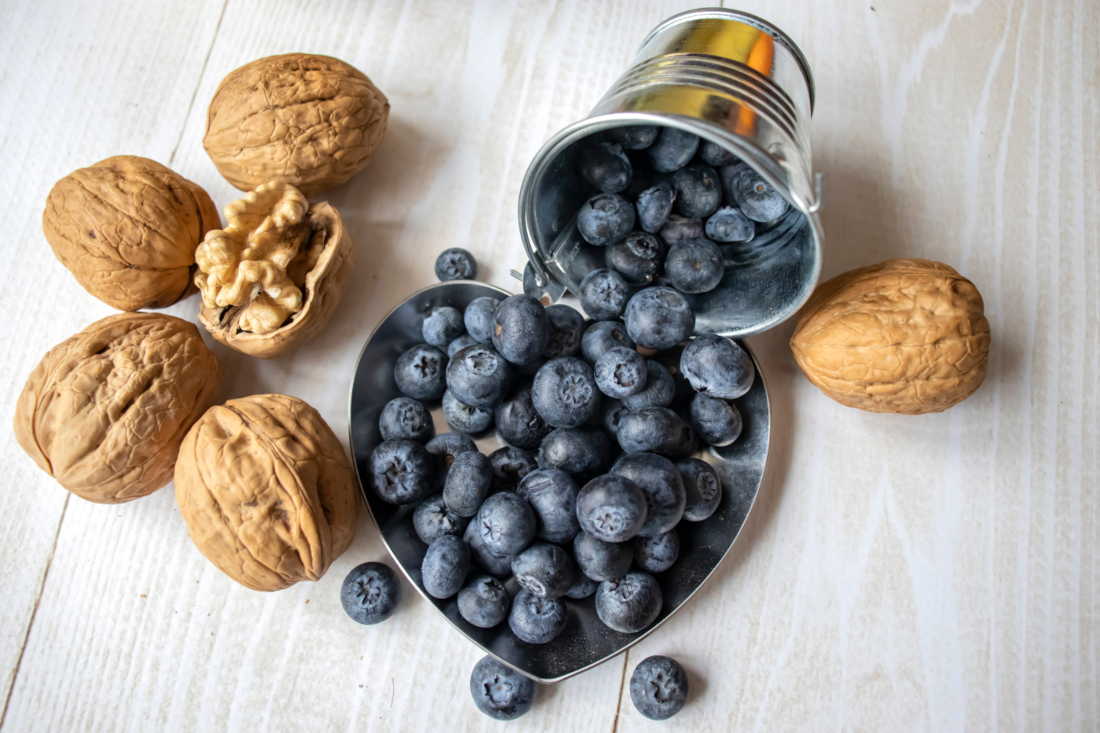
Hormones have a major influence on our health – metabolism, fertility, electrolytes and circulation, the immune system and stress levels are all regulated by these highly complex messengers. With the right foods we can provide our bodies with all the vital nutrients they need for a balanced hormonal system. You should eat these five foods regularly:
1. Walnuts
That walnuts improve brain function and boost our concentration is now widely known. That this native super-nut can also do a lot for our hormonal balance is less well known. In addition to omega-3 fatty acids and polyphenols, walnuts also contain the amino acid tryptophan, which the body needs to produce the sleep hormone melatonin. Omega-3 fatty acids and polyphenols in turn combat free radicals and protect not only important brain function but also the cardiovascular system. Thirty grams of walnuts a day – that’s between five and eight kernels – are good for the hormonal balance.
2. Berries
Berries such as raspberries, blackberries and blueberries are full of antioxidants. They stimulate the burning of belly fat and help to stabilise blood sugar levels. This low‑carb fruit makes an important contribution to reducing insulin resistance in people with type 2 diabetes. Dark berries also contain natural oestrogen and progesterone, which can be particularly helpful for women in the menopause to support hormonal balance. Berries are low in calories and may be eaten plentifully.
3. Linseeds
Linseeds are an excellent source of dietary fibre and omega-3 fatty acids. They contain lignans, plant hormones with mildly oestrogen-like effects. These secondary plant compounds can help to balance hormonal fluctuations in the body. Whether used as a flour substitute, in a breakfast porridge or as a salad topping – linseeds help to regulate oestrogen levels in the body, particularly in women during the menopause. The valuable fibre in these healthy seeds swells in the digestive tract and stimulates bowel function. Up to two tablespoons daily are sufficient. Because the seeds swell, you should always drink plenty of fluids when consuming linseed products.
4. Broccoli
Broccoli and other vegetables from the cruciferous family – this includes all cabbages, radishes and sharp‑tasting leafy vegetables such as winter cress, rocket or mustard – contain the biochemical compound indole‑3‑carbinol, which supports hormone metabolism. In the body, indole‑3‑carbinol is broken down into diindolylmethane (DIM), known as a powerful antioxidant that protects against cellular damage. It is involved in the regulation of oestrogen levels and is thought to be able to reduce the risk of hormone‑related cancers of the prostate and breasts.
5. Fermented vegetables
Fermented vegetables are also rich in amino acids, particularly tryptophan. The essential amino acid tryptophan is converted in the body into serotonin. Serotonin is one of the most important hormones for a balanced sleep–wake cycle and is also known as the 'feel‑good hormone'. The probiotic bacteria in fermented vegetables promote gut health and thus digestion. A healthy gut is crucial for the absorption of many nutrients, including those required for the smooth functioning of our hormonal system. Fermented vegetables can happily be part of the daily menu. Those with histamine intolerance should initially consume only small amounts (1–2 teaspoons).
Tip: The liver also plays an important role in our hormonal balance. If the liver is overloaded and cannot detoxify properly, hormones cannot be broken down and the whole system gets out of balance. Sugar, alcohol, trans fats and coffee are among the foods that one, and especially women, should consider cutting down on from time to time.
Conclusion: A balanced, liver‑friendly diet and a healthy lifestyle with plenty of exercise, free time and as little harmful stress as possible are key to hormonal balance.
Image source:
https://www.shutterstock.com/image-photo/beautiful-berries-nuts-on-light-wooden-2124979391

