|
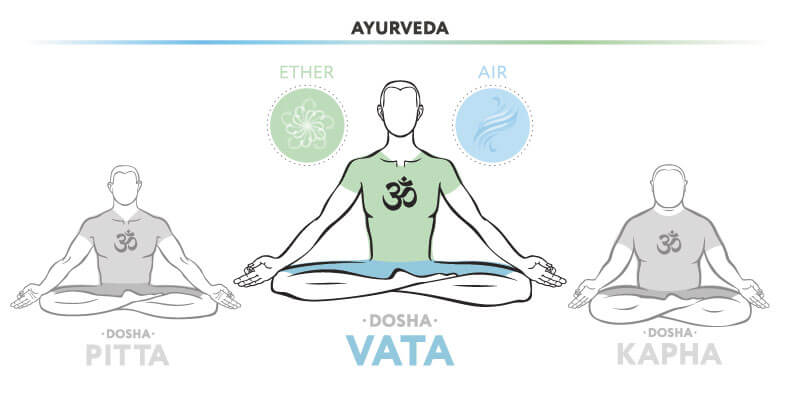
The Vata-Dosha is one of the three fundamental energies (Vata, Kapha and Pitta) that, according to Ayurvedic teaching, govern our body and mind. The correct balance of the Vata-Dosha is crucial for our well-being and health. In this article you will learn what the Vata-Dosha exactly is, why it is so important for our health and how you can better understand, balance and optimise your Vata constitution. Definition of Vata-Dosha: The Vata-Dosha represents the principles of movement and communication and is symbolised by the elements ether (space) and air. Vata is responsible for various bodily functions such as breathing, circulation, nerve impulses and even our thoughts and emotions. A balanced Vata-Dosha supports vitality, creativity and mental clarity. Importance of balancing Vata: A good balance of the Vata-Dosha is essential for our physical and mental health. An imbalance can lead to a variety of complaints, such as digestive problems, sleep disorders and joint pain. According to a study, the application of Ayurvedic principles, including the balancing of the doshas, can help improve people's overall health status and well-being. With a comprehensive understanding of the Vata-Dosha and practical guidance for implementation, you can improve your well-being and health. By addressing your individual needs and integrating Ayurvedic principles into your daily life, you will be able to make the most of your Vata constitution. Fundamentals of the Vata DoshaTo better understand the Vata-Dosha, it is important to know its qualities, functions and the various factors that influence it. In this section we will cover the basic aspects of Vata to give you a solid understanding of this vital energy. Characteristics of VataThe five Vata subtypes (Prana, Udana, Samana, Apana, Vyana): Vata is divided into five subtypes, each of which has different functions in the body. Prana is responsible for breathing and the flow of energy, Udana controls speech and expression, Samana regulates digestion, Apana is responsible for elimination, and Vyana supports circulation and movement throughout the body. Vata qualities: Vata is described by six main qualities: cold, light, dry, rough, subtle and mobile. These qualities influence the way Vata acts and manifests in the body. They are crucial for understanding how Vata functions can be strengthened or weakened. Vata functions: Vata is responsible for various important bodily functions, such as movement, communication, creativity and thinking. A balanced Vata-Dosha ensures vitality, mental clarity and a pronounced sense of inspiration and ideas. Factors that influence VataSeasons and climate: Vata is increased by colder temperatures, dry air and wind. Therefore, Vata tends to be higher in autumn and winter. In these seasons you should pay special attention to your Vata balance. Overall, a balanced Vata-Dosha is essential for your physical and mental well-being. Knowing the characteristics and functions of Vata as well as the factors that influence it will help you better understand your Vata constitution and take steps to optimise your Vata balance. Vata-balancing nutritionA balanced diet is crucial to keep your Vata-Dosha in balance and support your physical and mental health. The following food principles, recipes and recommendations are specifically tailored to the needs of Vata.
By following these dietary recommendations and addressing the needs of your Vata constitution, you can help create a harmonious balance between body and mind and promote your overall health and well-being. Vata-balancing lifestyleA balanced lifestyle is as important for the Vata type as an appropriate diet. Here are some tips on how to structure your daily life to bring your Vata-Dosha into balance: Vata-friendly routineMorning routine: Start the day with a calming morning routine to balance Vata. This can include meditation, gentle yoga exercises, drinking warm water with lemon and nourishing body care. Day routine: Make sure to include regular meals, adequate fluid intake and breaks for relaxation and stress reduction in your daily routine. Plan your activities in advance to avoid rush and spontaneous decisions. Evening routine: Allow yourself time in the evening for relaxation and reflection. Write in a journal, read a book or enjoy quiet music to calm your mind and soothe Vata. Bedtime: Vata types benefit from a fixed bedtime and at least seven to eight hours of restorative sleep per night. Create a quiet and relaxing sleep environment by avoiding electronic devices and using essential oils such as lavender or chamomile. Physical activity and VataRecommended exercises for Vata: Gentle, grounding activities such as walks in nature, Tai Chi or slow cycling are particularly suitable for Vata types, as they reduce stress and promote inner balance. Yoga asanas for balancing Vata: Yoga asanas such as Mountain Pose (Tadasana), Tree Pose (Vrkshasana) and Warrior II (Virabhadrasana II) are especially beneficial for Vata as they strengthen and ground the body. Breathing techniques and meditation for Vata: Pranayama techniques such as alternate nostril breathing (Nadi Shodhana) or bee breath (Bhramari) help calm Vata and focus the mind. Combine these breathing exercises with a regular meditation practice to reduce stress and clear the mind. Self-care and relaxation for VataAyurvedic self-massage (Abhyanga): A daily self-massage with warm sesame or almond oil can calm Vata while nourishing the skin and tissues. This gentle massage promotes circulation, aids detoxification and supports relaxation. Warm baths and Vata care products: Vata types benefit from warm baths that relax and ground the body. Add relaxing bath additives such as lavender or chamomile and use Vata-balancing skincare products based on natural oils and herbs. Relaxation techniques and stress reduction: Vata doshas are prone to stress and should therefore learn techniques to cope with stressful situations. Progressive muscle relaxation, guided meditations and breathing exercises can help reduce stress and calm the mind. By combining a Vata-balancing diet with an adapted lifestyle, you can bring your Vata constitution into balance and improve your physical and mental health. Remember that each person is unique, so it is important to listen to your body and find out which practices and recommendations work best for you. Vata-specific treatments and therapiesAyurvedic treatments for Vata imbalance Panchakarma therapy: Panchakarma is a cleansing therapy aimed at removing toxins from the body and restoring the balance of the doshas. For Vata types, special treatments such as Vasti (herbal enema) and Abhyanga (oil massage) can be helpful to calm and harmonise Vata. Shirodhara: Shirodhara is a relaxing and soothing treatment in which a continuous stream of warm oil is poured onto the forehead. This therapy can help with Vata disturbances such as insomnia, anxiety and nervousness. Nasya: Nasya is a nasal treatment in which medicated oils or herbs are instilled into the nostrils. Nasya can help clear the airways and regulate the Vata-Dosha, particularly Prana Vata, which is responsible for breathing and mental activity. Herbs and supplements for Vata Ashwagandha: Ashwagandha is an adaptogenic herb that strengthens the nervous system and reduces stress. It is particularly beneficial for Vata types as it balances Vata imbalances and promotes energy and vitality. Studies have shown that Ashwagandha can be helpful for anxiety, stress and sleep disorders (source). Brahmi: Brahmi (also known as Bacopa monnieri) is an Ayurvedic herb that soothes the mind and improves mental clarity. Brahmi supports the nervous system and is especially useful for Vata types to relieve stress, anxiety and mental fatigue. It also has scientifically proven cognitive benefits (source). Triphala: Triphala is a herbal mixture of three fruits that supports the digestive system and removes Ama (toxins) from the body. Triphala is particularly beneficial for Vata types as it regulates bowel function and promotes healthy digestion. It also has antioxidant properties that strengthen the immune system (source). The role of pranayama and meditation in Vata Nadi Shodhana Pranayama: Nadi Shodhana, also known as alternate nostril breathing, is a breathing technique that helps balance the two main energy channels (Ida and Pingala) in the body. It calms the nervous system, reduces stress and harmonises Vata. Bhramari Pranayama: Bhramari Pranayama, also known as bee breath, is a breathing technique in which a humming sound is produced on the exhale. This technique helps calm the mind, reduce stress and anxiety and harmonise Vata. Vipassana meditation: Vipassana meditation is a mindfulness-based meditation practice aimed at increasing awareness and self-knowledge. Regular Vipassana meditation can help Vata types achieve inner calm and clarity and balance their Vata qualities. A study has shown that Vipassana meditation can help reduce stress and anxiety (source). Recognising and coping with Vata imbalanceSigns of Vata imbalances Physical symptoms: Physical signs of a Vata imbalance include dry skin, bloating, constipation, weight loss, cold hands and feet as well as irregular menstrual cycles in women. Emotional and mental symptoms: On an emotional and mental level, Vata imbalances can lead to nervousness, anxiety, restlessness, insomnia and lack of concentration. Common Vata disorders Digestive problems: Vata types are prone to digestive disorders such as bloating, constipation and irregular bowel movements. A tailored diet and targeted herbs can help regulate digestion. Sleep disturbances: Insomnia and restless sleep are common Vata complaints. Relaxation techniques and an evening routine can help. Joint and muscle pain: Pain in joints and muscles can indicate a Vata imbalance. Gentle movement and massages can help relieve pain and restore balance. Steps to restore Vata balance Adjusting the diet: To balance Vata, pay attention to a nourishing, warm and easily digestible diet. It is recommended to avoid heavy and cooling foods and instead opt for well-spiced, slightly oily and cooked meals. Lifestyle changes: A regular routine, sufficient sleep, gentle exercise and relaxation techniques can help restore Vata balance. Targeted Ayurvedic treatments and therapies: Depending on the type and severity of the Vata imbalance, targeted Ayurvedic treatments such as Panchakarma, Shirodhara or the use of herbs and supplements like Ashwagandha, Brahmi and Triphala can be helpful. ConclusionTo conclude this article on the Vata constitution and its balancing, we summarise the key points:
Remember that each person is unique and it is crucial to listen to your body and use your own experience to find out which measures work best for you. Individual adaptation and self-observation are essential components of Ayurveda and managing your Vata constitution. Image source: 1689740785 @ shutterstock.com |