
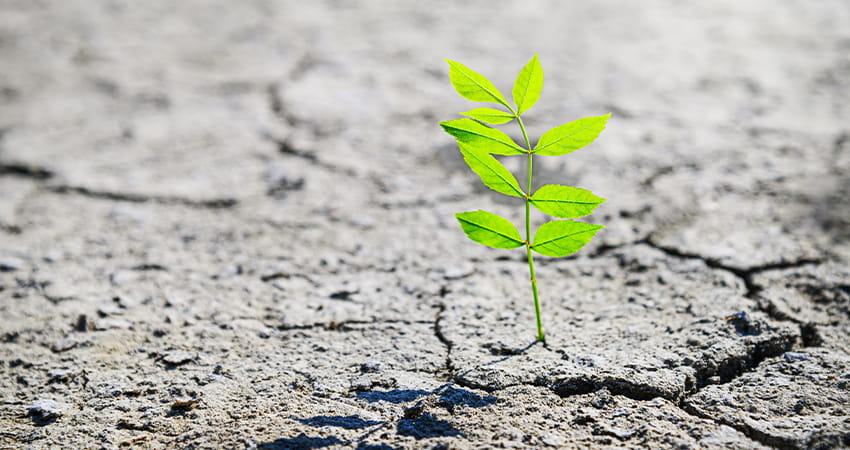
Figure 1: Resilience means staying healthy despite everyday stress and significant strains.
Resilience refers to a person's ability to remain mentally healthy despite adverse life circumstances or to recover quickly after stressful events. This important capacity is not innate but can be developed through targeted measures and practice. In this article you will learn how to strengthen your resilience naturally and sustainably.
What influences resilience?
Resilience is not a fixed personality trait but a dynamic ability influenced by various factors, including biological, psychological and social aspects. In resilience research it has been shown that culture, environment and the social context significantly affect how well someone can cope with stress.
Personal resources such as optimistic thinking patterns, the ability to take responsibility, and the presence of a stable social network also play a particularly important role. Studies show that people who grow up in a supportive social environment often develop greater resilience.
The seven pillars of resilience

Figure 2: Solution-focused thinking, personal responsibility and keeping the future in sight – this is how you move through life stronger.
Resilience research describes central factors that promote resilience. Seven characteristics are particularly helpful in strengthening your own resilience:
- Optimism: A positive basic attitude and the conviction that challenges can be overcome are essential aspects of resilient people. Optimism means being able to believe that problems are temporary and that you can actively influence your life situation.
- Acceptance: It is about accepting reality as it is, even if it does not always go your way. Through acceptance you can focus on solutions and thus better face stress and burdens.
- Solution orientation: Resilient people do not see difficulties as insurmountable. They focus on possible solutions instead of getting lost in problems. This flexible way of thinking helps to deal constructively with challenges.
- Stepping out of the victim role: Those who see themselves as victims of their circumstances hand over control of their lives to others. Personal responsibility means acting proactively and not letting external influences determine you. Realising that you can change your situation strengthens your resilience.
- Taking responsibility: Resilience means actively shaping your own life. Those who take responsibility for their actions, thoughts and feelings have control and can influence their circumstances.
- Building a support network: Social support is a central protective factor for resilience. A strong social network made up of people who support you and stand by you strengthens psychological well‑being and helps to cope better with stress.
- Future planning: Resilient people have a positive vision for the future and set realistic goals. They are able to define goals and pursue them, which gives them orientation and prepares them for difficult times.
Practical tips for strengthening resilience

Figure 3: Physical health, social connections and emotional self-care – the keys to greater resilience.
- Strengthen your mindset: Practise mindfulness and develop a positive attitude towards challenges. Reflect on your negative beliefs and question them to strengthen your sense of self‑efficacy.
- Support your physical health: Resilience also depends on your physical health. Make sure you get enough sleep, eat a balanced diet and exercise regularly. These factors contribute to stress management and strengthen resilience.
- Emotional self‑care: Treating yourself with kindness and recognising and accepting your own feelings are essential for developing resilience. Take time to reflect and support yourself, especially during stressful periods.
- Nurture social bonds: Ensure stable social relationships and invest in good friendships and partnerships. A strong network not only provides support in difficult times but also strengthens the sense of belonging.
- Set and pursue goals: Set realistic goals that help you further develop your resilience. Goals give you orientation and motivation, especially in times of crisis.
Conclusion – Promoting resilience holistically
Resilience is not a fixed characteristic but a developable ability that can be strengthened through a combination of a positive mindset, physical health and social support. If you actively train your resilience, you will not only be better prepared for stress and strains but also enhance your quality of life and mental health.
Sources
- Further Narayana article on resilience: https://www.narayana-verlag.de/spektrum-homoeopathie/resilienz-was-ist-das-und-wie-kann-ich-sie-natuerlich-staerken
Figure 1: Nicoleta varuna/shutterstock.com ; Figure 2: Midnight Studio TH/shutterstock.com ; Figure 3: DSmileus/shutterstock.com
23 April 2026

