
by Sabine Rickert
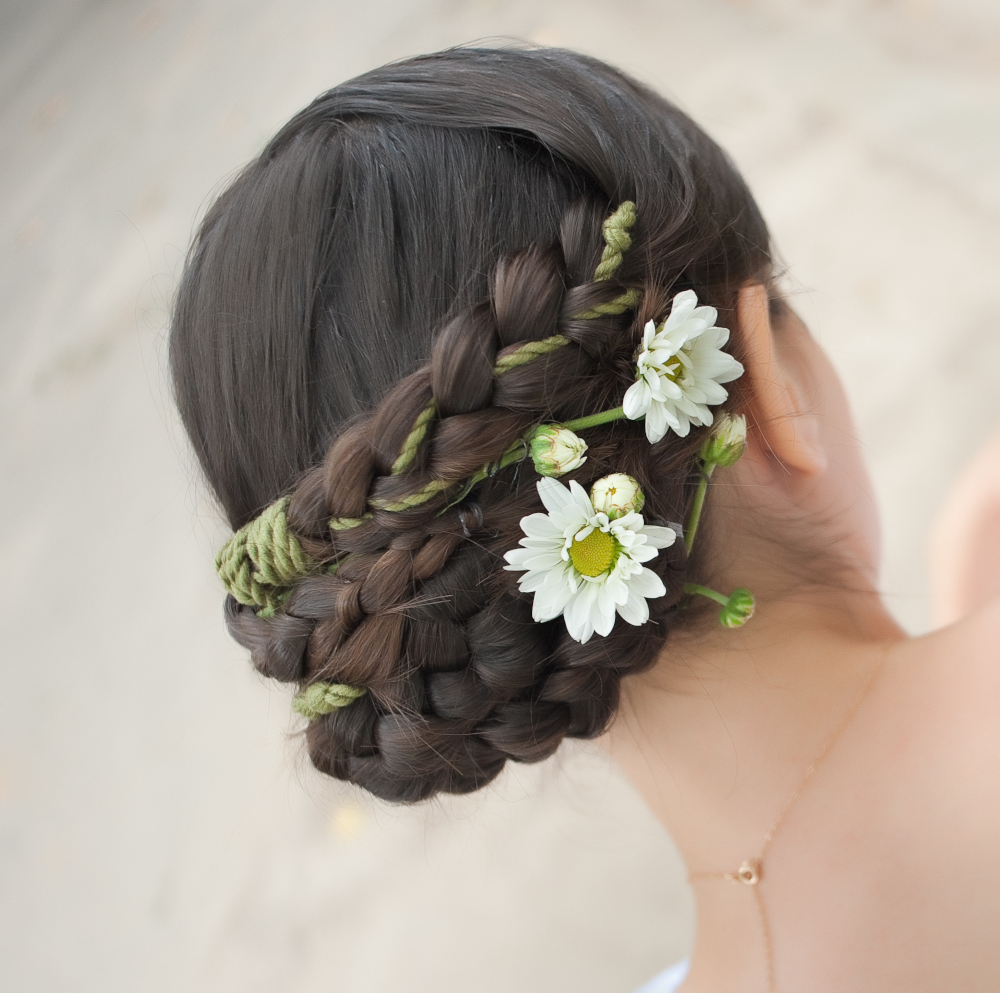
These seven vital nutrients are crucial for full, strong hair. Together with consistently natural hair care they nourish the scalp and give the hair structure and volume. This means dandruff, split ends and brittle hair don't stand a chance.
Proteins
Our hair is composed of about 95% keratin. Keratin is a fibre-forming structural protein and the basic building block of hair and nails. Like all proteins, keratin is made up of individual amino acids; two of the most important are the sulphur-containing amino acids L-cysteine and methionine. They provide the precursors for keratin synthesis. Keratin gives the hair stability and prevents breakage.
A protein-rich diet promotes hair growth and strengthens hair structure. Good sources of protein are lean meat, fish, eggs, pulses and nuts.
B vitamins
The entire group of B vitamins is important for hair health. Particularly noteworthy are biotin (vitamin B7), pantothenic acid (vitamin B5), pyridoxine (vitamin B6) and folic acid.
Pantothenic acid stimulates cell growth and is important for structures with a high growth rate, which also includes the hair follicles. A deficiency in biotin can favour seborrhoeic dermatitis, dry scalp, fine and brittle hair as well as hair loss. Pyridoxine has the potential to reduce hair loss as a side effect of chemotherapy [1].
The B-complex vitamins are also recommended for stress-related hair loss because they contribute significantly to a healthy nervous system.
Foods rich in vitamin B include animal products, nuts, seeds, soybeans, wheat bran and wholegrain products. Lamb's lettuce, kale and peas also contain B vitamins.
Iron
Iron is essential for oxygen transport and acts as a cofactor in important enzyme groups. Iron deficiency can lead to hair loss because it impairs the oxygen supply to the hair follicles. Too little iron is a common cause of diffuse hair loss in women [2]. Vitamin C improves the absorption of iron and is recommended for iron-deficiency-related hair loss to optimise the bioavailability of iron.
Pulses and dark green leafy vegetables are good plant-based sources.
Omega-3 fatty acids:
Omega-3 fatty acids promote the health of the hair follicles and the circulation of the scalp. They have anti-inflammatory effects and are a boon for itchy, irritated and flaky skin.
Good sources are fish, linseed, walnuts and chia seeds.
Vitamin E
Vitamin E prevents the oxidation of polyunsaturated fatty acids by scavenging free radicals. Studies have shown that it interacts synergistically with vitamin C, selenium and zinc in the human body, which also have antioxidant effects. A correlation between hair loss and vitamin E has been observed in small studies. Supplementation with vitamin E, beta‑carotene and selenium is recommended in this context [3].
Selenium
Selenium plays an important role in the vitality and growth of keratinocytes [4]. Selenium deficiency can suppress hair growth and favour hair loss. The trace element prevents oxidative DNA damage and strengthens cellular immunity.
Pulses, asparagus, broccoli, mushrooms, white cabbage, garlic, onions and Brazil nuts contain a lot of selenium.
Zinc
The trace element zinc is also involved in the formation of keratin. The human body needs zinc for the formation and cross-linking of collagen. Collagen is essential for anchoring the hair root and determines the actual hair structure. Zinc plays an important role in cell division, including that of the hair follicles. Zinc deficiency can lead to hair loss and disorders of hair growth [5].
Pulses, nuts, wholegrain products and lean meat are good sources of zinc.
Conclusion: Replenishing vital nutrients in good time is worthwhile with regard to hair health. Combined with the right care, they not only provide shine and resilience to the hair, but also radiant skin and strong nails.

