
|
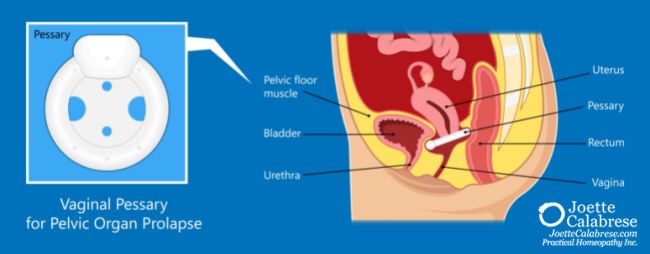
As I mentioned elsewhere, I always try to address women and men equally in my blog posts. However, sometimes I receive so many questions about one or other gender-specific topic that it becomes very important to me to write about it. This is the case, for example, with pelvic floor weakness and uterine prolapse in women. I find that this question is asked relatively often in our social media forums. First I would like to point out that most people believe a strong pelvic floor can also prevent a prolapse of the internal organs. However, my experience has shown that a prolapse in women is in most cases linked to hormonal complaints that occur in the context of the menopause – that is, before, during and after the climacteric. And all the Kegel exercises in the world will not be able to counter these hormonal fluctuations. In homeopathy we do not treat the hormones themselves, but the complaints that are, so to speak, laid at our feet by the hormonal disturbances. Sepia 200 for prolapseFor an early-stage prolapse I would first turn to one of our best hormone remedies, namely Sepia 200 – in this case to be taken once every three days. I have used it many times in my practice and observed very different results. For example, I have seen Sepia 200 completely resolve a prolapse. In other cases it had no effect at all. But in most cases the results lie in the golden middle between the two extremes. When Sepia 200 is used correctly, the prolapse can improve so much that bleeding stops, the pain disappears and also the feeling of not being able to stand or lift without “gravity” causing a catastrophe! Further information on the correct potency and dosage of homeopathic remedies can be found here. I consider that a success, because it gives sufferers back their quality of life. Of course we – like with all our weaknesses and susceptibilities – cannot behave as if we were Superwoman just because we have our prolapse successfully under control. I am not encouraging you to lift a piano or take part in the next pole-vault competition! But with a little common sense and a small and not very expensive pack of Sepia, a woman can take part in life again! Prolapse and therapeutic pessaries
|



.png)
