
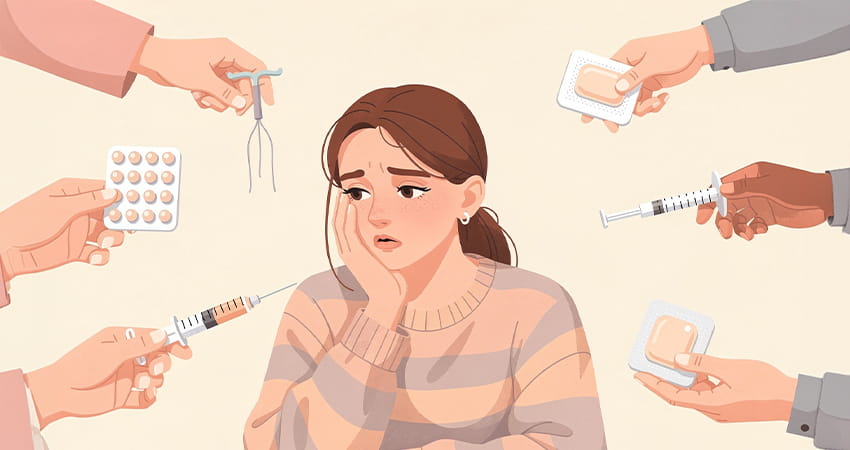
Figure 1: Hormonal contraception is widespread in this country. At the same time, experts warn of possible health risks, as synthetic hormones act differently in the body than endogenous oestrogen and progesterone.
To this day many girls and women use synthetic hormones — either for family planning or to treat menstrual complaints. At the same time, numerous experts in women's health — including naturopathically oriented physician Lara Briden — warn that the contraceptive pill may be outdated and potentially harmful to health. In this blog post we examine the main criticisms of hormonal contraceptives, explain the modes of action of the different types of hormones and take a look at possible long-term consequences. We also address typical challenges when stopping the pill and present seven practical tips that may help to relieve menstrual complaints naturally.
What is hormonal contraception and how did it come about?

Figure 2: The contraceptive pill was developed more than sixty years ago as a method of contraception controllable by women.
“Hormonal contraception” refers to tablets, patches and injections that suppress natural ovarian function via hormonal active ingredients. The contraceptive pill (short: “the Pill”) is the best-known and most widely used form of hormonal contraception. It is by no means a modern invention: the first contraceptive pill was approved in the USA in 1960. A year later a combined oral contraceptive was also approved in Germany.
The pill was originally developed as a means to enable women to plan their families autonomously. The classic combined pill contains synthetically produced sex hormones — typically an oestrogen (usually ethinylestradiol or estradiol) and a progestogen. These hormones influence the body's natural hormonal cycle and primarily prevent ovulation. In addition, the pill alters other processes in the female body: cervical mucus at the cervix becomes more viscous, making it harder for sperm to pass through. At the same time the uterine lining changes, making it less likely for a fertilised egg to implant.
Is the frequent criticism of the contraceptive pill justified?
More and more women are choosing to stop taking the Pill. A common reason is the growing criticism from expert circles, which in recent years has contributed to a markedly more critical public image of hormonal contraceptives. But what exactly is the criticism aimed at, and are the warnings about hormonal contraceptives really justified?
To better understand the discourse, it is worth taking a look at the history of the Pill. When it was introduced in the early 1960s, contraception in Germany was still highly taboo both socially and legally. The contraceptive pill was therefore often officially prescribed as a “treatment for female complaints” or for “regulating menstruation”.1 The persistent myth that the Pill “regulates” the menstrual cycle still exists today. Although intake causes regular bleeding, this is not a natural menstruation but a so-called withdrawal bleed. Women using hormonal contraception therefore do not go through a natural cycle. Or, as author and physician Lara Briden puts it: the Pill does not “regulate” hormones, it shuts them down entirely.2
Briden also criticises that hormonal contraceptives are often prescribed very quickly in medical practice — often as “a thorough (but inadequate) one-size-fits-all solution to problems of any kind”.3 For issues such as severe menstrual pain, PCOS or endometriosis, the medical recommendation in many cases is: “Just take the Pill”.
That the contraceptive pill is prescribed to very young women and girls despite known side effects is described by Briden as “a large experiment at the expense of women's health”. She believes it is often underestimated that the synthetic hormones in the Pill act differently in the body than the body's own sex hormones. The following section explains this difference in more detail using progestin and the natural hormone progesterone as examples.
Progestin vs. progesterone: differences in action and function
There are now variants of the contraceptive pill that contain bioidentical oestrogen. Preparations with bioidentical progesterone, however, do not exist. This distinction confuses many Pill users, because synthetic progestogens — such as norethisterone, levonorgestrel or drospirenone — are frequently also referred to as “progesterone”. These synthetic hormones are different molecules that differ in structure and action from the naturally produced oestradiol and progesterone formed in the ovaries.4
Synthetic progestogens (progestins) are artificially manufactured substances that resemble the body's own progesterone but are not identical to it. They are developed in the laboratory and are often derived from progesterone or testosterone. Depending on the active ingredient, progestins can bind to progesterone receptors with varying strengths and may also partially bind to other hormone receptors such as androgen or oestrogen receptors. The natural hormone progesterone, by contrast, is produced mainly in the ovaries and binds predominantly to progesterone receptors without influencing other hormone receptors to the same extent.
The possible physiological effects also differ. Natural progesterone is associated with various physiological functions, including reproduction, mood, metabolism and bone health. Synthetic progestogens, on the other hand, can — depending on the active ingredient and individual response — produce different effects. While progesterone can improve brain health and perception,5 progestins have been associated with depression and anxiety disorders.6 The progestin levonorgestrel can, due to its similarity to the male hormone testosterone, also cause hair loss.7
Possible long-term consequences of hormonal contraception

Figure 3: Increasing numbers of studies provide indications of possible long-term effects of the Pill. Areas such as bone health, mental stability, libido, hair and body weight are being investigated more intensively.
Women who choose a hormonal contraceptive method should not do so without being aware of the possible long-term consequences. The following list roughly follows the risks and side effects of hormonal contraception that Lara Briden also names in her book “Die Perioden-Werkstatt”.8
1. Bone density
During adolescence the maximal bone mass, the so‑called “peak bone mass”, is built up. Women typically reach their highest bone density between about 25 and 30 years of age. Since natural bone loss then slowly begins, it is important to develop as high a bone density as possible by that time. The hormone oestrogen plays a central role in the formation and stability of bone. It supports bone formation, promotes calcium deposition in bones and contributes to the stability of bone structure.
However, if the natural cycle is suppressed by hormonal contraception during adolescence, this can affect the development of bone density. A reduced endogenous oestrogen production during this crucial phase of bone formation can result in a lower peak bone mass. In the long term there is a potentially increased risk of fractures and osteoporosis. Although hormonal contraceptives are sometimes portrayed as “bone-protective”, some studies show no effects on bone health.9 Other investigations indicate that the use of combined hormonal contraceptives (e.g. pills containing oestrogen and progestogen) in adolescence can lead to less pronounced bone density accrual in the spine.10
2. Cancers
A reduced risk of gastrointestinal, ovarian and endometrial cancer is often highlighted as a major advantage of the Pill.11 At the same time, a high‑dose oestrogen pill can triple the risk of breast cancer.12 Studies have found a 1.6‑fold increased risk with moderate dosing.13 Giving more oestrogen to compensate for the potentially negative effects of the Pill on bone substance, as described in the previous section, is therefore short‑sighted and not a sensible solution.
3. Mood and depression
The evidence on the long‑term effects of hormonal contraception is limited. Studies documenting possible long‑term consequences of pill use are only gradually being published. It is becoming increasingly clear that synthetic hormones can influence mood, stress processing and emotional regulation.
Particular attention was paid to a study published in October 2016 in the medical journal JAMA Psychiatry on the link between hormonal contraception and depression. Researchers at the University of Copenhagen followed more than one million women over a period of 13 years. They found that depression was diagnosed significantly more often in girls and women who used hormonal contraception.14 A further Swedish study confirms this result. Analysis of data from 264,557 women using a combined pill with progestogen and oestrogen found a 73 percent increased risk of a depression diagnosis in the first two years of pill use.15
4. Loss of libido
Many women report improved libido after stopping the Pill. On a hormonal level this correlation can be explained by the fact that hormonal contraception is associated with a low testosterone level. Testosterone — even in women — is closely linked to sexual desire and arousal.16 Hormonal contraception can reduce libido and also promote vaginal dryness. In one study, women using hormonal contraception reported, among other things, less frequent sex, reduced arousal, lower desire and decreased vaginal lubrication.17
5. Hair loss
Progestins with a high androgen index such as levonorgestrel, norgestrel or etonogestrel can contribute to the shrinking of hair follicles and thereby promote hair loss (alopecia). Androgens are male sex hormones that promote the development of male sex characteristics. Because the shrinking of hair follicles is a slow process, early hair loss often goes unnoticed for a long time. Many women only notice the symptoms months or even years after beginning hormonal contraception. If hair loss already runs in the family, the risk appears to be increased that alopecia will be exacerbated or manifest earlier due to hormonal contraceptive use.18
6. Weight gain
The question of whether hormonal contraception promotes weight gain must be considered in a nuanced way. The study situation is inconsistent and partly contradictory. One possible mechanism by which the Pill can favour weight gain is its effect on the hormone insulin. Some synthetic hormones in the Pill can reduce insulin sensitivity and increase insulin levels in the blood. Because insulin promotes fat storage, inhibits fat burning and also influences hunger and satiety, cravings and weight gain are among the possible consequences of pill use. In addition, studies indicate that oral contraceptives can impair muscle development.19 This is relevant for effective weight management, as higher muscle mass increases basal metabolic rate (BMR) — the amount of energy the body uses at rest.
Stopping the contraceptive pill: benefits and possible challenges
There are many possible reasons for deciding to stop using hormonal contraception. Some women stop the Pill to get to know their natural cycle again or to minimise the risk of the potential long‑term consequences mentioned above. Physical complaints from taking contraceptives or a wish to have children in the near future are also common motives. Fortunately, there are now numerous alternative contraceptive methods, so women are no longer dependent on the Pill alone for pregnancy prevention.
The decision to stop the contraceptive pill should always be discussed in advance with a gynaecologist. Stopping hormonal contraception can be accompanied by complaints such as acne, PMS or absent periods (amenorrhoea). Whether and to what extent these symptoms occur is individually variable and also depends on how long hormonal contraception was used. The body often needs six to twelve months for the natural hormonal cycle to settle again. Many experts, including Lara Briden, nevertheless encourage women to stop hormonal contraception and to view the period not as a burden but as a “monthly health check”. With optimal health the cycle runs smoothly, regularly and without unwanted symptoms.20
Supporting the period naturally and relieving menstrual complaints

Figure 4: Through targeted nutrient intake and inflammation reduction, microbiome care and effective stress management, many period problems can be alleviated naturally.
It is a widespread myth that common menstrual complaints such as PMS, heavy bleeding, cravings, acne or fatigue can only be effectively treated with hormonal contraception. In fact there are numerous other approaches that promote a regular period and can relieve complaints naturally. Below we present seven holistic tips that, according to Lara Briden, have proven effective in practice.
- Eat wholefoods and plenty of protein: Proteins are particularly important for menstrual health because they provide valuable amino acids. A protein‑rich breakfast can improve insulin sensitivity and stabilise blood sugar, which helps to prevent many menstrual complaints. However, all three macronutrients — proteins, carbohydrates and fats — are needed to feel satisfied and to have a regular ovulation. Avoid sugar and prefer carbohydrates that are not pro‑inflammatory. Foods such as rice, oats, potatoes, sweet potatoes and gluten‑free pasta are a good choice in this respect.
- Ensure adequate magnesium intake: Naturopath Lara Briden describes magnesium as a “miracle mineral for periods”. The mineral can calm the nervous system and improve the function of insulin and thyroid hormones. Magnesium also has anti‑inflammatory effects and supports the production of steroid hormones, including progesterone. Magnesium‑rich foods such as nuts, green leafy vegetables and seeds can therefore be eaten daily.
- Avoid cow’s milk products where appropriate: Current studies indicate that cow’s milk products can be pro‑inflammatory, alter hormone balance and impair ovulation.21 Especially with heavy periods, endometriosis and adenomyosis it may be worthwhile to test a dairy‑free diet for several months. Goat and sheep dairy products may still be consumed, as they do not contain the potentially problematic milk protein A1‑casein.
- Reduce pro‑inflammatory foods: Chronic inflammation is, according to Lara Briden, a key factor in all types of menstrual complaints.22 Pro‑inflammatory foods such as sugar, alcohol, wheat, vegetable seed oils like rapeseed, soy and sunflower oil, and the aforementioned cow’s milk products can exacerbate inflammation and thus menstrual complaints. Opt for an anti‑inflammatory diet rich in omega‑3 fatty acids (e.g. in oily fish, walnuts, chia seeds), antioxidants (e.g. in berries and green leafy vegetables) and spices with potential anti‑inflammatory effects (e.g. turmeric, ginger).
- Eat more phytoestrogens in cases of oestrogen excess: Phytoestrogens are compounds that structurally resemble the hormone oestrogen. They are mainly found in plant foods such as legumes, nuts, linseed and whole grains. By blocking oestrogen receptors they can moderate the effects of the body's stronger endogenous oestrogen. This can have a positive effect on menstrual complaints such as heavy periods, premenstrual irritability and breast tenderness.23
- Take care of a healthy microbiome: Our gut bacteria are crucial for a trouble‑free period. Beneficial microorganisms of the microbiome safely help to excrete oestrogen from the body, while unfavourable gut bacteria can harm oestrogen metabolism. To support the gut microbiome, consume fibre‑rich products (prebiotics) and probiotics (e.g. sauerkraut, kefir, kimchi). As they can massively damage the gut flora, avoid antibiotic use where possible.
- Reduce stress deliberately and regularly: The enormous influence of stress on menstrual health should not be underestimated. Stress acts directly on the hypothalamus — the area of the brain that, among other things, regulates the release of the ovulation‑promoting hormones FSH and LH. In stressful phases the number of cycles with ovulation can decrease. At the same time more cortisol is released, which can impair both ovulation and the production of ovarian steroids. Regular and sufficient sleep as well as daily exercise can help to stabilise cortisol levels. Methods such as yoga, meditation, breathing exercises and MBSR (Mindfulness‑Based Stress Reduction) are proven strategies to effectively reduce stress.
Disclaimer
This article does not replace treatment by a qualified therapist. The basis of this contribution is formed by studies and current literature. It must not be used for self‑diagnosis or self‑treatment. Discuss any inspirations from this article with a therapist you trust if necessary.
Biographical
Katharina Korbach regularly writes blog posts about medicinal plants and natural active ingredients for the Narayana Verlag. She developed an interest in language early on and began writing her own literary texts. A serious illness during her final school exams prompted an intensive engagement with health and nutrition issues that continues to this day. After repeated failures of conventional medical treatments, she opted for a more self‑efficacious, naturopathic therapeutic approach. A plant‑based diet was a key element in her healing journey.
Katharina studied Cultural Studies (B.A.) and Applied Literary Studies (M.A.). In 2022 she published her debut novel “Sperling” with Berlin Verlag. Today she lives in Berlin as a freelance author, medical editor and lecturer. She prefers to spend her free time with friends or at barre training. She also loves to travel and try out new vegan recipes.
Sources
- Liao PV, Dollin J. Half a century of the oral contraceptive pill: historical review and view to the future. Can Fam Physician. 2012 Dec. https://pmc.ncbi.nlm.nih.gov/articles/PMC3520685/.
- Briden L. Die Perioden-Werkstatt: Der Weg zu gesunden Hormonen und einer gesunden Periode. 2018 Nov 14. p.6.
- Ibid. p.8.
- Ibid. p.21.
- Henderson VW, St John JA, Hodis HN, McCleary CA, Stanczyk FZ, Karim R, Shoupe D, Kono N, Dustin L, Allayee H, Mack WJ. Cognition, mood, and physiological concentrations of sex hormones in the early and late postmenopause. Proc Natl Acad Sci U S A. 2013 Dec 10. https://pubmed.ncbi.nlm.nih.gov/24277815/.
- Skovlund CW, Mørch LS, Kessing LV, Lidegaard Ø. Association of Hormonal Contraception With Depression. JAMA Psychiatry. 2016 Nov 1. https://pubmed.ncbi.nlm.nih.gov/27680324/.
- Paterson H, Clifton J, Miller D, Ashton J, Harrison-Woolrych M. Hair loss with use of the levonorgestrel intrauterine device. Contraception. 2007 Oct. https://pubmed.ncbi.nlm.nih.gov/17900442/.
- Briden L. Die Perioden-Werkstatt: Der Weg zu gesunden Hormonen und einer gesunden Periode. 2018 Nov 14. pp.29f.
- Scholes D, Ichikawa L, LaCroix AZ, Spangler L, Beasley JM, Reed S, Ott SM. Oral contraceptive use and bone density in adolescent and young adult women. Contraception. 2010 Jan. https://pubmed.ncbi.nlm.nih.gov/20004271/.
- Goshtasebi A, Subotic Brajic T, Scholes D, Beres Lederer Goldberg T, Berenson A, Prior JC. Adolescent use of combined hormonal contraception and peak bone mineral density accrual: A meta-analysis of international prospective controlled studies. Clin Endocrinol (Oxf). 2019 Apr. https://pubmed.ncbi.nlm.nih.gov/30614555/.
- National Cancer Institute (2025): Endometrial Cancer Prevention (PDQ) – Health Professional Version. https://www.cancer.gov/types/uterine/hp/endometrial-prevention-pdq (accessed: 01.03.2026).
- Beaber EF, Buist DS, Barlow WE, Malone KE, Reed SD, Li CI. Recent oral contraceptive use by formulation and breast cancer risk among women 20 to 49 years of age. Cancer Res. 2014 Aug 1. https://pubmed.ncbi.nlm.nih.gov/25085875/.
- Li CI, Beaber EF, Tang MT, Porter PL, Daling JR, Malone KE. Effect of depo‑medroxyprogesterone acetate on breast cancer risk among women 20 to 44 years of age. Cancer Res. 2012 Apr 15. https://pmc.ncbi.nlm.nih.gov/articles/PMC3328650/.
- Skovlund CW, Mørch LS, Kessing LV, Lidegaard Ø. Association of Hormonal Contraception With Depression. JAMA Psychiatry. 2016 Nov 1. https://pubmed.ncbi.nlm.nih.gov/27680324/.
- Johansson T, Vinther Larsen S, Bui M, Ek WE, Karlsson T, Johansson Å. Population-based cohort study of oral contraceptive use and risk of depression. Epidemiol Psychiatr Sci. 2023 Jun 12. https://pubmed.ncbi.nlm.nih.gov/37303201/.
- Simon JA, Ohleth K. Testosterone for Treating Female Sexual Dysfunction. Clin Obstet Gynecol. 2025 Mar 1. https://pubmed.ncbi.nlm.nih.gov/39690483/.
- Blumenstock SM, Barber JS. Hormonal Contraception Use and Sexual Frequency across Young Women's Intimate Relationships. J Sex Res. 2023 Nov‑Dec. https://pubmed.ncbi.nlm.nih.gov/35435786/.
- Graves KY, Smith BJ, Nuccio BC. Alopecia due to high androgen index contraceptives. JAAPA. 2018 Aug. https://pubmed.ncbi.nlm.nih.gov/29979329/.
- Riechman SE, Lee CW. Oral Contraceptive Use Impairs Muscle Gains in Young Women. J Strength Cond Res. 2022 Nov 1. https://pubmed.ncbi.nlm.nih.gov/33993156/.
- Briden L. Die Perioden-Werkstatt: Der Weg zu gesunden Hormonen und einer gesunden Periode. 2018 Nov 14. p.6.
- Kim K, Wactawski‑Wende J, Michels KA, Plowden TC, Chaljub EN, Sjaarda LA, Mumford SL. Dairy Food Intake Is Associated with Reproductive Hormones and Sporadic Anovulation among Healthy Premenopausal Women. J Nutr. 2017 Feb. https://pubmed.ncbi.nlm.nih.gov/27881593/.
- Briden L. Die Perioden-Werkstatt: Der Weg zu gesunden Hormonen und einer gesunden Periode. 2018 Nov 14. p.124.
- Seo H, Seo H, Lee SH, Park Y. Receptor mediated biological activities of phytoestrogens. Int J Biol Macromol. 2024 Oct. https://pubmed.ncbi.nlm.nih.gov/39084415/.
Figure credits: Figure 1: bfl.ai ; Figure 2: Kmpzzz/shutterstock.com ; Figure 3: Pormezz/shutterstock.com ; Figure 4: Mykolal Mykolal/shutterstock.com
08.06.2026