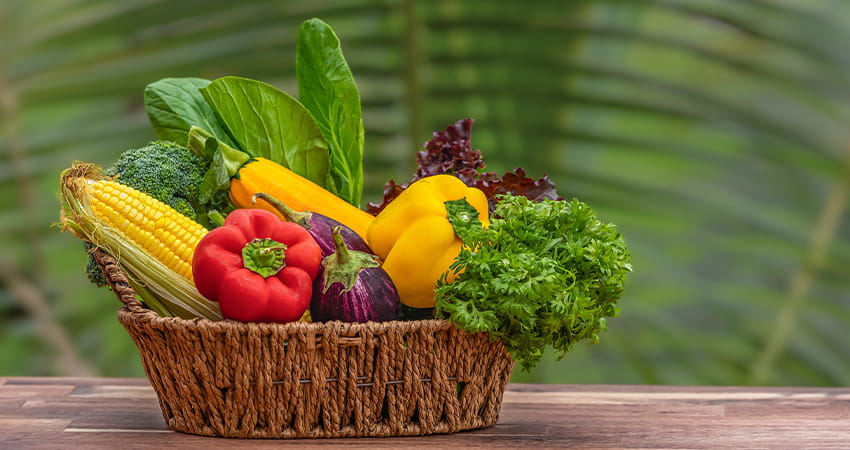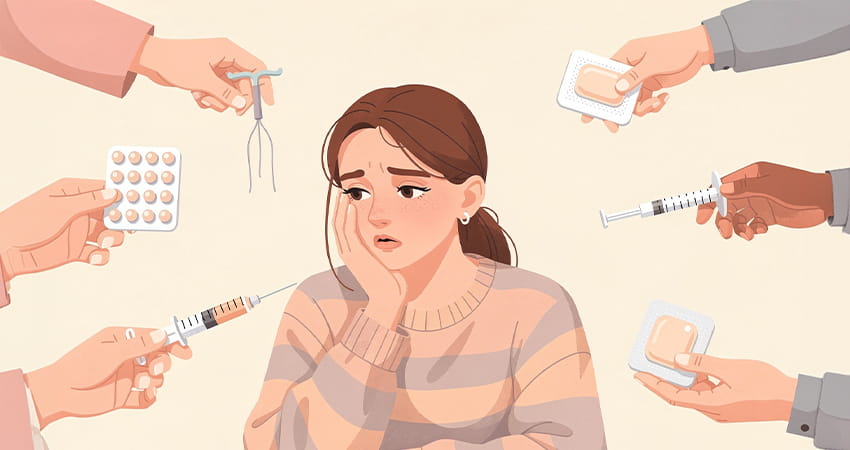
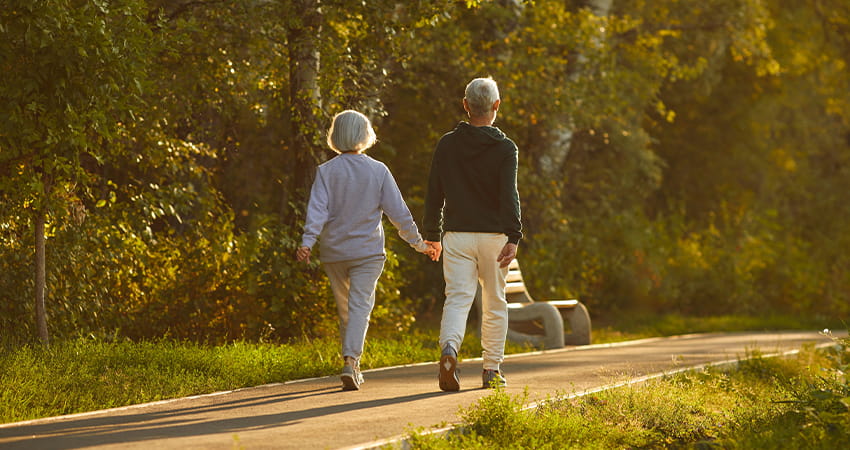
Figure 1: Only about 10 to 20 percent of the healthy lifespan is determined by genetics. The much larger share – around 80 percent – is influenced by lifestyle and environmental factors.
Many people wish to reach a ripe old age — and to remain healthy, active and capable for as long as possible. This is precisely where the concept of longevity comes in: the aim is to preserve quality of life into old age and to prevent age-related complaints. In fact, even small changes in everyday life can have a positive impact on life expectancy. In this blog post we first examine why it is generally worthwhile to engage with the topic of longevity. We then present 10 practical tips that can help you strengthen your physical and mental health in the long term and lay the foundation for a vital life into old age.
Why is it worthwhile to actively promote longevity?
Average life expectancy has been steadily increasing for decades. According to the Federal Statistical Office, it is currently 78.9 years for men and 83.5 years for women in Germany (based on the 2024 life table).1 On average, this results in a life expectancy of around 81 years. At the same time, however, many people require care or suffer from chronic illnesses and physical limitations in their final years. The idea behind longevity is to align the so-called "Health Span" — the healthy lifespan — as closely as possible with actual life expectancy ("Life Span").
Supporting this goal through conscious decisions and a longevity-promoting lifestyle is quite realistic. Studies show that lifestyle and environmental factors have the greatest influence on healthy ageing, while genetic aspects determine only a comparatively small portion of our longevity. Nutrition, exercise, sleep, social relationships and stress management can make a decisive contribution to preventing age-related diseases and maintaining physical and mental performance in the long term. You can find more information in our detailed blog post on the topic of longevity.
Living long and healthy: 10 tips to strengthen longevity in everyday life
1. Don’t smoke!
Smoking is one of the biggest avoidable risk factors for premature mortality and numerous chronic diseases such as cardiovascular disease, cancer and COPD. Studies show that non-smokers, on average, live significantly longer and healthier lives.2 Not smoking is therefore one of the most effective measures to sustainably reduce the risk of consequential illnesses and increase life expectancy.
2. Drink little or no alcohol!
Regular alcohol consumption can strain the liver, cardiovascular system and brain and is associated with an increased risk of cancer and metabolic disorders. Even small amounts of alcohol can carry health risks. The German Nutrition Society (DGE) emphasises that there is no risk-free amount of alcohol and recommends avoiding alcoholic drinks altogether.3 Minimising consumption supports the liver, metabolism and long-term health.
3. Make physical activity a daily ritual!

Figure 2: Whether water aerobics, a walk or stretching exercises — the key is to integrate movement into everyday life on a lasting basis.
Physical activity is one of the most effective "longevity boosters". It does not always have to be intense sport: everyday activity, walking, cycling or gentle forms of exercise such as yoga can also have a positive effect on the cardiovascular system, metabolism and mental health. As a large US long-term study showed, just 300 minutes of moderate activity per week can significantly reduce mortality risk.4 Exercise outdoors is ideal because it additionally supports vitamin D production and can have a positive effect on general wellbeing and the immune system. Regular strength training is also recommended to counteract the natural age-related loss of muscle mass.
4. Optimise your sleep!
Night-time rest is essential for regeneration, cellular health, hormonal balance and the immune system. During sleep, metabolic waste products are eliminated and repair processes are activated. Fixed bedtimes, even at the weekend, and a calming evening routine (e.g. tea, a warm bath, reading) can sustainably improve sleep quality. Also try to reduce blue light in the evening by avoiding electronic devices such as smartphones, tablets or TVs for at least one hour before going to bed. Prefer a light evening meal, as late heavy meals can burden digestion and disturb sleep.
5. Maintain social contacts!

Figure 3: Sufficient rest and conscious breaks are important components of a health-promoting lifestyle.
The importance of interpersonal relationships for physical and mental health is often underestimated. Maintain contact with family members, friends, neighbours or colleagues. Interaction with others and the feeling of being part of a community are central factors for healthy ageing. Conversely, loneliness and social isolation are associated with an increased risk of disease and premature mortality.5
6. Reduce your stress levels deliberately!
Chronic stress can massively accelerate ageing processes by promoting the release of stress hormones such as cortisol. Stress can also promote inflammatory processes and is associated with accelerated cellular ageing. Methods such as meditation, breathing exercises or conscious breaks help regulate the nervous system and strengthen mental health.
7. Avoid longevity killers in your diet!
A Mediterranean-style diet is considered ideal for longevity. Equally important to choosing the "right" foods, however, is avoiding products and ingredients that can reduce longevity. Highly processed foods, sugar, unhealthy fats and large amounts of red meat should be avoided or eaten only very rarely, as they promote various diseases and can therefore endanger healthy longevity. For example, consumption of highly processed products has been shown to increase the risk of developing cardiovascular disease.6
8. Practice "Hara Hachi Bu"!
The Okinawan principle "Hara Hachi Bu" means eating until you are only about 80 percent full at each meal. This helps to avoid overeating, relieves the metabolism and supports cellular processes important for longevity. "Hara Hachi Bu" can also help prevent or reduce overweight. In particular, severe overweight (obesity) carries a high risk of developing chronic diseases such as cardiovascular disease, type 2 diabetes or hypertension, which shorten the health span.7
9. Eat in a gut- and microbiome-friendly way!
A diverse and intact gut microbiome is not only important for digestion but also essential for numerous metabolic processes and the immune system. Studies show that long-lived people often have an especially diverse gut flora.8 To promote a balanced community of microorganisms in the gut, both prebiotic and probiotic foods should regularly feature on your menu. Feel free to reach for fibre-rich foods such as whole grains, legumes, onions and garlic (prebiotics) as well as fermented products like kefir, sauerkraut or kimchi (probiotics).
10. Avoid constant snacking!
Conscious meal breaks give the body the opportunity to initiate repair and regeneration processes. Among other things, the process known as autophagy is activated, in which damaged cellular components are broken down and renewed. Breaks of around three to five hours between main meals are considered sensible for most people. By avoiding frequent snacks, you also prevent a continuously elevated insulin level, stabilise blood sugar and relieve the metabolism.
Disclaimer
This article does not replace treatment by a qualified therapist. The basis of this contribution is studies and current literature. It must not be used for self-diagnosis or self-treatment. If in doubt, discuss any inspirations from this article with a therapist you trust.
Biography
Katharina Korbach regularly writes blog posts about medicinal plants and natural active substances for Narayana Verlag. She became interested in language at an early age and began writing her own literary texts. A serious illness during her final school year prompted an intensive engagement with health and nutrition topics that continues to this day. After repeated failures of conventional medical treatments, she opted for a more self-effective, naturopathic treatment approach. A plant-based diet was a key element in her healing journey.
Katharina studied Cultural Studies (B.A.) and Applied Literary Studies (M.A.). In 2022 she published her debut novel "Sperling" with Berlin Verlag. She now lives in Berlin as a freelance author, medical editor and lecturer. In her free time she likes to spend time with friends or at barre training. She also loves to travel and try out new vegan recipes.
Sources
- Federal Statistical Office: Population — Deaths and life expectancy. https://www.destatis.de/DE/Themen/Gesellschaft-Umwelt/Bevoelkerung/Sterbefaelle-Lebenserwartung/_inhalt.html (accessed: 06/05/2026).
- Doll R, Peto R, Boreham J, Sutherland I. Mortality in relation to smoking: 50 years' observations on male British doctors. BMJ. 2004 Jun 26. https://pubmed.ncbi.nlm.nih.gov/15213107/.
- DGE: Reference values for alcohol. https://www.dge.de/wissenschaft/referenzwerte/alkohol/ (accessed: 03/05/2026).
- H, Moore SC, Patel A, Hartge P, Berrington de Gonzalez A, Visvanathan K, Campbell PT, Freedman M, Weiderpass E, Adami HO, Linet MS, Lee IM, Matthews CE. Leisure time physical activity and mortality: a detailed pooled analysis of the dose-response relationship. JAMA Intern Med. 2015 Jun. https://pubmed.ncbi.nlm.nih.gov/25844730/.
- Holt-Lunstad J, Smith TB, Baker M, Harris T, Stephenson D. Loneliness and social isolation as risk factors for mortality: a meta-analytic review. Perspect Psychol Sci. 2015 Mar. https://pubmed.ncbi.nlm.nih.gov/25910392/.
- Srour B, Fezeu LK, Kesse-Guyot E, Allès B, Méjean C, Andrianasolo RM, Chazelas E, Deschasaux M, Hercberg S, Galan P, Monteiro CA, Julia C, Touvier M. Ultra-processed food intake and risk of cardiovascular disease: prospective cohort study (NutriNet-Santé). BMJ. 2019 May 29. https://pubmed.ncbi.nlm.nih.gov/31142457/.
- Nowak MM, Niemczyk M, Gołębiewski S, Pączek L. Impact of Body Mass Index on All-Cause Mortality in Adults: A Systematic Review and Meta-Analysis. J Clin Med. 2024 Apr 16. https://pubmed.ncbi.nlm.nih.gov/38673577/.
- Wilmanski T, Diener C, Rappaport N, Patwardhan S, Wiedrick J, Lapidus J, Earls JC, Zimmer A, Glusman G, Robinson M, Yurkovich JT, Kado DM, Cauley JA, Zmuda J, Lane NE, Magis AT, Lovejoy JC, Hood L, Gibbons SM, Orwoll ES, Price ND. Gut microbiome pattern reflects healthy ageing and predicts survival in humans. Nat Metab. 2021 Feb. https://pubmed.ncbi.nlm.nih.gov/33619379/.
Figure 1: Studio Romantic/shutterstock.com ; Figure 2: Lubo Ivanko/shutterstock.com ; Figure 3: Miller Inna/shutterstock.com
03.06.2026