| An overlooked jewel: Excerpt from the results of a Polish study on high dilutions | |
| “The activity of enzymes can be altered by homeopathic dilutions of their effectors.” | |
|
|
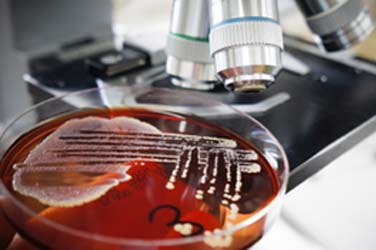
Introduction: Fungi and bacteria are well suited for investigating the influence of low and very low doses of phenolic regulatory molecules (effectors) on the enzymic system of phenoloxidases incubated together in a reaction space. |
|
Objective: To find a useful model of biological systems or a method, based on standard physical and biochemical analytical procedures, for investigating the effects of diluted low-molecular-weight substances on living organisms. |
|
|
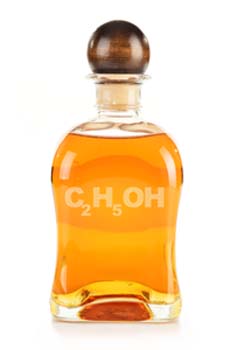
Method: In the experiments, fungal and bacterial material from laboratory cultures was used as a source of the common phenoloxidases laccase, peroxidase and O-demethylase, together with the previously described (1–5) pure plant peroxidase. Further dilutions of low-molecular-weight phenolic metabolites suitable for the study of enzymic systems were prepared in our laboratory. They were prepared in 75% ethanol at a ratio of 1:100 (centesimal) and dynamised by succussion according to homeopathic principles. |
 |
|
Results: According to the data available (1–5), incubation of biological material with diluted phenolic effectors induced various effects on the enzyme activity tested. With a gradual increase in the dilution level of the effectors tested, activity changed in a sinusoidal manner, which was clearly visible on the plot, where the number of dilutions was plotted on the x-axis and biological activity on the y-axis. |
|
|
Conclusion: Due to their widespread presence in our environment, fungi and bacteria appear to be a very suitable material for studying the effects of diluted metabolites on enzymic systems. |
|
| ************************************************************************** | |
| To read the full article, please click the following links: | |
| http://www.ncbi.nlm.nih.gov/pmc/articles/PMC2655704/ ; http://www.ncbi.nlm.nih.gov/pmc/articles/PMC2651610/ | |
| _________________ * International Journal of High Dilution Research 2012 (11(40): 185-186) * Proceedings of the XXVI GIRI Symposium; September 20-22, 2012, Florence, Italy (poster section) * M. Curie-Sklodowska University, Lublin, Poland |
|
| This article was published on www.interhomeopathy.org | |
|
Photo: |
|
| Category: Theory Keywords: Research, high dilutions, enzymes, effectors, biological activity |
|