
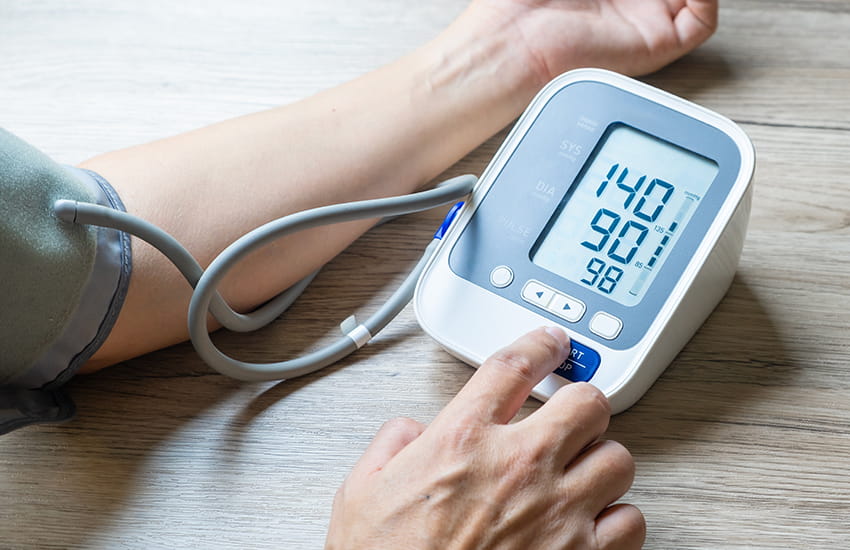
Figure 1: Hypertension and psoriasis often occur together and can mutually reinforce each other through inflammatory processes.
People with high blood pressure more often develop psoriasis – and vice versa.[1] The reasons for this are still not fully understood and are the subject of current research. This blog post presents both conditions and scientific explanations for the link between hypertension and psoriasis. You will also learn how beta-blockers can promote psoriasis and receive 6 tips to effectively prevent both conditions through targeted lifestyle measures.
What are high blood pressure (hypertension) and psoriasis?
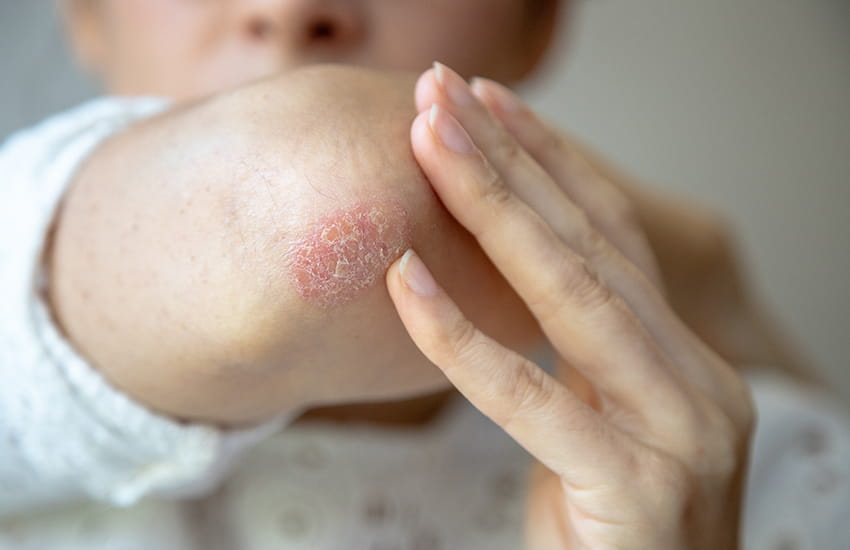
Figure 2: Psoriasis is not, as is often assumed, a purely skin disease, but a chronic inflammatory autoimmune condition.
Before addressing the connection and possible interactions between high blood pressure and psoriasis, the two conditions should first be briefly introduced. Both disorders are widespread in this country. According to a 2023 survey, about 29.3 percent of German adults aged 20 and over live with diagnosed hypertension – almost one in three adults.[2] Around 1.5 to 2 million people in Germany are affected by psoriasis (also known as plaque psoriasis).[3]
High blood pressure is defined as arterial hypertension when it reaches 140/90 mmHg or higher. Blood pressure refers to the pressure exerted by the blood on the blood vessels when it is pumped from the heart through the body. In hypertension, the pressure in the arteries is permanently elevated. The heart is placed under greater demand, which explains why thickening of the heart muscle, heart failure and heart attack are common sequelae of chronic hypertension. In the long term, strokes, kidney failure, circulatory disorders of the legs or damage to the eye up to blindness can also occur. Because symptoms such as dizziness, nosebleeds or tinnitus often only appear at very high blood pressure values, hypertension often remains undetected for a long time.
Psoriasis is a chronic, non‑contagious skin disease. The condition is well treatable but not curable. What triggers psoriasis is not yet sufficiently clarified. The course of the disease is unpredictable, with increased stress, infections or skin irritation often triggering new flares in those affected. Common comorbidities of psoriasis include psoriatic arthritis as well as cardiovascular diseases, inflammatory bowel diseases and depression.[4] Psoriasis is also often associated with the metabolic syndrome – and thus usually with high blood pressure as well.
Explanations for the link between hypertension and psoriasis

Figure 3: There are several risk factors that can trigger and exacerbate psoriasis and high blood pressure. Overweight, physical inactivity, an unbalanced diet and stress are among them.
Although the relationships between hypertension and psoriasis have not yet been fully researched, there are several plausible explanations for why the two conditions often occur together. Below we briefly present the most important and frequently discussed approaches.
1. Chronic inflammation
Chronic inflammation plays a major role in both high blood pressure and psoriasis. Psoriasis in particular is often misunderstood as a purely skin disease – it is a systemic inflammation. The inflammatory mediators released in psoriasis can promote deposits in vessel walls and narrowing of the arteries. The result is often atherosclerosis – one of the main risk factors for heart attack and stroke. In addition, the peripheral resistance the heart has to overcome to pump blood through the body increases – consequently blood pressure rises.[5] Chronically elevated blood pressure, in turn, leads over time to mechanical strain on the vessel walls. If the vessel inner lining – the endothelium – is damaged, inflammatory mediators are released. A low‑grade chronic inflammation develops in the organism, which can in turn exacerbate psoriasis.[6]
2. Vascular changes
Healthy blood vessels are elastic and can widen or narrow as required. However, in chronic inflammation more vasoconstrictive substances are released, so the blood vessels can no longer dilate sufficiently. Because of the higher peripheral resistance, the heart must pump harder and blood pressure rises. This creates a vicious circle: the systemic inflammation caused by psoriasis leads to endothelial damage and vessel narrowing. The damaged vessels cause high blood pressure, which in turn reinforces the chronic inflammation in the body – and thus also the psoriasis.[7]
3. Metabolic syndrome
The term "metabolic syndrome" describes a combination of several risk factors that together greatly increase the risk of cardiovascular disease, stroke and type 2 diabetes.[8] The main features are overweight (especially visceral fat), elevated blood sugar, unfavourable blood lipids, impaired glucose metabolism and high blood pressure. That many people with psoriasis also show features of the metabolic syndrome is attributed to the aforementioned chronic inflammatory processes associated with psoriasis. This creates a synergistic effect: the metabolic syndrome amplifies inflammatory reactions, which in turn further increase blood pressure.
4. Stress and the nervous system
The links between stress, blood pressure and psoriasis are complex and can therefore only be presented here in outline. Fundamentally, our nervous system has two main components: the sympathetic and the parasympathetic nervous systems. In chronic stress the sympathetic nervous system is chronically overactive and the body remains in a state of alarm. The neurotransmitter noradrenaline is released, causing vasoconstriction and consequently a rise in blood pressure. Chronic stress has also been shown to be pro‑inflammatory and can promote psoriasis flares.[9] The conditions – high blood pressure and psoriasis – in turn create additional stress, so the stress cycle reinforces itself unless the nervous system is specifically calmed.
Beta‑blockers can promote the development of psoriasis

Figure 4: Certain antihypertensive beta‑blockers are suspected of impairing cellular autophagy and thereby contributing to the development of psoriasis.
In addition to the factors described in the previous section, medications can also contribute to the development of psoriasis. Particular attention has been paid to so‑called beta‑blockers, which are frequently prescribed for high blood pressure. These drugs lower blood pressure by blocking certain receptors (beta‑adrenergic receptors) and inhibiting the action of adrenaline and noradrenaline in the body. This leads to a slowing of the heart rate and relief of the heart muscle.
However, some experts have long warned against the use of certain beta‑blockers because they appear to increase the risk of psoriasis. This suspicion was confirmed in a prospective cohort study of 777,728 women. The study showed not only that a duration of hypertension of more than six years is associated with a generally increased risk of developing psoriasis, but also that there was an observed association between regular long‑term use of beta‑blockers (for six years or more) and an increased risk of psoriasis.[10]
But why is that? A common explanation is that beta‑blockers impair cellular autophagy – essentially the cell's "recycling" process. Lipid‑soluble beta‑blockers (e.g. propranolol) in particular are suspected of disrupting this important process. They particularly affect lysosomes – small cell organelles that can be described as the cell's recycling and disposal system. Lysosomes contain digestive enzymes that, among other things, break down waste products and repair old or damaged cell components. However, when beta‑blockers like propranolol enter lysosomes, they can accumulate there and impair lysosomal function. This leads to the release of inflammatory mediators that can trigger psoriasis or worsen existing psoriasis.[11]
Preventing psoriasis and high blood pressure: 6 holistic tips

Figure 5: A healthy lifestyle can benefit people with psoriasis and hypertension as well as those without these conditions. The focus should be on preventing inflammation and containing existing inflammation in the long term.
Through conscious measures and lifestyle changes, the development of both hypertension and psoriasis can be prevented. Overweight, lack of exercise, stress and an unfavourable diet not only increase the risk of high blood pressure and psoriasis, but are also common comorbid factors. If you want to prevent high blood pressure or psoriasis from worsening or one condition leading to the other, it is advisable to follow the tips below.
- Follow an anti‑inflammatory diet: Chronic inflammation plays a decisive role in both psoriasis and high blood pressure. An anti‑inflammatory diet is one of the most important levers to reduce inflammation and protect the blood vessels. A plant‑based wholefood diet rich in antioxidants, fibre and omega‑3 fatty acids is ideal. Regularly include berries, green leafy vegetables, linseed oil, anti‑inflammatory spices (e.g. ginger, turmeric, chilli) and fatty fish (e.g. salmon or mackerel). Highly processed products high in sugar and trans fats as well as alcohol are pro‑inflammatory and should largely be avoided.
- Exercise regularly: Exercise acts like a natural medicine. Regular physical activity should therefore be an integral part of a healthy lifestyle and can effectively reduce blood pressure and inflammatory markers.[12] Even moderate exercise brings measurable effects. Depending on fitness level and personal preference, options include a daily 30‑minute walk, cycling, swimming, yoga or strength training (at least twice weekly).
- Reduce your stress levels: The influence of chronic stress on overall health and on psoriasis and high blood pressure is often underestimated. Psychological stress has been shown to increase the release of pro‑inflammatory mediators and thus promote or worsen psoriasis flares.[13] Stress also often triggers blood pressure spikes.[14] To regulate the nervous system, proven stress management and relaxation techniques such as breathing exercises, yoga or meditation are recommended. A regular sleep rhythm with fixed bedtimes and wake‑up times also supports the regulation of stress hormones such as cortisol and helps to calm the nervous system.
- Aim for a healthy body weight: Overweight increases inflammation, raises blood pressure and can worsen the course of psoriasis. Because psoriasis, high blood pressure and overweight often go hand in hand, weight management is an important pillar of treatment and prevention.[15] For overweight individuals, a weight loss of 5 to 10 percent can already be effective in reducing blood pressure and alleviating psoriasis symptoms.[16]
- Avoid smoking: It is well known that smoking is harmful to health. For psoriasis and high blood pressure you should be even more consistent in avoiding it, as smoking permanently damages blood vessels and the nicotine in cigarettes can cause measurable blood pressure spikes.[17] In addition, cigarettes promote oxidative stress in the body, which in turn exacerbates psoriasis as an inflammatory autoimmune disease.
- Have risk factors checked early: If you have high blood pressure, it is not sufficient to only monitor blood pressure – just as you should not only focus on the skin if you have psoriasis. Blood sugar (HbA1c) and blood lipids (especially LDL cholesterol) should also be measured regularly. Since abdominal fat is particularly pro‑inflammatory, you should also check your waist circumference every few weeks and, if necessary, use a body fat scale to determine your visceral fat value. If the conditions are already more advanced, measuring relevant inflammatory markers (e.g. CRP) as well as liver and kidney values may also be useful.
Disclaimer
This article does not replace treatment by a qualified practitioner. The basis of this article is studies and current literature. It must not be used for self‑diagnosis or self‑treatment. Discuss any ideas from this article with a practitioner you trust where appropriate.
Biography
Katharina Korbach regularly writes blog posts about medicinal plants and natural active ingredients for Narayana Verlag. She developed an interest in language early on and began writing her own literary texts. A serious illness during her final school exams prompted an intensive engagement with health and nutrition topics that continues to this day. After repeated failure of conventional medical treatments, she opted for a more self‑effective, naturopathic therapeutic approach. A plant‑based diet was a key element of her healing journey.
Katharina studied Cultural Studies (B.A.) and Applied Literary Studies (M.A.). In 2022 she published her debut novel "Sperling" with Berlin Verlag. She now lives in Berlin as a freelance author, medical editor and lecturer. In her free time she prefers to spend time with friends or at barre training. She also loves travelling and trying out new vegan recipes.
[1] Mirghani H, Altemani A, Alsaedi E, Aldawish R, Alharbi M, Alzahrani R, Alatawi S, Altemani S, Alanazi AH. The Association of Psoriasis, Diabetes Mellitus, and Hypertension: A Meta‑Analysis. Cureus. 2023 Nov 15. https://pubmed.ncbi.nlm.nih.gov/38106703/.
[2] AOK (2025): Hypertension Day: Almost one in three has high blood pressure. https://www.aok.de/pp/gg/update/hypertonie-online-coach/.
[3] Federal Ministry of Health (2021): Psoriasis. https://gesund.bund.de/en/psoriasis.
[4] PsoNet (2016): Global report on psoriasis. https://www.psoriasis-bund.de/fileadmin/images/download/WHO-Bericht.pdf (accessed: 27.01.2026).
[5] Hu MY, Yang Q, Zheng J. The association of psoriasis and hypertension: focusing on anti‑inflammatory therapies and immunological mechanisms. Clin Exp Dermatol. 2020 Oct. https://pubmed.ncbi.nlm.nih.gov/32789979/.
[6] Teklu M, Parel PM, Mehta NN. Psoriasis and Cardiometabolic Diseases: The Impact of Inflammation on Vascular Health. Psoriasis (Auckl). 2021 Jul 21. https://pubmed.ncbi.nlm.nih.gov/34322373/.
[7] Boehncke WH. Systemic Inflammation and Cardiovascular Comorbidity in Psoriasis Patients: Causes and Consequences. Front Immunol. 2018 Apr 5. https://pubmed.ncbi.nlm.nih.gov/29675020/.
[8] Mottillo S, Filion KB, Genest J, Joseph L, Pilote L, Poirier P, Rinfret S, Schiffrin EL, Eisenberg MJ. The metabolic syndrome and cardiovascular risk a systematic review and meta‑analysis. J Am Coll Cardiol. 2010 Sep 28. https://pubmed.ncbi.nlm.nih.gov/20863953/.
[9] Rajasekharan A, Munisamy M, Menon V, Mohan Raj PS, Priyadarshini G, Rajappa M. Stress and psoriasis: Exploring the link through the prism of hypothalamo‑pituitary‑adrenal axis and inflammation. J Psychosom Res. 2023 Jul. https://pubmed.ncbi.nlm.nih.gov/37207550/.
[10] Wu S, Han J, Li WQ, Qureshi AA. Hypertension, antihypertensive medication use, and risk of psoriasis. JAMA Dermatol. 2014 Sep. https://pubmed.ncbi.nlm.nih.gov/24990147/.
[11] Awad VM, Sakhamuru S, Kambampati S, Wasim S, Malik BH. Mechanisms of Beta‑Blocker Induced Psoriasis, and Psoriasis De Novo at the Cellular Level. Cureus. 2020 Jul 2. https://pubmed.ncbi.nlm.nih.gov/32766006/.
[12] Kasapis C, Thompson PD. The effects of physical activity on serum C‑reactive protein and inflammatory markers: a systematic review. J Am Coll Cardiol. 2005 May 1. https://pubmed.ncbi.nlm.nih.gov/15893167/.
[13] Lei D, Gong C, Wang B, Zhang L, Zhang G, Man MQ. The role of psychological stress in the pathogenesis of psoriasis. Front Med (Lausanne). 2025 Aug 11. https://pubmed.ncbi.nlm.nih.gov/40861201/.
[14] Gasperin D, Netuveli G, Dias‑da‑Costa JS, Pattussi MP. Effect of psychological stress on blood pressure increase: a meta‑analysis of cohort studies. Cad Saude Publica. 2009 Apr. https://pubmed.ncbi.nlm.nih.gov/19347197/.
[15] Eder L, Harvey P, Chandran V, Rosen CF, Dutz J, Elder JT, Rahman P, Ritchlin CT, Rohekar S, Hayday R, Barac S, Feld J, Zisman D, Gladman DD. Gaps in Diagnosis and Treatment of Cardiovascular Risk Factors in Patients with Psoriatic Disease: An International Multicenter Study. J Rheumatol. 2018 Mar. https://pubmed.ncbi.nlm.nih.gov/29419462/.
[16] Katsi V, Manta E, Fragoulis C, Tsioufis K. Weight Loss Therapies and Hypertension Benefits. Biomedicines. 2024 Oct 10. https://pubmed.ncbi.nlm.nih.gov/39457606/.
[17] Armstrong AW, Harskamp CT, Dhillon JS, Armstrong EJ. Psoriasis and smoking: a systematic review and meta‑analysis. Br J Dermatol. 2014 Feb. https://pubmed.ncbi.nlm.nih.gov/24117435/.
Figure 1: Me dia/shutterstock.com ; Figure 2: AAlves/shutterstock.com ; Figure 3: Lee Charlie/shutterstock.com ; Figure 4: Teacher Photo/shutterstock.com ; Figure 5: TB studio/shutterstock.com
12.02.2026

