
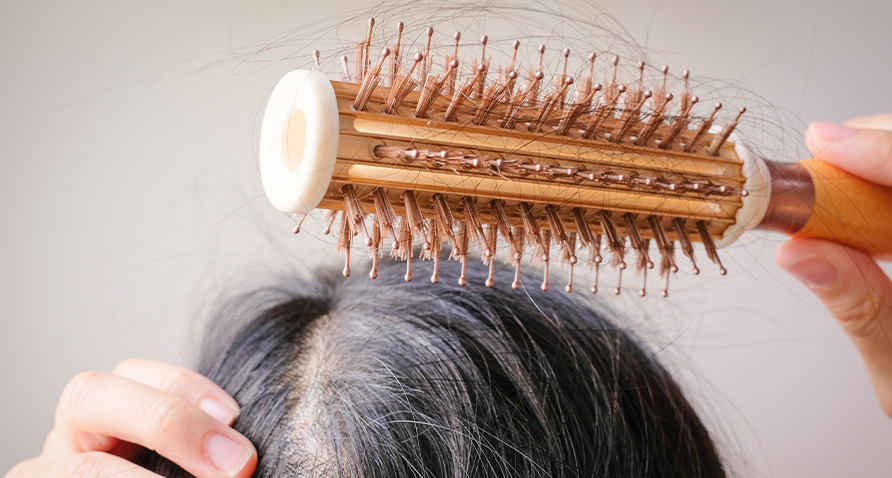
Figure 1: Hair loss can have many causes, each requiring a different type of treatment. In many cases, holistic natural measures can achieve extremely positive effects.
It is perfectly normal that we lose hair every day. However, if the amount of hair lost permanently exceeds the amount that grows back, this is referred to as hair loss. Since full hair is associated in our society with health, fertility and vitality, visible hair loss can severely affect self‑esteem. In this blog article you will learn about the different forms of hair loss and the causes they may have. We also present five holistic tips to help prevent thinning hair or to counteract existing hair loss naturally.
When is hair loss considered pathological?
Finding hair in the brush, in the shower or on the pillow every day often causes uncertainty. Is the amount of hair lost still normal, or is it already pathological hair loss? In many cases the concern is actually unfounded. What looks like a lot at first glance often corresponds exactly to the number of hairs we naturally lose every day. Our hair follows a specific life cycle that lasts around seven years in total and can be roughly divided into three phases:
- Growth phase (anagen): In healthy people, 80 to 90 per cent of hairs are in the so‑called anagen phase. In this phase, which can last two to ten years, the hair grows actively from the root.
- Transitional phase (catagen): The catagen phase follows the anagen phase. Hair growth stops and the hair root regresses. This is a relatively short phase of one to two weeks that prepares the hair for shedding.
- Resting phase (telogen): In the telogen phase, which lasts about two to four months, the hair sits loosely in the root. In total, less than 20 per cent of scalp hair should be in this final phase, which ends with the hair falling out.
After the telogen phase a new hair cycle begins. From each human hair follicle, a new hair can grow about ten to twelve times. As long as not more than 100 hairs per day are lost over the long term or there is no noticeable thinning, the hair loss is not pathological. Only when significantly fewer hairs grow back than are shed, visible gaps or bald patches are present, or accompanying symptoms such as burning, dandruff and inflammation occur, is it advisable to have suspected pathological hair loss (alopecia) medically investigated.
The different forms of alopecia
Alopecia can occur in very different forms. Possible causes of hair loss are discussed in more detail in the following section. First, the four main forms of alopecia and their typical appearance are presented here:
- Androgenetic alopecia: The majority of alopecia cases (around 95%) are hereditary hair loss. Both men and women can be affected, although androgenetic alopecia is more common in men. It usually develops between the ages of 30 and 40 and often appears in men as a receding hairline, and in women as diffuse thinning along the parting.
- Diffuse alopecia: When hair falls out evenly and without a clear cause, this is called diffuse alopecia. Possible reasons for the hair loss include nutrient deficiencies, medication intake, infections, chemotherapy, severe emotional stress or a thyroid disorder.
- Patchy (alopecia areata): As the name suggests, patchy alopecia (alopecia areata) typically appears as rounded bald patches on the scalp. In some cases the hair loss can be complete and affect the whole body. Alopecia areata is considered an autoimmune disease and often occurs in flares.
- Cicatricial (scarring) alopecia: In certain conditions such as lupus erythematosus, fungal infections or burns, scarring alopecia can occur. This form of hair loss is rare but severe. Due to inflammation, autoimmune reaction or infection, the hair root is usually completely destroyed and scarred. No new hairs can form in the affected area, making the hair loss irreversible.
From heredity to stress: possible causes of hair loss
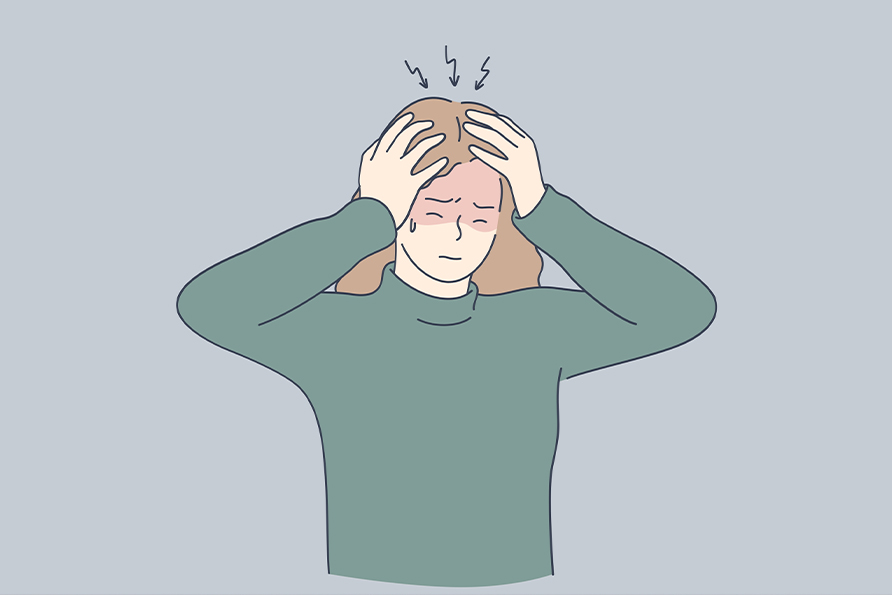
Figure 2: In addition to a hereditary predisposition, autoimmune diseases, adverse tight hairstyles and chronic stress can also promote hair loss.
The possible triggers for hair loss are extremely numerous. In addition to physical causes such as hormonal changes or autoimmune diseases, lifestyle factors such as increased stress or an unbalanced diet can also cause hair to become thinner. Below you will find a selection of common causes of hair loss.
1. Hereditary predisposition and hormonal factors
As mentioned above, heredity is the main cause of hair loss in both sexes. What exactly this hereditary hair loss is due to is not yet fully understood. It is suspected, however, that in most cases an inherited sensitivity of the hair follicles to a specific hormone (DHT) is the relevant factor triggering hair loss. DHT (5‑alpha‑dihydrotestosterone) belongs to the male sex hormones, more precisely to the androgens. Women can also have elevated testosterone or DHT levels – for example if they suffer from the widespread polycystic ovary syndrome (PCOS). However, only about one third of women with androgenetic alopecia show conspicuous androgen levels.[1]
Postpartum hair loss (postpartum effluvium) is also due to hormonal fluctuations. Female sex hormones, especially oestrogens, are usually markedly reduced about two to five months after childbirth, which can lead to increased hair loss. Hormonal changes during breastfeeding, after stopping hormonal contraception (the pill) or during the menopause can also cause hair loss.
2. Autoimmune and metabolic diseases
In patchy hair loss (alopecia areata) the body attacks its own hair roots as part of an autoimmune reaction.[2] This causes hairs to enter the telogen phase prematurely and fall out. Autoimmune or metabolic diseases can also occur as accompanying conditions or accelerating factors of alopecia.[3] In diabetes mellitus, insulin resistance or insulin deficiency can throw the natural hair cycle out of balance. In addition, chronically elevated blood sugar can potentially damage the fine blood vessels of the scalp. The result: impaired microcirculation accompanied by under‑supply of the hair follicles with oxygen and nutrients, leading to hair loss. Thyroid diseases also count among metabolic disorders that can trigger hair loss.[4] In hypothyroidism the hair often becomes brittle, thin and dry, whereas hyperthyroidism frequently causes faster, diffuse hair loss.
3. Malnutrition
Nutrient deficiency is another risk factor for hair loss.[5] With a one‑sided diet, strict slimming diets, gastrointestinal diseases, absorption disorders or anorexia, the body lacks important vitamins, minerals and trace elements. In this state of deficiency the organism prioritises vital organs, while non‑essential areas – including hair follicles – are no longer sufficiently supplied with nutrients. While iron deficiency is particularly common in menstruating women, a lack of vitamin B12 or zinc is a common reason for hair loss in vegans or vegetarians.
4. Mechanical influences
Persistent mechanical traction on the hair root, as occurs with tight braids, ponytails or tight buns, can also lead to hair loss (traction alopecia). The same applies to hair extensions that are worn too long or not professionally and gently integrated into natural hair. Trichotillomania is also among the mechanical triggers of hair loss. This is a body‑focused repetitive behaviour disorder in which those affected pull out their own hair.
5. Chronic stress and psychological strain
The influence of stress and psychological problems on the appearance of hair should not be underestimated. The causal links between stress and hair loss are not yet fully understood. However, studies show that increased release of the stress hormone cortisol can inhibit hair growth.[6] It is suspected that other stress hormones such as noradrenaline may also lead to premature, mostly diffuse hair loss by triggering neurogenic inflammation at the hair follicles. The good news is: unlike other forms of hair loss such as androgenetic alopecia, stress‑related hair loss is reversible. When chronic stress ends, the hair usually regrows normally.
Diagnosis and conventional therapies for hair loss
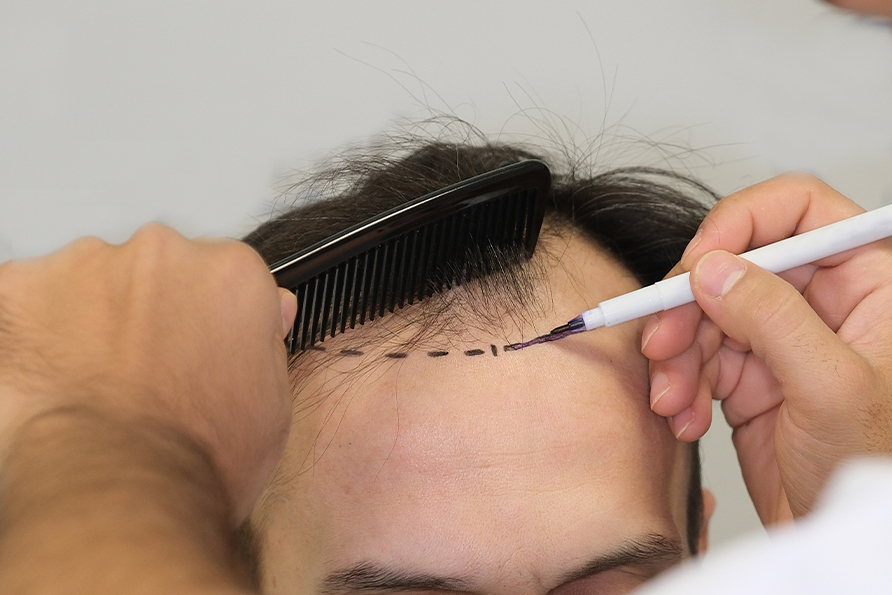
Figure 3: In conventional medicine, hair loss is usually treated pharmacologically or even surgically by hair transplantation.
If significantly more hair falls out over a longer period than grows back, a visit to the doctor is advisable. General practitioners typically begin with a detailed medical history when alopecia is suspected. Based on the individual medical history and information on medications, hormonal contraception or hereditary predisposition, many potential triggers can already be identified or ruled out. The physical examination includes, among other things, inspection of the scalp, the distribution of hair loss and hair density on other body areas (e.g. eyebrows, eyelashes, arm and leg hair).
Other important diagnostic procedures are trichoscopy and trichogram. In trichoscopy the scalp and hair roots are examined under a microscope, while in a trichogram 20 to 50 hairs are plucked from different areas of the scalp and also analysed under a microscope. The aim of the trichogram is to determine the hair growth phases. If fewer than 80 per cent of all hairs are in the anagen phase and accordingly over 20 per cent are in the final telogen phase, increased hair loss is present.
A blood test is also common when clarifying alopecia. Typically, values such as ferritin, zinc and vitamin D3 are measured, but thyroid, stress and sex hormones may also be tested if indicated. Therapy is adapted to the identified cause of hair loss. Depending on the diagnosis, it may be sensible to consult a specialist in dermatology, endocrinology or psychotherapy afterwards.
The range of conventional medical therapies for hair loss is large. For hereditary hair loss, the antihypertensive drug minoxidil is often used to slow progressive hair loss and promote the growth of new hair. Men with androgenetic alopecia are also often prescribed finasteride. The drug inhibits the enzyme 5‑alpha‑reductase, which converts testosterone into the potentially hair loss‑promoting hormone DHT.[7] For patchy hair loss, topical corticosteroids are one of the most widespread conventional treatment approaches. In cases of very severe hair loss, a hair transplant is also conceivable. However, as with many medications for hair loss, there is a risk of side effects.
Treating and preventing hair loss naturally: 5 holistic tips

Figure 4: Many forms of hair loss can be effectively counteracted and prevented with gentle and natural measures.
Hair loss does not always have to be treated medically or surgically. Often it is a symptom of an imbalance of the entire organism. If it is possible to restore the body's own balance, this often benefits the hair. It is also important to emphasise that naturopathic measures can only help to a limited extent for some forms of hair loss, such as hereditary or patchy alopecia. The following tips are suitable for preventing hair loss and for those forms of alopecia that are attributable to modifiable lifestyle factors such as diet, contraception or stress management.
- Focus on a balanced diet with biotin, zinc and selenium: If you want to strengthen your hair and prevent hair loss, you should definitely keep an eye on and, if necessary, optimise your supply of vital nutrients. According to the European Food Safety Authority (EFSA), biotin (vitamin B7), zinc and selenium contribute to the maintenance of normal hair.[8] In addition, an alkaline‑rich diet and avoiding toxins such as alcohol and nicotine are recommended. Although dietary supplements may sometimes be useful, caution is advised with inexpensive hair supplements commonly sold in pharmacies and drugstores. These often contain the relevant nutrients in too low a dosage. Also regarding diet and supplementation, positive effects are only possible for certain forms of alopecia. As the Federal Institute for Risk Assessment (BfR) points out, there are no special dietary requirements or additional nutrient needs from a medical perspective for people with androgenetic alopecia.[9]
- Strengthen your gut microbiome: An imbalanced microbiome can have negative effects on the entire organism and not least on the hair. This is partly because the gut is central to the absorption and utilisation of nutrients. An intact gut flora contributes, for example, to the formation of B vitamins – including biotin (vitamin B7), known as the "hair vitamin".[10] Furthermore, the microbiome is involved in regulating the immune system and hormone levels as well as modulating inflammatory processes. To strengthen your microbiome and thereby your hair, you should regularly consume fibre‑rich foods and fermented products (e.g. sauerkraut, kimchi, kefir). Animal studies have also shown a positive effect on hair growth from taking probiotics.[11]
- Reduce stress: Good stress management is the most important lever for preventing and combating stress‑related hair loss. Yoga, meditation, autogenic training or targeted breathing exercises are techniques that have proved effective. Sufficient and good‑quality sleep is also essential for regeneration.
- Avoid tight braids or hair‑damaging styling: Strong traction on the hair can strain the scalp and lead to increased hair loss. Therefore avoid tightly pulled braids and other tight hairstyles. Similarly, heat from blow‑drying, intense styling with straighteners or curling tongs and hair extensions should be used with great caution or avoided to prevent hair loss.
- Care for your hair gently and naturally: The care products you use for your hair should be free from preservatives and perfume. Such products can particularly aggravate or promote hair loss in sensitive scalps. Prefer shampoos, conditioners and hair dyes with purely natural ingredients.
Disclaimer
This article does not replace treatment by a qualified therapist. This contribution is based on studies and current literature. It must not be used for self‑diagnosis or self‑treatment. Discuss any inspirations you take from this article with a therapist you trust.
Biographical
Katharina Korbach regularly writes blog posts on medicinal plants and natural active ingredients for the Narayana Verlag. She became interested in language early on and began writing her own literary texts. A serious illness during her final school year prompted an intensive engagement with health and nutrition issues, which continues to this day. After repeated failure of conventional medical treatments, she decided on a more self‑empowering naturopathic therapeutic approach. A plant‑based diet was an essential key on her path to recovery.
Katharina studied Cultural Studies (B.A.) and Applied Literary Studies (M.A.). In 2022 she published her debut novel "Sperling" with Berlin Verlag. Today she lives in Berlin as a freelance writer, medical editor and lecturer. In her free time she enjoys spending time with friends or doing barre training. She also loves travelling and trying out new vegan recipes.
[1] Starace M, Orlando G, Alessandrini A, Piraccini BM. Female Androgenetic Alopecia: An Update on Diagnosis and Management. Am J Clin Dermatol. 2020 Feb.
[2] Darwin E, Hirt PA, Fertig R, Doliner B, Delcanto G, Jimenez JJ. Alopecia Areata: Review of Epidemiology, Clinical Features, Pathogenesis, and New Treatment Options. Int J Trichology. 2018 Mar‑Apr. https://pubmed.ncbi.nlm.nih.gov/29769777/.
[3] Wiwanitkit S, Wiwanitkit V. Alopecia due to common metabolic diseases. Diabetes Metab Syndr. 2013 Apr‑Jun. https://pubmed.ncbi.nlm.nih.gov/23680253/.
[4] Hussein RS, Atia T, Bin Dayel S. Impact of Thyroid Dysfunction on Hair Disorders. Cureus. 2023 Aug 10. https://pubmed.ncbi.nlm.nih.gov/37692605/.
[5] Guo EL, Katta R. Diet and hair loss: effects of nutrient deficiency and supplement use. Dermatol Pract Concept. 2017 Jan 31. https://pubmed.ncbi.nlm.nih.gov/28243487/.
[6] Thom E. Stress and the Hair Growth Cycle: Cortisol-Induced Hair Growth Disruption. J Drugs Dermatol. 2016 Aug 1. https://pubmed.ncbi.nlm.nih.gov/27538002/.
[7] Zito P, Bistas K, Patel P, Syed K. Finasteride. StatPearls Publishing. 2025 Jan. https://www.ncbi.nlm.nih.gov/sites/books/NBK513329/ (accessed: 08.08.2025).
[8] EFSA: EU register of health claims. https://food.ec.europa.eu/food-safety/labelling-and-nutrition/nutrition-and-health-claims/eu-register-health-claims_en (accessed: 08.08.2025).
[9] Federal Institute for Risk Assessment (BfR) (2025). Can a special diet stop hereditary hair loss? Statement No. 012/2025. https://www.bfr.bund.de/stellungnahme/kann-eine-besondere-ernaehrung-einen-erblich-bedingten-haarausfall-aufhalten/ (accessed: 04.08.2025).
[10] Magnúsdóttir S, Ravcheev D, de Crécy‑Lagard V, Thiele I. Systematic genome assessment of B‑vitamin biosynthesis suggests co‑operation among gut microbes. Front Genet. 2015 Apr 20. https://pubmed.ncbi.nlm.nih.gov/25941533/.
[11] Levkovich T, Poutahidis T, Smillie C, Varian BJ, Ibrahim YM, Lakritz JR, Alm EJ, Erdman SE. Probiotic bacteria induce a 'glow of health'. PLoS One. 2013. https://pubmed.ncbi.nlm.nih.gov/23342023/.
Figure 1: PattPaulStudio/shutterstock.com ; Figure 2: Vectorium/shutterstock.com ; Figure 3: health photographer/shutterstock.com ; Figure 4: monticello/shutterstock.com
21.08.2025

