|
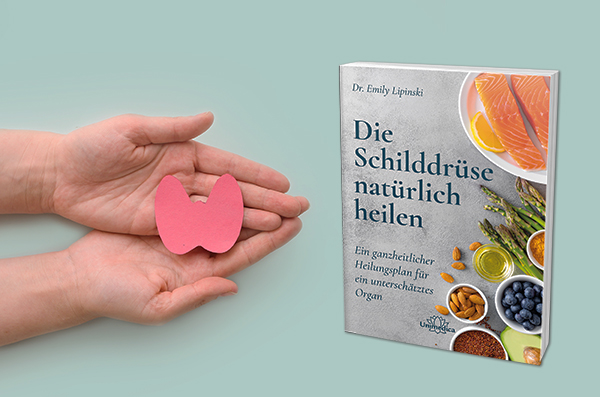
Excerpt from Heal Your Thyroid Naturally by Dr Emily Lipinski
An estimated 200 million people worldwide suffer from a thyroid disorder. In particular, hypothyroidism occurs more frequently in women, and it is thought that one in eight women worldwide will develop a thyroid disorder during her lifetime! That is a lot. It is not surprising that the gut plays a major role in thyroid health. 7 key factors for creating a healthy gut
Reduce inflammationInflammation in the gastrointestinal tract is closely linked to our diet. As mentioned, food intolerances can lead to unwanted changes in our gut bacteria and increase inflammation in the body. By eliminating the most common offending foods from the diet and then reintroducing them, we can learn a great deal about which foods trigger an inflammatory response in the body. Inflammation is also associated with infections and undiagnosed conditions such as coeliac disease. Reduce toxinsToxins include pesticides, cigarette smoke, refined/processed foods, etc. Large amounts of alcohol (more than 4–5 times a month and/or more than 8 drinks per week for women or more than 15 drinks per week for men) can also kill off beneficial tenants. Reducing your toxic load helps not only the thyroid but also the microbes! Increase your fibre intakeStudies have shown that consuming fibre increases the amount of healthy bacterial species such as lactobacilli and bifidobacteria. Fibre also increases gut diversity. Remember that short-chain fatty acids (SCFAs) are produced when beneficial bacteria ferment fibre in the gut. By eating more fibre we can raise our SCFA levels. These SCFAs help heal the gut barrier. They also help reduce the growth of Salmonella and E. coli. See page 145 for an overview of high-fibre foods. Supplement with probiotics
Taking probiotic supplements can help ensure you get adequate amounts of the right types of bacteria known to be beneficial for gut health. Probiotics are essentially microorganisms such as bacteria and yeasts that we take orally. Research has shown that taking a probiotic helps balance and increase the variety of microbial species in the gut, reduce pathogens and their toxins, and promote the restoration of healthy bacteria after a course of antibiotics. Probiotics also help protect and restore the gut barrier by reducing intestinal permeability and thus become a key element in the treatment of conditions such as Hashimoto’s thyroiditis. Probiotics have shown benefits in many inflammatory and autoimmune conditions in both animal and human studies. Which type of probiotic is best? If you have ever glanced at the probiotic shelf in a health food store, you may have been overwhelmed by how many different types and options there are. I suggest starting with a combination of ten of the most well-researched probiotic strains. These strains belong to the Lactobacillus and Bifidobacterium species of probiotics: Bifidobacterium animalis subsp. lactis (UABla-12) Lactobacillus plantarum (UALp-05) Lactobacillus acidophilus (DDS-1) Bifidobacterium breve (UABbr-11) Lactobacillus casei (UALc-03) Lactobacillus paracasei (UALpc-04) Lactobacillus rhamnosus (GG) Lactobacillus salivarius (UALs-07) Bifidobacterium bifidum (UABb-10) Bifidobacterium longum subsp. longum (UABI-14)
Over the years I have tried many different types and combinations of probiotics and have consistently achieved the best results with this combination: Saccharomyces boulardii, a yeast-like probiotic, has been shown to be effective in treating Blastocystis hominis and H. pylori (as discussed on pages 89 and 90) and can be especially beneficial for those struggling with diarrhoea. Consider other forms of supplementation.Many supplements can also be helpful for gut health, particularly for healing intestinal permeability. See page 191 for supplementation options. Eat fermented foodsFermented foods are another good way to increase healthy gut microbes. During fermentation beneficial bacteria break down foods and make them rich in enzymes and nutrients. In addition, these bacteria are beneficial for our gastrointestinal tract and have been found helpful for a range of GI conditions, including irritable bowel syndrome. Historically, fermenting vegetables has been common practice in many countries around the world. Today, however, people in the Western world consume far fewer fermented foods than their ancestors. Fermented vegetables such as carrots, beets and cabbage (think kimchi and sauerkraut), as well as kombucha and kefir, are excellent and tasty options to include in your diet. Fermented foods are only helpful if they contain active, live cultures of beneficial bacteria. Many are heated and no longer contain these healthy microbes once on the shelf, or they contain only a very small amount that is insufficient to truly influence the gut. That is why it is helpful to buy fermented foods from the chilled section of the store. You can also look for labels stating “unpasteurised” or “live enzymes”. If you have SIBO, fermented foods may worsen your symptoms and are best avoided until SIBO has been treated. Have your medications reviewed.As mentioned earlier, many medications can be harmful to the gut. Talk to your doctor about the options that are best for you. The next chapter looks in depth at medications.
Source: By Dr Emily Lipinski Excerpt from Heal Your Thyroid Naturally published by Narayana Verlag 2022, preview
|