|
Proven remedies Cataract - the grey cataract and its homeopathic treatmentby Dr. Zulfiqar Ahmed Rao
|
|
|
Cataract |
Causes of cataract The lens of the eye is normally clear. Opacification of the lens is known as cataract. Congenital cataract is extremely rare. It may be hereditary or caused by maternal viral infections (such as rubella) during pregnancy. |
|
In adults a cataract usually develops only with advancing age and may occur more frequently within families. Cataract occurs more often in people exposed to environmental factors such as cigarette smoke or other toxic substances. It can also develop after an eye injury. Cataract is more common in metabolic disorders such as diabetes. Certain medicines, for example corticosteroids, can also accelerate the onset of cataract. Most people develop lens opacities only after the age of 60. Approximately 50% of people aged 65–74 and about 70% of those 75 years and older have cataract.
|
|
|
|
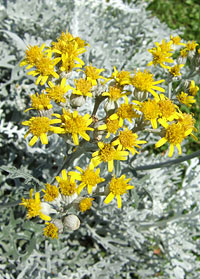
The homeopathic treatment of cataract The homeopathic remedies described below have proved effective in many cases of cataract. Homeopathy is particularly helpful when cataract is diagnosed at an early stage. Many scientific studies support the effect of homeopathic treatment in this context. The Scottish ophthalmic surgeon John Burdon-Cooper already reported in 1938 on the efficacy of Cineraria Maritima Succus eye-drops (Senecio cineraria). Powell also mentions his success with Cineraria Maritima Succus eye-drops and other homeopathic remedies in the treatment of cataract. |
|
A study published in the British Homeopathic Journal reports a 60 per cent success rate with the use of Cineraria Maritima Succus eye-drops in cataract. In animal experiments in Philadelphia the USA have also confirmed the efficacy of this remedy in preventing and treating cataract. The remedy has no side effects. The great advantage of a possible homeopathic therapy for cataract without surgical intervention is a blessing for us all. Proven homeopathic remedies and their indications:
|
|
|
|
Bryonia alba: Cataract with stabbing, drawing pains that are aggravated by movement and relieved by rest; dryness of the conjunctiva; cataract with glaucoma. Calcium carbonicum: Cataract with visual clouding as if looking through mist, light sensitivity, tearing in the early morning and in fresh air.
|
|
Calcium fluoricum: Flickering and sparkling before the eyes; spots on the cornea; cataract with conjunctivitis. Calcium iodatum: Cataract with inflammation of the lacrimal glands; conjunctivitis with thickened eyelids. Cannabis sativa: Cataract with nervous disturbances following abuse of alcohol and tobacco; the patient senses impending blindness. Conium maculatum: Fear of light and excessive tearing; blurred vision worse from artificial light; sweating when the patient closes the eyes. |
|
|
|
Euphrasia: Cataract with watery eyes; acrid discharge from the eyes; cataract with blisters on the cornea. Natrium muriaticum: Early-stage cataract; cataract with headaches; pain in the eyes when looking down; dry conjunctiva; weak ocular muscles and tension pain in the eye with pain in the neck: C6, C12, C30 and higher.
|
|
Phosphor: Cataract with the sensation as if everything were covered with mist or dust; a feeling as if something firm were drawn over the eyes; sees a green halo around candlelight; the patient sees better when shading the eyes with the hand; letters appear red; cataract due to tobacco abuse. Pulsatilla: Cataract with eye inflammation; abundant, thick, yellow discharge; eyelids inflamed and stuck together. Rhus toxicodendron: Cataract resulting from trauma; photophobia associated with copious yellowish pus; pain on eye movement; old eye injury.
|
|
|
Original article Cataract
|
|
|
|
|
|
|
|