
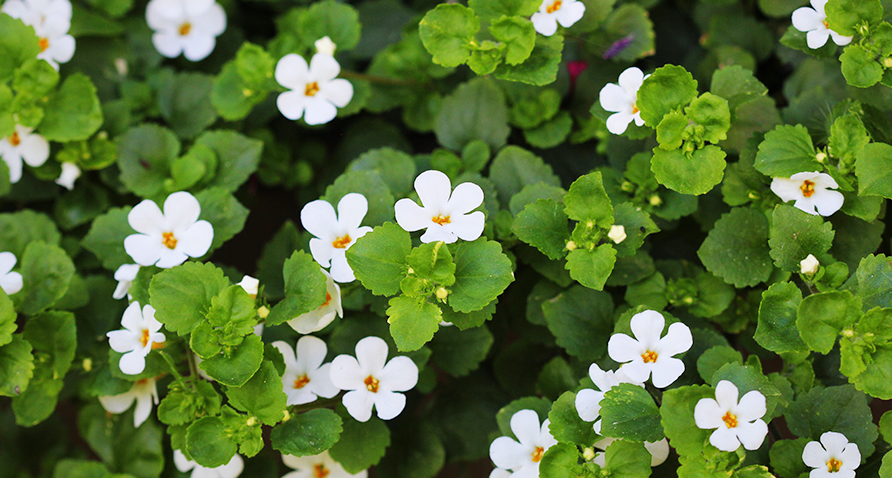
Figure 1: In Ayurvedic medicine, Brahmi has been used for almost 3,000 years. Among other things, the medicinal plant is said to strengthen memory and relieve inner restlessness.
As a traditional medicinal plant, Brahmi has been valued in Ayurveda for hundreds of years. The herb is purported to help improve cognitive abilities and reduce stress. In this blog article we examine whether Brahmi is actually effective in the treatment and prevention of memory disorders such as dementia. You will also learn which valuable ingredients are contained in the medicinal herb and what to look for when choosing a Brahmi supplement.
What is Brahmi?
Brahmi (Bacopa monnieri) is a plant in the plantain family that thrives mainly in the tropics and subtropics. The plant primarily grows in moist riverbank or swamp areas, for example in India, Africa, the Americas, Australia and Vietnam. Because winters in Europe are too cold for the herb, Brahmi is not found in the wild here. However, it is possible to keep the medicinal herb as a potted plant. As a semi-aquatic plant, Brahmi also does well in aquaria.
The thick green leaves of Brahmi resemble succulents and have earned the plant the nickname “Little Fat Leaf”. The plant’s name originally derives from “Brahma”, the Hindu creator god. Brahmi has been used in Ayurveda for almost 3,000 years and is valued for its health-promoting properties. In Ayurvedic medicine the leaves of the medicinal herb are traditionally used to prevent and treat various conditions as well as to reduce stress and anxiety.[1]
The “Little Fat Leaf” and its valuable ingredients
The valuable active compounds of Bacopa monnieri are mainly found in the plant’s leaves. In particular, the flavonoids contained (e.g. apigenin and luteolin) are attributed health-promoting properties. With regular consumption, these secondary plant compounds have been shown in studies to be able to reduce the risk of developing cancer and heart disease.[2] Brahmi also contains the saponins bacoside A and bacoside B, which serve the plant as a deterrent against herbivores. In the human body, bacosides may support the transmission of nerve impulses and the repair of damaged nerve cells.[3] In addition, Brahmi contains phytosterols, triterpenes and alkaloids such as brahmin.
Effects and common uses of Brahmi

Figure 2: As several studies show, Brahmi can improve cognitive functions such as overall memory performance, comprehension and concentration.
Brahmi is classified among so-called nootropics. A nootropic is a plant-derived substance that acts on the central nervous system and whose intake can have a positive effect on brain functions such as memory, comprehension or concentration. The ingredients of Brahmi are also said to have antioxidant, antimicrobial, liver- and heart-protective as well as anti-inflammatory effects.
Although some investigations into the mechanisms of action of Brahmi exist, these often involved only small groups of participants. Larger clinical trials would be desirable. Below we present some of the main applications and potential effects of Brahmi.
Cognitive performance
Brahmi more than lives up to its reputation as a “memory herb”: numerous studies have shown that taking Brahmi can improve memory performance. In a double-blind, placebo-controlled study, 46 participants took either 300 milligrams of Bacopa monnieri or a placebo for several weeks. After twelve weeks, the participants who had taken Brahmi were able to recall newly learned information significantly better and process visual information more quickly compared with the placebo group.[4] Researchers suspect that this promising effect is due to Brahmi stimulating the renewal of brain and nerve cells.
Several clinical studies with older adults also suggest that Brahmi may slow the progression of dementias such as Alzheimer’s and help prevent their onset. In one study, 60 people with an average age of 62 years were given 300 or 600 milligrams of Brahmi extract daily or a placebo. After three months, working memory had improved significantly in the groups that had taken Brahmi compared with the placebo group.[5]
ADHD
In the treatment of attention deficit hyperactivity disorder (ADHD), the medication Ritalin is usually used. By blocking certain neurotransmitters, it can counteract typical ADHD symptoms such as short attention span, hyperactivity and distractibility. Studies on children and adolescents with ADHD suggest that Brahmi could have a similar effect to Ritalin. In an Indian study, 13 children with ADHD aged between 6 and 12 years received a teaspoon of Brahmi with ghee on an empty stomach daily or Ritalin. After three months there was no significant difference between the two groups. The children studied were more attentive, less impulsive and often achieved better school performance.[6] The result gives hope that Brahmi could be used in the future as a natural and low-side-effect alternative to Ritalin.
Stress and anxiety reduction
In Ayurveda and naturopathy, Brahmi has long been used to reduce stress and anxiety. The plant is classified as an adaptogen, a group that also includes, for example, ashwagandha, Panax ginseng and medicinal mushrooms such as reishi and cordyceps. The natural plant compounds can help the body adapt better to stressful situations.
However, clinical human studies confirming Brahmi’s potential stress-reducing effect are also lacking in this area. The few existing studies, however, suggest that Brahmi may help reduce stress and inner restlessness by contributing to a reduced release of the stress hormone cortisol. Animal studies in rats showed that Brahmi was able to reduce anxiety almost as effectively as the prescription drug benzodiazepine.[7] Compared with psychotropic drugs such as benzodiazepines, taking Brahmi is, however, associated with few side effects and a much lower addiction potential.
Antioxidant effect
The bacosides (bacoside A and bacoside B) contained in Brahmi are particularly credited with strong antioxidant properties. The compounds can neutralise harmful free radicals in the body and prevent lipid peroxidation, the reaction of fat molecules with free radicals. Lipid peroxidation is considered a common trigger of many neurodegenerative diseases such as Alzheimer’s and Parkinson’s. A study in rats confirmed that the antioxidant compounds in Brahmi reduce damage caused by free radicals and can help prevent dementia.[8]
Tips for choosing a Brahmi supplement
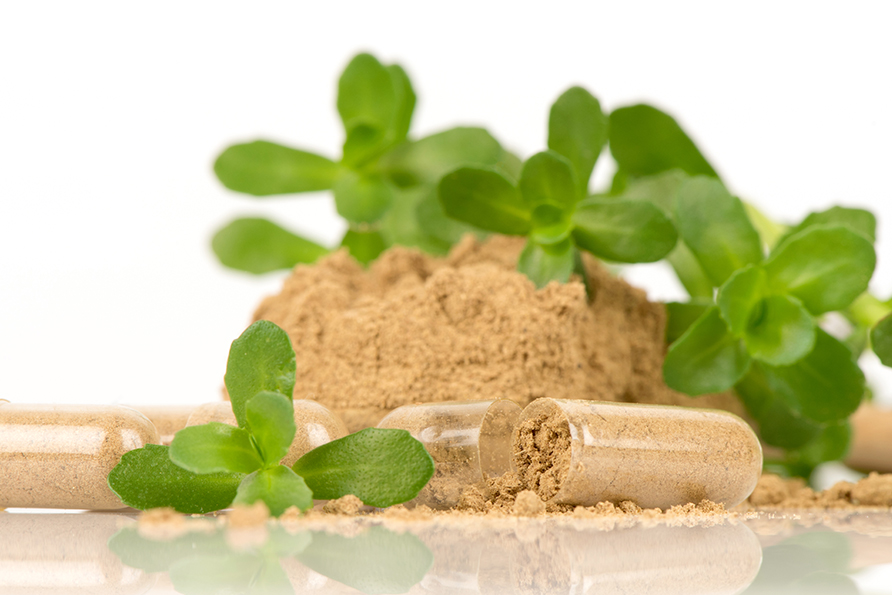
Figure 3: When buying a Brahmi product, you should among other things pay attention to organic quality and the purity of the product.
If you want to take Brahmi as a dietary supplement, you can choose between capsules, powder or liquid extracts of Bacopa monnieri. You can also grow the plant yourself and consume the leaves directly. However, it should be noted that care and cultivation are quite complicated and therefore recommended only for experienced botanists. In addition, the leaves have a bitter taste due to their bitter compounds, which many people find an acquired taste. Many therefore opt for Brahmi capsules, which offer a convenient and less taste-intensive way to take it. Prefer a product of organic quality to exclude pesticide contamination. You should also pay attention to the purity of the product and any additives. The vegan Organic Brahmi capsules from Unimedica contain 100% pure Brahmi powder from organic cultivation. Per daily dose (2 capsules) they provide 1000 milligrams of organic Brahmi powder.
The valuable plant compounds in Brahmi also make the medicinal plant a popular component in active-ingredient complexes. The Siebenschläfer capsules from Unimedica contain, in addition to Brahmi, six other ingredients that are intended to support falling asleep and restful nights. Among other things, the amino acid L-tryptophan, selected B vitamins, high-quality plant extracts and melatonin, known as the “sleep hormone”, are included.
How to take and dose Brahmi preparations correctly
As there are no official dosing recommendations for Brahmi, it makes sense to determine an individually appropriate dose in consultation with your doctor. It is best to start with a low daily dose. If you tolerate the product well, you can increase the dosage if necessary. In general, be patient when using Brahmi, as effects usually only appear after 8 to 12 weeks. Brahmi capsules are usually taken on an empty stomach with sufficient fluid. If you have a sensitive stomach or want to prevent gastrointestinal complaints, taking them with a meal is also possible. Brahmi powder can, for example, be mixed into a smoothie. It makes sense to combine the powder with a sweet component, for example a ripe banana, to mask the bitter taste of the Brahmi leaves.
Side effects and contraindications
At the recommended dosages, taking Brahmi preparations is considered safe and harmless for healthy adults. Caution is advised, however, if you are taking other nootropics or prescription medications such as antidepressants or ADHD medications at the same time. In this case, and in the event of an overdose of Brahmi, side effects such as headaches, gastrointestinal problems and tiredness may occur. Allergic reactions are also possible, usually manifesting as itching, rash or shortness of breath. Due to a lack of studies on compatibility during pregnancy and breastfeeding, pregnant and breastfeeding women should refrain from using Brahmi as a precaution. People with thyroid disease or a slowed heart rate (bradycardia) are also advised not to take it.
[1] Russo A, Borrelli F. Bacopa monniera, a reputed nootropic plant: an overview. Phytomedicine. 2005 Apr. https://pubmed.ncbi.nlm.nih.gov/15898709/.
[2] Nicola P. Bondonno, Jonathan M. Hodgson et al., Flavonoid intake is associated with lower mortality in the Danish Diet Cancer and Health Cohort. Nature Communications, 2019.
[3] Sukumaran NP, Amalraj A, Gopi S. Neuropharmacological and cognitive effects of Bacopa monniera (L.) Wettst - A review on its mechanistic aspects. Complement Ther Med. 2019 Jun.
[4] Stough C, Lloyd J, Clarke J, Downey LA, Hutchison CW, Rodgers T, Nathan PJ. The chronic effects of an extract of Bacopa monniera (Brahmi) on cognitive function in healthy human subjects. Psychopharmacology (Berl). 2001 Aug. https://pubmed.ncbi.nlm.nih.gov/11498727/.
[5] Peth-Nui T, Wattanathorn J, Muchimapura S, Tong-Un T, Piyavhatkul N, Rangseekajee P, Ingkaninan K, Vittaya-Areekul S. Effects of 12-Week Bacopa monnieri Consumption on Attention, Cognitive Processing, Working Memory, and Functions of Both Cholinergic and Monoaminergic Systems in Healthy Elderly Volunteers. Evid Based Complement Alternat Med. 2012. https://pubmed.ncbi.nlm.nih.gov/23320031/.
[6] Bhalerao S, Munshi R, Nesari T, Shah H. Evaluation of Br?hm? gh?tam in children suffering from Attention Deficit Hyperactivity Disorder. Anc Sci Life. 2013 Oct. https://pubmed.ncbi.nlm.nih.gov/25284947/.
[7] Bhattacharya SK, Ghosal S. Anxiolytic activity of a standardized extract of Bacopa monniera: an experimental study. Phytomedicine. 1998 Apr. https://pubmed.ncbi.nlm.nih.gov/23195757/.
[8] Saini N, Singh D, Sandhir R. Neuroprotective effects of Bacopa monnieri in experimental model of dementia. Neurochem Res. 2012 Sep. https://pubmed.ncbi.nlm.nih.gov/22700087/.
Figure credits: Figure 1: vaivirga/Shutterstock.com; Figure 2: arrowsmith2/Shutterstock.com; Figure 3: wasanajai/Shutterstock.com

