
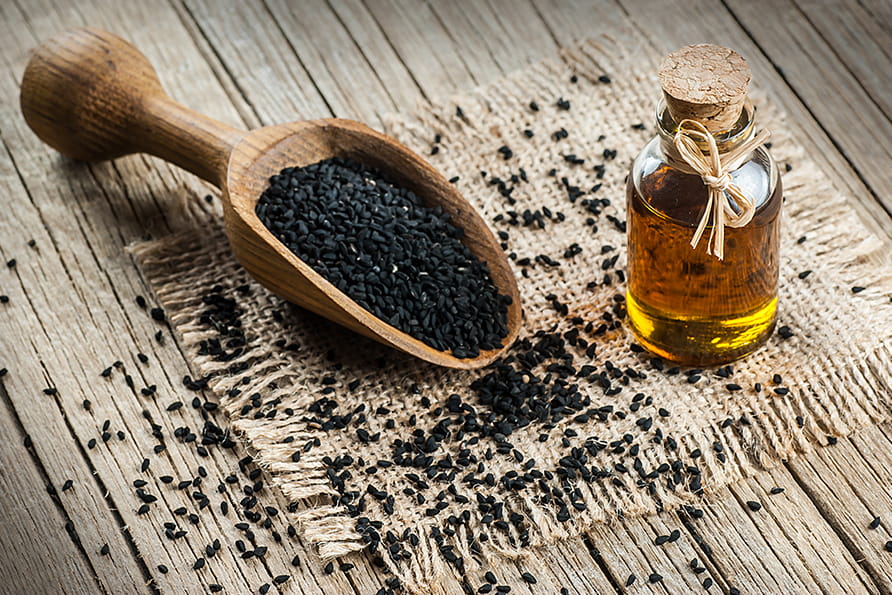
Figure 1: Black seed was already valued in antiquity as a versatile medicinal plant. The oil pressed from the seeds is considered particularly valuable.
Black seed (Nigella sativa) is a versatile remedy that is said to be effective for conditions such as diabetes, high blood pressure and asthma. The oil obtained from the seeds of the black seed is often used in the kitchen or as a food supplement. In this blog article you will learn what else distinguishes black seed, in which areas this spice and medicinal plant is frequently used, and what you should bear in mind when buying products containing black seed.
True black seed: spice and medicinal plant with a long tradition
The ancient Egyptians already attributed healing properties to black seed and called black seed oil the “gold of the pharaohs”. The healing power of the plant is rooted in many world religions. Among other things, the Prophet Muhammad is said to have recommended black seed as a remedy. Through the translation of old medical texts in the Middle Ages, black seed also became an important part of traditional medicine in Europe. However, the medicinal plant gradually fell into obscurity before receiving renewed attention in recent years due to new research, particularly on black seed oil.
Although its name might suggest otherwise, black seed (Nigella sativa) is not related to true cumin or cumin (Cuminum cyminum). While the latter are members of the Apiaceae family, black seed belongs to the Ranunculaceae family. The plant originally comes from West Asia and the Mediterranean. Its characteristic flavour – a mix of anise and pepper – is especially present in oriental cuisine. But black seed is also popular here for seasoning salads, dips, flatbreads or baked goods.
The valuable constituents of black seed
Black seed contains over a hundred active compounds that can support the health of humans and animals. The most important constituents of black seed include:
- Unsaturated fatty acids: In addition to the omega-3 fatty acid alpha-linolenic acid, black seed oil contains valuable omega-6 fatty acids. Linoleic acid (an omega-6 fatty acid) and gamma-linolenic acid are polyunsaturated fatty acids that form an important part of cell membranes and are involved in blood pressure regulation. Unsaturated fatty acids can also lower cholesterol levels and thus help prevent cardiovascular disease. In cold-pressed black seed oil, in addition to linoleic acid (approx. 57%), the monounsaturated oleic acid (approx. 22%) and palmitic acid (approx. 14%) are also present.
- Secondary plant compounds: The essential oils of black seed contain the special secondary plant compound thymohydroquinone (also called thymoquinone). This is responsible for the intense flavour of the seeds and has anti-inflammatory and antimicrobial effects.
- Vitamins, minerals and trace elements: Trace elements such as zinc, chromium, vanadium, manganese and selenium are found in black seed, as well as the minerals calcium and magnesium. Some B vitamins, vitamin A, vitamin C, vitamin E, biotin and folic acid are also present.
- Amino acids: Black seed contains almost all the amino acids essential for the human body, such as arginine, asparagine, glycine, phenylalanine, serine, tyrosine and valine.
Black seed and its health effects
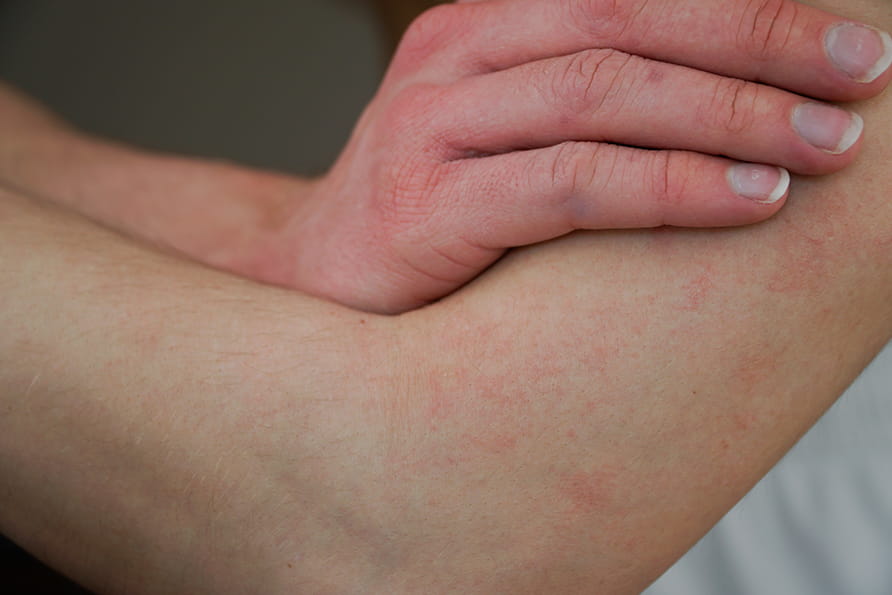
Figure 2: The applications of black seed are extremely diverse. Among other things, the natural remedy is used for asthma, diabetes and various skin conditions.
It is no wonder that black seed has been valued as a traditional remedy since antiquity. The plant has anti-inflammatory, antioxidant, antibacterial, antiviral and cell-protective effects.[1] Because of its diverse effects, black seed is considered a true “all-rounder” among medicinal plants and is used for numerous health complaints.
Diabetes
Black seed can lower blood glucose levels and increase insulin responsiveness. In a double-blind, randomised study, 25 participants with diabetes mellitus were given 1000 mg black seed oil over eight weeks (2x daily one capsule à 500 mg). A control group of 25 participants took a placebo.
Afterwards, the fasting blood glucose of the black seed group had decreased from an average of 219 mg/dl to an average of 153 mg/dl. The “bad” LDL cholesterol, which can promote inflammation of the vessel walls, also fell significantly from 121 to 104 mg/dl. The “good” HDL cholesterol, which can reduce the risk of heart attack and stroke, increased among the participants from an average of 46 to 52 mg/dl. No notable changes in cholesterol levels were observed in the placebo group.[2]
Autoimmune diseases
Because of its antioxidant and immunomodulatory effects, black seed is often used for autoimmune diseases such as rheumatoid arthritis or Hashimoto’s thyroiditis.
In a placebo-controlled study, 40 women with rheumatoid arthritis took two starch-filled capsules daily for one month. In the following month, the women received 500 mg black seed oil twice daily. Joint swelling and the duration of morning stiffness decreased significantly with the intake of black seed oil. The additional administration of black seed oil in the treatment of rheumatoid arthritis therefore appears to be sensible.[3]
In Western countries, the autoimmune disease Hashimoto’s thyroiditis is the most common cause of an underactive thyroid. The body’s hormone production becomes unbalanced, typically accompanied by symptoms such as feeling cold, fatigue and weight gain. In a study, 40 Hashimoto’s patients aged between 22 and 50 years took either 2 g black seed powder daily or a placebo for 8 weeks. After eight weeks, the weight and BMI of the participants who had taken the powder had decreased. The elevated TSH concentrations in serum had decreased in this group and T3 concentrations had increased.[4]
Asthma and other allergic conditions
A number of studies point to an anti-asthmatic and anti-allergic effect of black seed. For allergic conditions such as asthma, hay fever, house dust allergies and atopic eczema, black seed may potentially provide relief.
In a single-blind study, asthma patients were randomised to receive either 1 g or 2 g black seeds daily or a placebo for three months, in addition to their usual inhalation therapy. Six and twelve weeks after daily intake of 2 g black seeds, vital capacity and forced expiratory volume in one second had increased significantly, while the number of asthma attacks had dropped significantly.[5]
Because of these positive results, some researchers suspect that black seed could be a useful adjuvant (i.e. a substance that enhances the effect of a medicinal product) for allergy sufferers. However, further clinical trials are needed to confirm this.
Atopic dermatitis and acne
The unsaturated fatty acids contained in black seed oil can help support the skin in cell renewal. The oil is used not only for general skin care but also for treating chronic skin conditions such as atopic dermatitis and psoriasis. Although definitive clinical trials are lacking, it is suspected that black seed, due to its immunoregulatory and anti-inflammatory properties, can relieve the itching typical of these conditions.
In a study involving 40 women with acne, one-month treatment with black seed showed improvements in subjective and objective outcome measures. The study used a mixture of black seed, ammonium chloride, sodium tetraborate and vinegar, which has been used in Iran for centuries as a traditional remedy for skin irritations.[6]
Applications of black seed and black seed oil
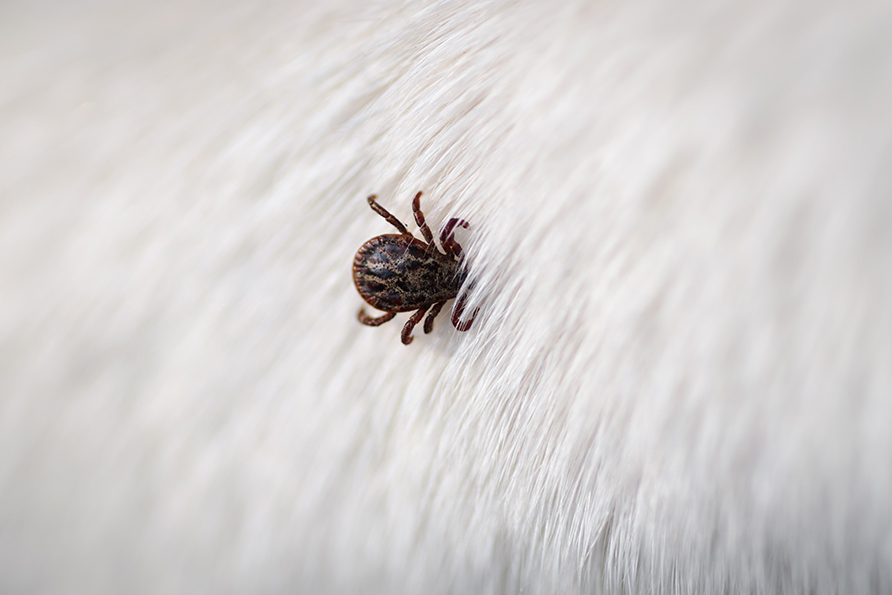
Figure 3: In addition to medical use, black seed is also a popular spice and serves as a natural tick repellent for dogs and horses.
Treating specific conditions is by no means the only area where black seed is used. As a true “all-rounder”, the spice and medicinal plant is also frequently used in the following areas:
- In the kitchen: Black seeds or ground black seed can be used in many ways in the kitchen. The exotic spice can be sprinkled over flatbread, soups and vegetables. Whole or toasted black seeds also make a tasty salad topping. Black seed oil can be easily turned into a healthy dressing or dip. If you find the oil too intense, you can mellow the flavour with a little honey or agave syrup. Once opened, black seed oil should be used up quickly and stored in the fridge.
- In skin and hair care: Both internal and external use of black seed oil is recommended for skin and hair care. To strengthen hair follicles, you can gently massage a few drops of the oil into the scalp after washing. For skin problems, it is advisable to mix black seed oil with other valuable oils such as olive or argan oil and dab onto the affected areas.
- As a feed supplement: Animals can also benefit from the many positive properties and valuable constituents of black seed. For dogs and horses, black seed oil acts as a natural tick repellent. Products such as the 100% pure black seed oil for dogs and horses from Uniterra can simply be added to feed or drinking water. The appropriate dosage depends on the animal's weight and size. Warning: black seed oil is unsuitable for cats, as they lack an enzyme to break down the secondary plant compounds contained in the oil. In the worst case, ingestion can lead to fatal poisoning or liver damage.
Notes on buying black seed oil and capsules
Black seed can be taken as a liquid oil or in capsule form as a food supplement. Some people find the pure taste of the oil an acquired one and therefore prefer to take capsules.
The black seed oil softgel capsules from Unimedica are flavour-neutral and ideal for taking on the go. Per daily dose (6 capsules) they contain 3000 mg of pure black seed oil and natural vitamin E. When you choose a product containing black seed or black seed oil, you should also pay attention to quality and a verified origin of the ingredients. Look for the designation “Nigella sativa” to ensure that the product contains authentic Egyptian black seeds. The black seed for the virgin organic black seed oil from Unimedica is grown under strictly controlled organic conditions in sunny Egypt. This ensures the high quality of the oil and prevents chemical contamination. Only high-quality premium seed is used for production.
Black seed is also a popular component of multi-ingredient complexes. This includes the Blütentraum* complex from Unimedica, which contains a carefully balanced composition of selected plant extracts. In addition to black seed extract, the capsules also contain many other valuable constituents such as quercetin, turmeric, zinc, vitamin D and selenium.
Notes on taking and dosing black seed
How best to take and dose black seed depends primarily on the condition being treated. As a rule, a daily dose of up to 3 tbsp of oil or 3 g of black seeds should not be exceeded. Higher doses or long-term intake can irritate the stomach, which may lead to unpleasant belching and nausea.
Ideally, pure black seed oil should be taken before a meal. However, if you are sensitive to the oil, you can also take it after eating. Because of its intense flavour, it is advisable to dose black seed oil cautiously. Taking it during pregnancy should only be done after medical consultation, as the essential oils in black seed can induce premature labour.
[1] Prof. Dr Sigrun Chrubasik-Hausmann. Black seed (Nigella sativum). University Hospital Freiburg. https://www.uniklinik-freiburg.de/fileadmin/mediapool/08_institute/rechtsmedizin/pdf/Addenda/Schwarzk%C3%BCmmel.pdf (accessed: 29/07/2024).
[2] Kooshki A, Tofighiyan T, Rastgoo N, Rakhshani MH, Miri M. Effect of Nigella sativa oil supplement on risk factors for cardiovascular diseases in patients with type 2 diabetes mellitus. Phytother Res. 2020 Oct. https://pubmed.ncbi.nlm.nih.gov/32510754/.
[3] Gheita TA, Kenawy SA. Effectiveness of Nigella sativa oil in the management of rheumatoid arthritis patients: a placebo controlled study. Phytother Res. 2012 Aug. https://pubmed.ncbi.nlm.nih.gov/22162258/.
[4] Farhangi MA, Dehghan P, Tajmiri S, Abbasi MM. The effects of Nigella sativa on thyroid function, serum Vascular Endothelial Growth Factor (VEGF) - 1, Nesfatin-1 and anthropometric features in patients with Hashimoto's thyroiditis: a randomized controlled trial. BMC Complement Altern Med. 2016 Nov 16. https://pubmed.ncbi.nlm.nih.gov/27852303/.
[5] Kalus U, Pruss A, Bystron J, Jurecka M, Smekalova A, Lichius JJ, Kiesewetter H. Effect of Nigella sativa (black seed) on subjective feeling in patients with allergic diseases. Phytother Res. 2003 Dec. https://pubmed.ncbi.nlm.nih.gov/14669258/.
[6] Sultana S, Zulkifle M, Ansari AH, Shahnawaz. Efficacy of local application of an Unani formulation in acne vulgaris. Anc Sci Life. 2015 Oct-Dec. https://www.ncbi.nlm.nih.gov/pmc/articles/PMC4728865/.
Figure 1: Halil ibrahim mescioglu/Shutterstock.com; Figure 2: Georg Brandt LE/Shutterstock.com; Figure 3: tetiana_u/Shutterstock.com

