
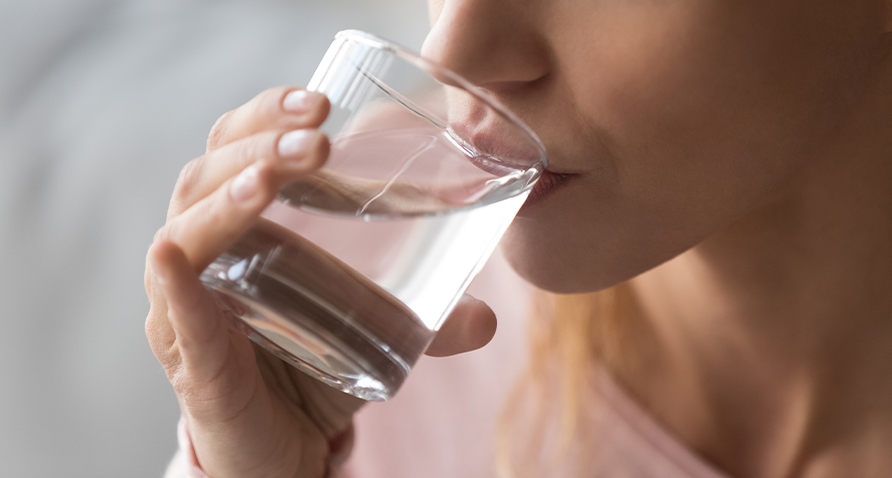
Figure 1: Over half of the body is made up of water. Our drinking habits play an important role in nutrient transport, temperature regulation and the body’s own detoxification.
Especially in summer, it is important to drink a lot and regularly. Our ten tips for optimal hydration in summer can help you effectively prevent a fluid deficit and supply your body with fluids through daily habits.
Why is drinking water particularly important in summer?
Did you know that an adult’s body consists of roughly 55 to 65 percent water?[1] Water is our elixir of life and fulfils many essential functions in the body. Fluid needs are generally increased in summer because the body loses more water in the heat. Sweating is the body’s central mechanism for temperature regulation. When more sweat is produced at high temperatures and evaporates from the skin, heat can be dissipated. This helps to keep body temperature constant and prevent overheating. At the same time, increased sweating in summer means a greater loss of fluids and electrolytes, which should be compensated for through adequate hydration.
“Stay hydrated!” – 7 tips for optimal hydration on hot days
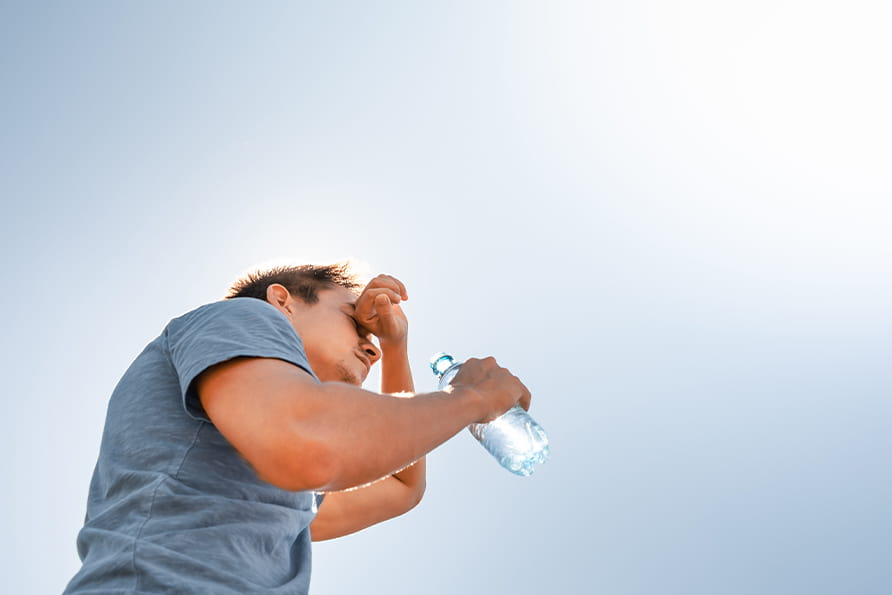
Figure 2: Especially on hot days it is very important to keep an eye on your fluid intake. With the right methods you can prevent dehydration.
As soon as temperatures rise in summer, adequate fluid intake becomes particularly important. The ten tips below for optimal hydration can make it easier to drink enough and help avoid dehydration with all its health risks.
1. Know your daily fluid requirement
Many people drink too little or underestimate their own fluid needs. So the question arises: how much water should you drink daily? The European Food Safety Authority (EFSA) defines 2.0 litres of water (women) and 2.5 litres of water (men) per day as an adequate intake for healthy adults.[2] These values include not only plain water but also water from other drinks and foods.
Individual fluid requirements depend on age, body size and lifestyle and can vary greatly from day to day and person to person. In very hot conditions, during strenuous physical work, with certain illnesses (e.g. fever, vomiting, diarrhoea) or during sporting activities, more water is needed. If you are unsure how much fluid you consume daily, a drinking diary can be a helpful tool.
2. Water-rich foods: fresh, light and hydrating
Water-rich foods can increase fluid intake and are particularly relevant for people who find it difficult to meet their needs through drinking alone. On average, water from food accounts for around 20 percent of daily fluid intake.[3] So feel free to reach for vegetables such as cucumber, celery, courgette, tomatoes or peppers. Fruits like melon, peach and grapefruit are also very high in water and are ideal in summer for preparing light dishes and snacks. Light meals have the additional advantage in hot weather that they are easily digestible and do not strain circulation as much as heavy, fatty foods.
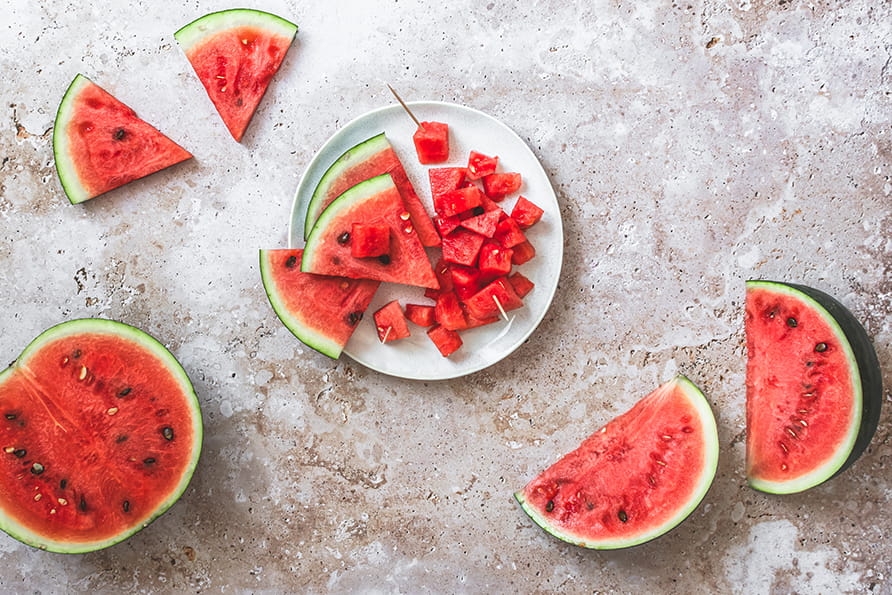
Figure 3: Foods can also be refreshing and support fluid intake.
3. Drink regularly: how fixed habits help
Regular water drinking is particularly easy if you link it to something you already do daily. For example, you can place a glass of water next to the coffee machine or your toothbrush. Alternatively, you can put a large glass of water on your bedside table in the evening and drink it first thing in the morning. After the night, the body is inevitably somewhat dehydrated, as it has not received fluids for several hours. Another sensible drinking ritual is a calming cup of herbal tea before bed. The drink can not only support evening relaxation but also help prevent excessive dehydration during the night.
4. How to avoid unnecessary fluid loss
Certain substances remove more water from the body than they supply – for example by promoting urine output or inhibiting water retention. These dehydrating substances primarily include coffee and alcohol as well as sugar, sweeteners and salt when consumed in larger amounts. Alcohol in particular has a strong diuretic effect by inhibiting the hormone ADH (antidiuretic hormone). ADH’s central task is to retain water in the kidneys. The result of alcohol consumption is therefore increased urination, associated with a high loss of fluids and electrolytes. To compensate for this, you should drink at least one glass of water for every alcoholic drink. It is even better to avoid alcohol, coffee and sugary soft drinks completely in summer, as these drinks do not contribute to hydration.
5. Keep an eye on your electrolytes
Fluids should be consumed not only after but also before and during physical activity to keep the body’s fluid balance stable and prevent dehydration. A good guideline for healthy adults is about 100 to 200 millilitres of water every 15 to 20 minutes during exercise. After training, adequate rehydration is important to replace fluid losses due to sport.
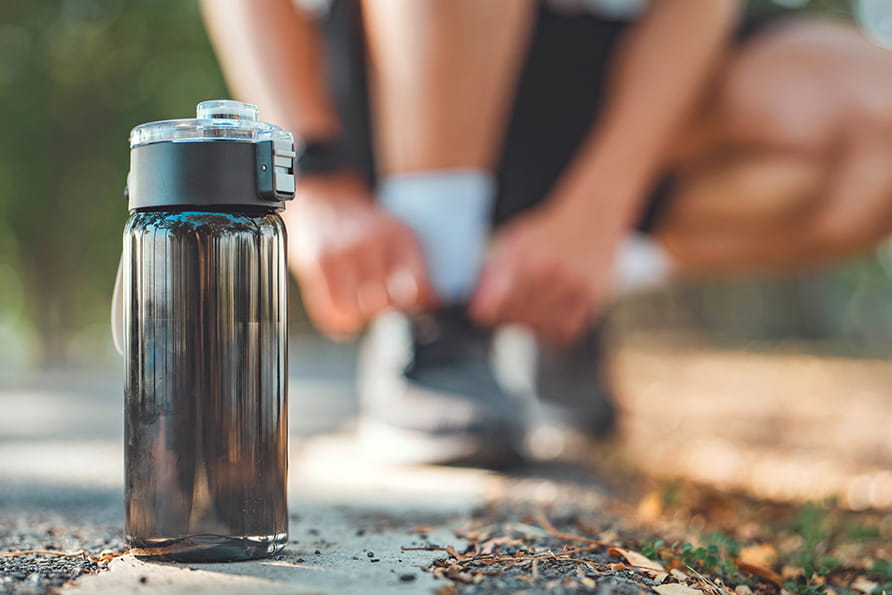
Figure 4: Electrolytes are particularly important during sport – ensure an adequate intake.
People who are physically active should also be aware that with increased sweating during exercise the body loses not only water but also electrolytes.[4] The most important electrolytes include sodium, chloride, potassium, calcium, magnesium, sulphate, phosphate, zinc, iron, manganese and copper. As these minerals are important for physical performance, energy metabolism and the body’s thermoregulation, it is important to compensate for electrolyte loss. For long training sessions or competitions, it is therefore often sensible to use electrolyte-containing drinks such as specialised isotonic beverages.
6. Listen to your body
No two people are the same – one needs more, the other less fluid. Often, however, those who feel thirsty are already dehydrated. Thirst is therefore a warning signal from the body. It is therefore generally advisable to drink regularly and to be attentive to your body’s signals. People who are busy or stressed around the clock often forget to drink or ignore their bodily needs. Fluid intake is, however, necessary to remain capable and active in the long term. It is therefore in your own interest to prioritise drinking.
7. Spread your fluid intake evenly!
Make sure to distribute your fluid intake as evenly as possible throughout the day. Generally, you can drink a larger amount of water in the morning, as the body is most dehydrated after getting up. If, on the other hand, you realise in the evening that you have drunk very little during the day, it is only partially possible to “catch up” on the missed amount. If you were to drink a very large amount of water in a short time in this situation, it could overload your kidneys and the gastrointestinal tract and lead to nausea, a feeling of fullness and frequent nocturnal urination. Good times to drink fluids are generally directly after getting up as well as thirty minutes before a meal and from one hour after eating. It does not always have to be plain water: to add variety to your hydration, you can flavour mineral or tap water with slices of lemon and cucumber, berries or fresh mint.
Disclaimer
This article does not replace treatment by a qualified therapist. The basis of this article is studies and current literature. It must not be used for self-diagnosis or self-treatment. If applicable, discuss any insights from this article with a therapist you trust.
Biography
Katharina Korbach regularly writes blog posts on medicinal plants and natural active ingredients for Narayana Verlag. She developed an interest in language early on and began writing her own literary texts. A serious illness during her A-levels prompted an intensive engagement with health and nutrition topics that continues to this day. After repeated failures of conventional medical treatments, she decided on a more self-effective, naturopathic therapeutic approach. A plant-based diet was an essential key on her path to recovery.
Katharina studied Cultural Studies (B.A.) and Applied Literary Studies (M.A.). In 2022 she published her debut novel "Sperling" at Berlin Verlag. She now lives in Berlin as a freelance writer, medical editor and lecturer. In her free time she prefers to spend time with friends or doing barre training. She also loves travelling and trying out new vegan recipes.
[1] Zimmerman CA, Leib DE, Knight ZA. Neural circuits underlying thirst and fluid homeostasis. Nat Rev Neurosci. 2017 Aug. https://pmc.ncbi.nlm.nih.gov/articles/PMC5955721/.
[2] EFSA (2010): Scientific Opinion on Dietary Reference Values for Water. EFSA Panel on Dietetic Products, Nutrition, and Allergies (NDA). (accessed: 08/07/2025). https://efsa.onlinelibrary.wiley.com/doi/epdf/10.2903/j.efsa.2010.1459
[3] Institute of Medicine (2005): Dietary Reference Intakes for Water, Potassium, Sodium, Chloride, and Sulfate. Washington, DC: The National Academies Press. https://nap.nationalacademies.org/read/10925/chapter/1 (accessed: 11/07/2025).
[4] American College of Sports Medicine; Sawka MN, Burke LM, Eichner ER, Maughan RJ, Montain SJ, Stachenfeld NS. American College of Sports Medicine position stand. Exercise and fluid replacement. Med Sci Sports Exerc. 2007 Feb. https://pubmed.ncbi.nlm.nih.gov/17277604/.
Figure 1: fizkes/shutterstock.com ; Figure 2: KieferPix/shutterstock.com ;Figure 3: Daniela Baumann/shutterstock.com ; Figure 4: oatawa/shutterstock.com
31/07/2025

