
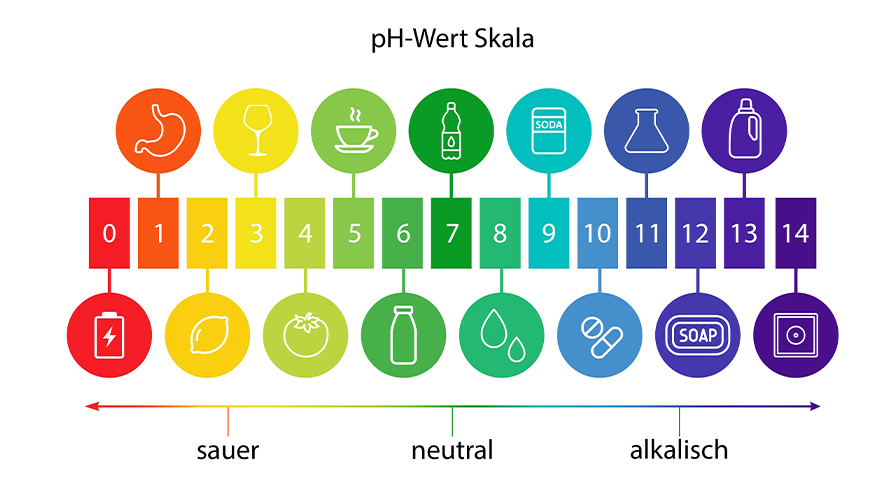
Figure 1: The acid–base balance is a finely tuned system that enables the organism to keep the pH value in the body within a stable range.
Keeping the pH value of our blood and other body fluids stable over the long term is crucial for our health. As soon as the acid–base balance is disturbed, negative health consequences can arise. In this blog article you will learn how the body’s own acid–base regulation works, and which symptoms can indicate excess acidity. An overview of acid- and base-forming foods and 7 tips for a balanced acid–base balance will help you maintain a base-oriented lifestyle in the long term.
What is the acid–base balance?
Although the terms “acid–base balance” and “excess acidity” are widely used, many people have no clear idea what they mean. To understand the connections, it is first important to know that different body fluids and secretions in the human body have different pH values. The magic dividing line is a pH of 7. Anything above is alkaline, anything below is acidic. In a healthy body the blood pH is between 7.35 and 7.45 and is therefore slightly alkaline. In other areas of the body such as the stomach, the large intestine or the vaginal flora, however, the pH should be acidic.
The body constantly strives to keep pH values within the optimal range. It uses several complex regulatory mechanisms to do this. For example, the kidney can excrete acids and return filtered bicarbonate to the blood. Bicarbonate is an important buffer that neutralises acids in the blood and thus can counteract an acid excess.[1] Another important organ in connection with the acid–base balance is the lung, because it eliminates carbon dioxide through breathing. If it did not, excess CO2 would act like an acid in the body. Digestion, respiration and hormonal regulation are also among the buffering systems that keep the acid–base ratio in balance.
But why are stable pH values so important? In short: because even small deviations from the optimal pH can adversely affect metabolic processes and lead to serious illnesses. A normal pH, on the other hand, optimises enzyme activity.[2] This is enormously important because enzymes influence virtually every bodily function – from metabolism to the immune response. However, enzymes only work within a narrow pH range. If the body’s pH deviates from this optimal range, vital enzyme functions can be inhibited or sensitive enzymes destroyed.
How do acid‑ and base‑forming foods act in the body?
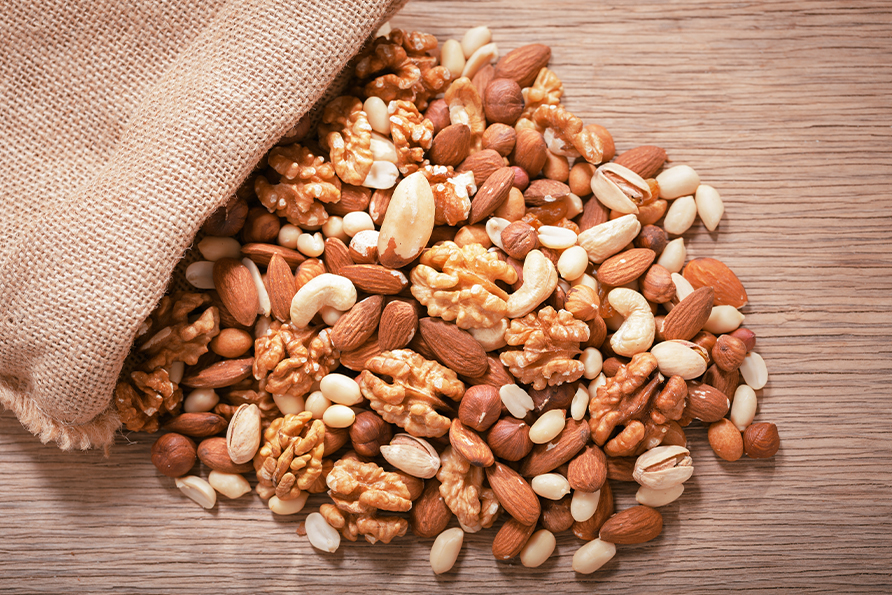
Figure 2: Whether a food is acid‑ or base‑forming is not a question of taste but of how it is metabolised in the body.
The foods we eat daily provide, in addition to water, carbohydrates, proteins, fats and minerals, acids and bases (alkaline substances). Due to its low vegetable content and high proportion of animal protein, the Western diet is rather acid-forming.[3] Therefore “excess acidity” is often described here as one of the major public health problems. Whether a food acts as alkaline or acidic in the body, however, has nothing to do with its taste. Rather, the classification depends on how it is metabolised by the body. For example, despite its sour taste, lemon has an alkaline effect, while mild cheese acts acid-forming in the body. It is therefore more accurate to speak of acid‑ and base‑forming foods rather than acidic and alkaline foods.
Acid-forming foods give rise in metabolism to acids such as sulphuric, uric, phosphoric or lactic acid (lactate). The more of these acids are present in the organism, the more the blood pH falls. For healthy people acid-forming foods are not per se unhealthy. They only become problematic in excess. If the body’s own buffering systems such as the lungs, kidneys and the bicarbonate system are overloaded by a high acid load, this can have negative consequences (see section “What happens when the acid–base balance is out of balance?”). Base-forming foods, on the other hand, supply important minerals such as potassium, magnesium, calcium and sodium. These minerals help the body, among other things, to break down excess acids, to refill buffer stores and to maintain an optimal blood pH. In addition, there are foods that are neither acid‑ nor base‑forming. High-quality fats and oils (e.g. linseed, coconut, olive oil) fall into this category.
Overview: Acid‑ and base‑forming foods (with PRAL values)
To estimate how strongly a food affects the body’s acid–base balance, the so‑called PRAL value (engl.: “Potential Renal Acid Load”) has become established.[4] Foods with a positive PRAL value (> 0) are acid‑forming. Those with a negative PRAL value (< 0) have an alkaline, de‑acidifying effect.
The overview below contains a selection of foods and their respective PRAL values (per 100 grams). Acid load, however, is not synonymous with the overall health value of a food. In the end, for the acid–base balance the amount and the combination of foods consumed in one day count. Accordingly, it is not advisable to eat only base-forming foods or to strictly avoid all acid-formers. Instead, the PRAL table can serve as a guide for composing meals that provide a base surplus.
Acid‑forming foods:
- Beef: + 7.8
- Salami: + 11.6
- Chicken egg: + 8.2
- Shrimps: + 7.6
- Quinoa: + 2.4
- White rice: + 1.7
- Pumpernickel: + 4.2
- Chickpeas: + 2.5
- Peanuts: + 8.3
- Cottage cheese: + 8.7
- Butter: + 0.6
- Peas: + 2.2
- Chia seeds: + 14.4
- Milk chocolate: + 2.4
- Gelatine: + 41.76
Base‑forming foods:
- Artichokes: – 3.2
- Broccoli: – 4.0
- Avocado: – 8.2
- Bamboo shoots: – 7.9
- Hazelnuts: – 3.1
- Pumpkin seeds: – 14.3
- Apricots: – 4.3
- Papaya: – 4.0
- Garlic: – 2.6
- Coriander: – 9.5
- Chilli powder: – 31.4
- Coconut water: – 5.12
What happens when the acid–base balance is out of balance?

Figure 3: If acids and bases in the body are out of balance, long‑term consequences such as gout, rheumatism, osteoporosis or skin disorders may occur.
An imbalance in the acid–base balance can have various causes. Most often modern lifestyle – combined with lack of exercise, stress, alcohol and nicotine use and excessive consumption of highly processed foods – is responsible for chronic excess acidity. Disorders of kidney and lung function can also promote the development of acidosis. In addition, the risk increases with age, as kidney function naturally declines and acid excretion is no longer possible to the same extent. A blood pH below 7.35 is called acidosis. The opposite of chronic excess acidity is alkalosis, which occurs at a blood pH above 7.45. An excess of bases is, however, much rarer and less concerning, because excess bases are usually efficiently excreted by the body.
Excess acids behave differently: they are temporarily stored as so‑called “waste” in connective tissue. Possible consequences include adhesions of the fascia, wrinkles, cellulite and the development of gallstones and bladder stones. Deposits in the blood vessels can also lead to high blood pressure and an increased risk of heart attack and stroke. Gout, osteoarthritis, rheumatism, osteoporosis and dental problems are also potential sequelae. In addition, excess acidity often becomes apparent in the skin. Once the skin no longer functions properly as a bodily buffer, clogged pores and blemishes or acne frequently occur. Hair loss can also indicate that the body’s buffering systems are overloaded. To transport excess acid away, minerals must be used up that are then missing at the hair roots – consequently hair loss can increase.
Typical early signs and symptoms of excess acidity
Many people affected by excess acidity feel nothing for a long time because the body can temporarily compensate for an unbalanced acid–base status. Sooner or later this compensatory capacity is exhausted and acidosis usually manifests itself with diffuse and non‑specific symptoms. Possible early signs of excess acidity include:
- persistent tiredness and exhaustion
- headaches
- increased susceptibility to infections
- bad breath
- muscle cramps
- blemished skin
- mood swings
- concentration problems
- joint pain
Acid–base balance and the role of gut health
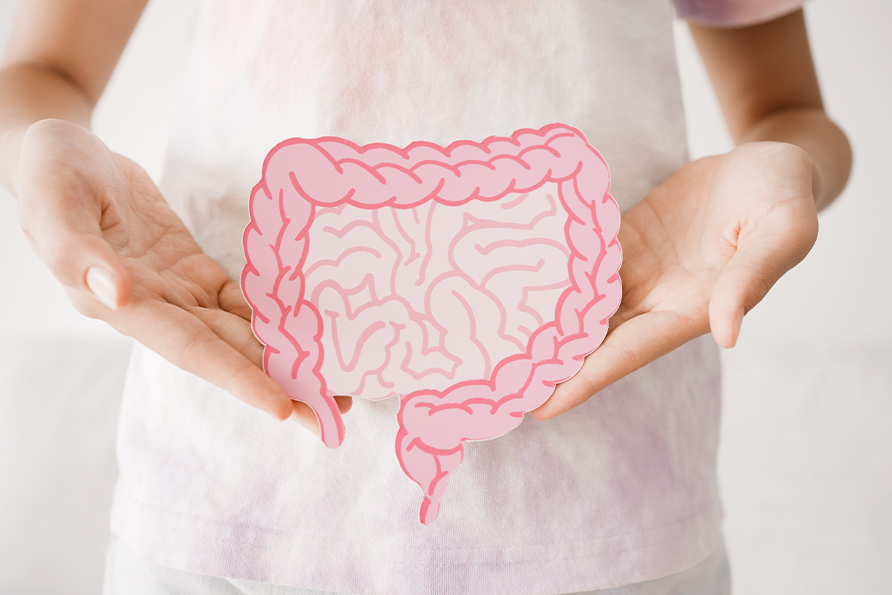
Figure 4: A healthy gut supports the acid–base balance. Conversely, a weak microbiome can promote excess acidity.
What has long been known in naturopathy and TCM is increasingly coming into focus in conventional medicine: the gut is a key organ in the human body. As such, it plays a central role in homeostasis. Homeostasis is defined as the ability of a biological system to maintain vital bodily functions in a stable equilibrium through self‑regulation. In addition to body temperature, blood sugar, blood pressure and fluid balance, the pH value of the blood is an important parameter that must be kept in balance by regulation.
The gut can contribute to this in various ways: for one thing, a healthy microbiome produces short‑chain fatty acids (above all butyrate), which have a mildly alkaline effect. Conversely, an imbalance of the microbiome (dysbiosis) can stimulate the production of harmful metabolites that in turn contribute to excess acidity. In addition, especially faulty digestion of protein can promote the formation of toxic metabolites and acid formation in tissues. A leaky gut can also reduce the body’s buffering capacity, which often results in a harmful acid surplus.
Everything in balance: 7 tips for a balanced acid–base status

Figure 5: Targeted measures in the areas of nutrition, exercise and stress management can sustainably support your acid–base balance.
As already mentioned, excess acidity is in most cases due to an unfavourable lifestyle. The good news is, however, that changing this lifestyle can effectively counter excess acidity in most cases. Nutrition is by no means the only lever. Below we present some approaches and measures with which you can support or restore your acid–base balance to a healthy equilibrium.
Rely on fresh, base‑rich foods
Your meal plan should consist, as far as possible, of fresh, organic and plant‑based foods. Generally speaking, most vegetables are base‑forming. Some vegetables such as spinach, rhubarb, tomatoes, aubergines and mushrooms are neutral or slightly acid‑forming, but are still nutritionally valuable. Also make sure to prepare your meals as gently as possible (e.g. by steaming or frying with little oil) to preserve the alkaline components and nutrients as much as possible. Avoid fatty foods, too much animal protein, white flour and processed foods.
Follow the 80/20 rule
Even within a base-oriented diet you do not have to completely avoid acid-containing foods. But how many acid-formers may appear on your plate each day? The 80/20 rule has proved useful as a rough guideline: daily nutrition should consist of about 80% base‑forming and a maximum of 20% acid‑forming foods.
Avoid sugar, alcohol and smoking as far as possible
Smoking not only strains the lungs in general but also limits the organ’s ability to exhale acidic carbon dioxide. This can promote excess acidity. Alcohol is also metabolised acidically in the body. The breakdown of alcohol consumes many alkaline minerals that are then lacking elsewhere in the organism.

Figure 6: Sweating during physical activity or sauna use can also promote de‑acidification.
Exercise regularly
Exercise helps the body break down and excrete excess acids. Breathing, circulation and lymphatic flow play a decisive role in this.
Consider base fasting
During base fasting, usually for a period of one to a maximum of two weeks, only base‑forming foods are consumed to relieve the body of excess acids and stimulate detoxification. Complementary base teas (e.g. fennel, lemon balm), base powders or base capsules are often used as dietary supplements. Base fasting can be a sensible introduction to an alkaline lifestyle. In general, however, a long‑term lifestyle and dietary change is required to achieve truly sustainable positive effects on health and wellbeing.
Reduce your stress level
Stress can also have an acidifying effect on the body. Those who value sufficient sleep and consciously reduce stress in everyday life simultaneously support their acid–base balance. Yoga, meditation or breathing exercises for relaxation can be helpful supporting practices.
Keep your meals simple and practical for everyday life
An alkaline diet does not have to be complicated. Especially if you have little time to cook, it is useful to prepare simple base‑oriented dishes more often, such as boiled potatoes with spinach or an alkaline millet porridge. It can also help not to focus too much on those acid‑forming foods that you should now limit. Instead, consider which base‑forming ingredients you can add to your meals. You will quickly discover how tasty base‑oriented dishes can be, so the change will no longer feel like deprivation.
Disclaimer
This article does not replace treatment by a qualified practitioner. The basis of this contribution is studies and current literature. It must not be used for self‑diagnosis or self‑treatment. Discuss any inspirations from this article with a practitioner you trust.
Biography
Katharina Korbach regularly writes blog posts about medicinal plants and natural active substances for Narayana Verlag. She became interested in language early on and began writing her own literary texts. A serious illness during her final school year prompted an intensive engagement with health and nutrition topics that continues to this day. After repeated failures of conventional medical treatments, she opted for a more self‑effective naturopathic therapeutic approach. A plant‑based diet was a key factor in her healing journey.
Katharina studied Cultural Studies (B.A.) and Applied Literary Studies (M.A.). In 2022 she published her debut novel “Sperling” with Berlin Verlag. She now lives in Berlin as a freelance author, medical editor and lecturer. She enjoys spending her free time with friends or doing barre training. She also loves to travel and try out new vegan recipes.
[1] Hamm LL, Nakhoul N, Hering‑Smith KS. Acid‑Base Homeostasis. Clin J Am Soc Nephrol. 2015 Dec 7. https://pubmed.ncbi.nlm.nih.gov/26597304/.
[2] Clancy J, McVicar A. Short‑term regulation of acid‑base homeostasis of body fluids. Br J Nurs. 2007 Sep 13‑27. https://pubmed.ncbi.nlm.nih.gov/18026041/.
[3] McMullen MK. Many foods are more acid‑forming than acid‑alkaline formulas indicate. Nutr Health. 2024 Sep. https://pubmed.ncbi.nlm.nih.gov/37700671/.
[4] The PRAL‑Table: a clinical guide for assessing dietary acid levels. Bio‑Practica 2018. https://inaturally.com.au/wp-content/uploads/2020/04/The-PRAL-Table.pdf (accessed: 26/07/2025).
Figure 1: Keronn art/shutterstock.com ; Figure 2: Nitr/shutterstock.com ; Figure 3: New Africa/shutterstock.com ; Figure 4: SewCreamStudio/shutterstock.com ; Figure 5: phM2019-06/shutterstock.com ; Figure 6: Yuri A/shutterstock.com
07.08.2025

