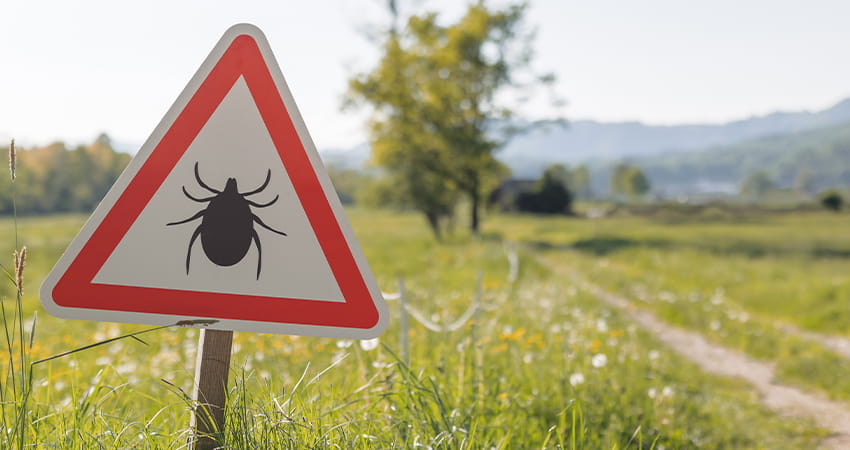

Figure 1: Venous conditions such as varicose veins or spider veins are widespread. You can strengthen your veins with simple natural measures.
Whether varicose veins, spider veins or thromboses: many people suffer from venous problems. Around 90 per cent of Germans aged between 40 and 80 years have some degree of venous weakness.1 Fortunately, there are several measures that can effectively prevent or alleviate venous problems. In this blog article we reveal what you can actively do for your venous health. You will also learn how the venous system works and receive helpful tips for healthy, strong veins!
How does the venous system work?
Heavy and swollen legs are especially common in summer. In most cases the cause is dilation of the blood vessels in the legs. In heat the vessels widen to dissipate heat more effectively. Blood then circulates more slowly and pools in the legs. This effect is even stronger in venous weakness. Common consequences are uncomfortable swelling and visible varicose veins.
But how does our venous system actually work? Our veins perform hard work every day: several thousand litres of blood are pumped through the body via the venous system each day. While arteries carry oxygen-rich blood from the heart to the organs, the veins work in the opposite direction. Their main task is to transport oxygen-poor blood from the organs and tissues back to the heart against gravity.
Venous valves are essential for this transport to proceed without complications. As blood flows upwards they open like valves and allow the blood to pass. They then close again and prevent the blood from sagging downwards under the influence of gravity. If the venous valves do not close properly, blood pools in the legs and the vessel walls become permeable. Fluid can then accumulate in the tissue, which often becomes visible as varicose veins and spider veins.
Risk factors for venous disease
Often a genetic predisposition is the cause of venous disease. But lifestyle can also promote the development of varicose veins and spider veins. Risk factors for venous disorders include:
- prolonged standing and/or sitting
- lack of exercise
- overweight
- a diet high in fat and/or sugar
- smoking
- excessive alcohol consumption
- pregnancy
- inappropriate clothing (tight trousers, high heels)
From spider veins to thromboses: the most common venous problems
Heavy, tired legs, swelling, itching or spider veins are often dismissed as harmless. However, these symptoms can be the first signs of venous disease. If nothing is done about them, chronic venous weakness or a venous inflammation may develop. Untreated oedema can, in the worst case, also develop into a leg ulcer (ulcus cruris).
Below we present the most common venous conditions and possible secondary diseases:
Spider veins
Spider veins appear as net-like lines on the skin. They typically occur on the thighs, the inner sides of the lower legs and around the ankles. They are a special form of varicose vein that develops when the connective tissue of the vein wall stretches. Unlike varicose veins, spider veins usually do not cause symptoms and do not require medical treatment. In some cases, however, the visible vessels can indicate a chronic weakness of the vein wall.

Figure 2: Net-like lines on the skin are referred to as spider veins.
Varicose veins
When veins on the legs appear bluish or purple as knotted branches or tangles, they are called varicose veins. In addition to the visible changes, a feeling of tension in the legs, nocturnal calf and foot cramps, swollen ankles and itching are typical symptoms. Varicose veins develop when the venous valves no longer close properly. Due to blood congestion, pressure on the vein walls increases until they expand and the veins become visible as varicose veins.
In advanced stages varicose veins can lead to venous inflammation and venous insufficiency. In addition, people with varicose veins have an increased risk of forming a blood clot (thrombus).

Figure 3: Varicose veins form bluish or purple knots or tangles on the skin.
Thromboses
In addition to varicose veins, changes in the vein or blood clotting disorders can promote the formation of a venous thrombosis. Thromboses occur particularly often in the leg. If a blood clot (thrombus) detaches from the vein wall and travels via the bloodstream to the lungs, it can cause a life-threatening blockage called a pulmonary embolism. This can in turn lead to cardiac arrest. It is therefore essential that a suspected deep vein thrombosis is examined and treated by a doctor.

Figure 4: Thromboses occur mainly in the leg and manifest, for example, as swelling, pain and reddened or bluish-coloured skin.
10 tips for strong veins: how to support your venous health
To alleviate venous problems or prevent their development, there is a lot you can do in everyday life. Above all, pay attention to the following tips for healthy, strong veins:
1. Move regularly
Muscle contractions in the legs support the return of blood to the heart. Hiking, cycling or swimming are ideal sports to strengthen the muscle pump. Moderate forms of exercise such as yoga can also promote circulation and, through gentle stretches, reduce tension in the legs. A classic yoga pose is Downward-Facing Dog. In this inversion the body forms an inverted “V”, with hands and feet on the floor, hips drawn high, the back kept as long as possible and the heels reaching towards the floor. In this position not only are the legs – especially the calves and the back of the thighs – stretched, but blood circulation throughout the body is also promoted.
2. Avoid prolonged sitting and standing
If you mainly work sitting or standing, you should take a few steps at least every two hours. Phone calls can often be made while walking. As our bodies prefer variety, try to change your position regularly. A height-adjustable desk makes it easier to switch between sitting and standing during work. Also try to incorporate more movement into everyday life. For example, you could take the stairs instead of the lift or use your lunch break for a short walk in the fresh air.

Figure 5: The gentle stretches of yoga can support venous health.
3. Eat a vein-friendly diet
Your diet can also do your veins good. Above all, aim for a balanced diet rich in vitamin C and fibre. Studies show that vitamin C can promote collagen production and thus strengthen vessel walls, improve endothelial function and reduce inflammatory processes.2 Certain phytochemicals such as polyphenols and flavonoids (e.g. in unprocessed green tea, grapes, buckwheat or dark chocolate with a high cocoa content) are also attributed with vascular-protective and anti-inflammatory effects. Animal fats, alcohol and coffee should, however, be consumed only in moderation.
4. Drink enough fluids
At least as important as a vein-friendly diet is fluid intake. The German Nutrition Society (DGE) recommends that adults drink about 1.5 litres of water per day.3 In many situations – for example after exercise or in hot weather – the requirement can be significantly higher.
5. Integrate venous exercises into your daily routine
It is worthwhile to give your veins a little attention each day with small exercises. Suitable venous exercises such as ankle circles, heel raises or toe stands take only a few minutes and can be performed discreetly in the office, while waiting at the supermarket checkout or at the bus stop. A great venous booster for in-between is the “venous pump”. Stand in a relaxed position, then rise onto your tiptoes and slowly roll back onto your heels. Do ten to fifteen repetitions and perform the entire sequence up to three times a day. The exercise can help improve circulation and reduce swelling.
6. Put your feet up now and then
Raising the legs for fifteen to twenty minutes can also relieve swelling and blood congestion, as blood returns more easily to the heart when lying down. At the same time the leg veins are relieved. You can place your legs on the arm of a sofa, a cushion or an adjustable lounger. Make sure your feet are above heart level so that gravity supports the return flow of blood to the heart.
7. Maintain a healthy body weight
Overweight increases pressure on the veins and the risk of venous problems rises. Visceral fat in particular increases pressure in the lower extremities. Excess abdominal fat can also produce pro-inflammatory signalling molecules that damage vessel walls and impair venous function in the long term. Accordingly, good weight management can support venous health.
8. Use the power of cold
Cold stimuli can help strengthen the vessels. Cold lower leg compresses or thigh douches are ideal for venous complaints. Contrast showers are also a simple and effective method to strengthen venous function. Alternating cold and warm water causes the blood vessels to constrict and then dilate, training the elasticity and responsiveness of the vein walls. Avoid sauna sessions, hot baths and direct sun exposure.
9. Wear comfortable clothing and shoes
Comfortable, loose-fitting clothing is important so as not to impede the return flow of blood from the legs to the heart. Too-tight trousers or belts can compress the veins, particularly in the groin area, on the thighs and in the popliteal fossae, restricting blood flow. High-heeled shoes should also be avoided where possible for the sake of venous health.
10. Use compression stockings
Wearing medical compression stockings increases pressure on the leg tissue. The venous system is relieved and less fluid accumulates in the tissue. Compression stockings should especially be worn during long flights to optimally support the veins on the go and prevent oedema.
Disclaimer
This article does not replace treatment by a qualified therapist. The basis of this article is studies and current literature. It must not be used for self-diagnosis or self-treatment. Discuss any ideas from this article with a therapist you trust, if necessary.
About the author
Katharina Korbach regularly writes blog posts on medicinal plants and natural active substances for the Narayana Verlag. She became interested in language at an early age and began writing her own literary texts. A serious illness during her final school years led to an intensive engagement with health and nutrition topics that continues to this day. After repeated failures of conventional medical treatments, she decided on a more self-empowering, naturopathic therapeutic approach. A plant-based diet was a key element in her healing journey.
Katharina studied Cultural Studies (B.A.) and Applied Literary Studies (M.A.). In 2022 she published her debut novel "Sperling" with Berlin Verlag. Today she works as a freelance author, medical editor and lecturer in Berlin. In her free time she prefers to spend time with friends or at barre training. She also loves travelling and trying out new vegan recipes.
References
- Schumacher, B. Ein schlechtes Zeichen: Viele Deutsche leiden an Venenschwäche. MMW - Fortschritte der Medizin 163, 24-25. 2021.
- May JM, Harrison FE. Role of vitamin C in the function of the vascular endothelium. Antioxid Redox Signal. 2013 Dec 10. https://pubmed.ncbi.nlm.nih.gov/23581713/.
- DGE (2000): Referenzwerte Wasser. https://www.dge.de/wissenschaft/referenzwerte/wasser/ (accessed: 03.07.2024).
Figure 1: GBALLGIGGSPHOTO/shutterstock.com ; Figure 2: Rungkh/shutterstock.com ; Figure 3: sutulastock/shutterstock.com ; Figure 4: Alona Siniehina/shutterstock.com ; Figure 5: 220 Selfmade studio/shutterstock.com
25 June 2026