

Figure 1: Lutein causes leaves to turn yellow in autumn. In addition, the carotenoid boasts numerous potentially health-promoting properties.
The secondary plant compound lutein occurs naturally in many fruits and vegetables. The carotenoid is best known for its important role in eye health. But beyond that, lutein can have a positive impact on health in many ways. In this blog article we present some of the central effects and areas of application of the yellow plant pigment. You will also learn which foods are particularly rich in lutein and what to consider when choosing and dosing a lutein supplement.
What is lutein?
Most of us learn at school that the green plant pigment chlorophyll is responsible for the green colour of leaves. But do you also know what gives leaves their yellow colour in autumn? The correct answer is: lutein. As chlorophyll breaks down in the leaves, the yellow plant pigment becomes increasingly visible. The name lutein is derived from the Latin word "luteus" (meaning "yellow"). In addition to its important physiological functions, lutein is also used as a food colouring under the E number E161b for products such as spreads, processed cheese and jams.
Lutein is a secondary plant compound from the group of carotenoids. These are natural, fat-soluble plant pigments that are important both in plants and in the human body. Carotenoids are also responsible for the colouring of many fruits and vegetables. While other carotenoids such as beta-carotene act as precursors of vitamin A, lutein cannot be converted into vitamin A by the body.
After absorption in the upper small intestine, lutein is distributed to all organs and tissues. The compound is particularly found in the liver as well as in the adrenals, testes and ovaries. A particularly high concentration of lutein, however, can be detected in the so-called "yellow spot" (Macula lutea) of the eye. This is the "point of sharpest vision" on the retina, which has an extremely high density of photoreceptor cells and enables us, among other things, to distinguish colours with high resolution. Together with zeaxanthin, lutein is the only carotenoid present in the macula, underlining the relevance of this plant compound for eye health and the visual process.
How does lutein work in the human body?
Many of lutein’s health benefits are due to the strong antioxidant properties of this carotenoid. As an antioxidant, lutein is able to neutralise so-called free radicals. These can arise as natural by-products of metabolic processes or due to external influences such as UV radiation, pesticides and cigarette smoke. If free radicals are present in excess in the body, they can damage cells and promote ageing processes and the development of cardiovascular diseases. By neutralising free radicals, lutein helps to prevent the development of oxidative stress in the body.
In addition, the plant compound potentially acts
- as an antioxidant
- as an anti-inflammatory agent
- to protect blood vessels
- to promote regeneration
- as a neuroprotective agent.
From eye to brain health: the main functions of lutein
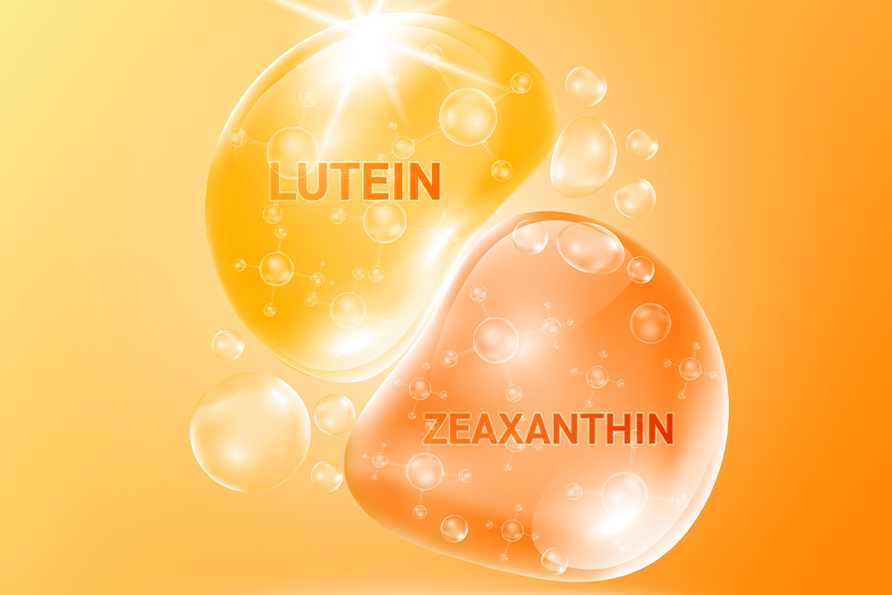
Figure 2: In nature lutein often occurs together with zeaxanthin. In the "yellow spot" of the eye, the two carotenoids form the so-called macular pigment complex.
Lutein has a broad spectrum of action and is involved in a variety of physiological processes. Below we present a selection of the most important bodily functions and medical applications of lutein.
Eye health
Lutein is present in particularly high concentration in the macula, the "yellow spot" in the centre of the retina. As in many foods (e.g. green leafy vegetables), the pigment occurs here together with zeaxanthin. Both lutein and zeaxanthin are carotenoids and are similar in chemical structure. Together they form the so-called macular pigment complex, which protects the delicate retinal cells from UV radiation, inflammation and oxidative stress. In addition, lutein is able to filter blue light emitted by many artificial light sources such as smartphones, tablets or LED screens. Because of its shorter wavelength, blue light is high-energy and can penetrate deeply into the eye. In this case lutein acts as a natural blue-light filter, preventing blue light from damaging the retina. Lutein can also enhance contrast sensitivity, which is particularly beneficial for people who spend a lot of time in front of screens.
In older people in Western countries, age-related macular degeneration (AMD) is one of the most common causes of impaired vision. The disease, in which the central retina is progressively and irreversibly damaged, often leads to a significant loss of visual acuity. Lutein is reported to protect the macula and to help prevent AMD—or reduce the risk of disease progression—through its antioxidant and light-filtering properties. Although the evidence in this field is still insufficient to make definitive claims, the results of a placebo-controlled double-blind study point to the efficacy of lutein in patients with existing AMD.[1]
In a study with preadolescent children, a correlation was also found between lutein intake and improved visual performance. In the study, sixty children aged 5 to 12 received either a supplement containing 10 milligrams of lutein and 2 milligrams of zeaxanthin or a placebo over 180 days. Already after half the study period, the children who had taken lutein and zeaxanthin showed a significant improvement in visual performance and reduced eye strain. No side effects from the supplementation were observed.[2]
Cardiovascular health
The risk of suffering a heart attack increases the more pronounced inflammation is in the body. As one study showed, lutein can reduce chronic inflammation in people with coronary artery disease.[3] The plant compound exerts its anti-inflammatory effect by reducing the production of pro-inflammatory molecules (e.g. cytokines). In addition, the carotenoid promotes the elasticity and function of blood vessels. Improved vascular function can lead to lower blood pressure and reduce the risk of vascular narrowing. Narrowing and hardening of the arteries (arteriosclerosis) can impair blood flow to the heart, which in turn can lead to a heart attack. Furthermore, lutein can reduce the proliferation of smooth muscle cells in the arteries and thus help to prevent the formation of atherosclerotic plaques.
Skin protection
There are many external factors that can damage the skin and accelerate skin ageing. UV radiation counts among them, as do environmental toxins and blue light. If we are exposed to these influences more frequently and over a longer period, oxidative stress can develop in the body. This, in turn, is a common cause of lipid peroxidation, a process in which free radicals attack the lipids of the skin and destroy the integrity of cells. Oxidative stress can also trigger DNA mutations that, in the worst case, can lead to cell damage or skin cancer. Lutein can minimise the risk of such damage by, among other things, reducing skin sensitivity to UV radiation, decreasing blue-light-induced collagen breakdown and strengthening the skin barrier overall.
Support for cognitive functions
Lutein plays an important role in brain development and can improve cognitive function and neuroplasticity.[4] The antioxidant properties of lutein are particularly important for brain health. The brain is especially susceptible to damage from oxidative stress because it has a high energy demand and contains many unsaturated fatty acids that are prone to oxidation. Oxidative stress and chronic inflammation in the brain often contribute to the development of neurodegenerative diseases. As a study published in the Journal of Alzheimer’s Disease described, the macular pigment—mainly composed of lutein and zeaxanthin—may help to maintain cognitive function and protect the brain from oxidative damage.[5]
Which foods naturally contain lutein?
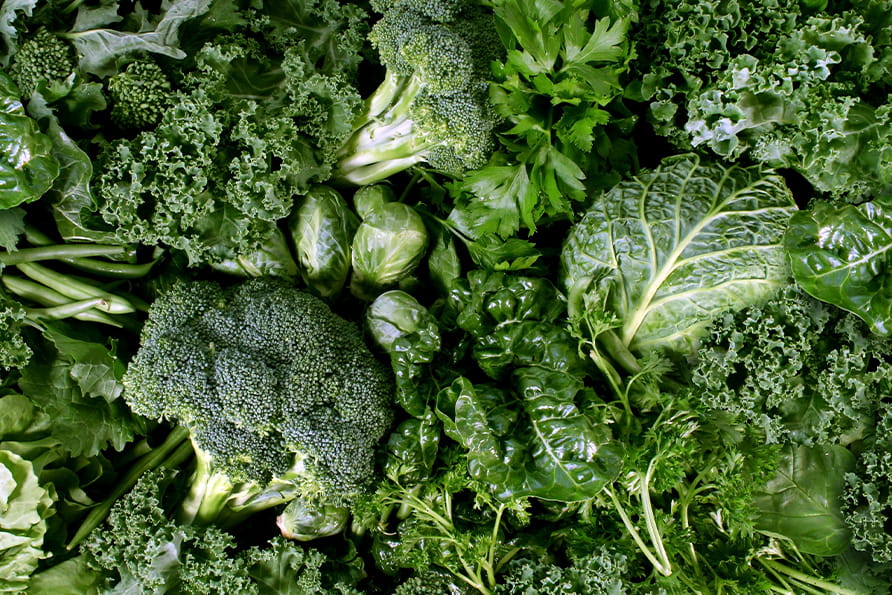
Figure 3: Plant foods such as green leafy vegetables, peas and sweetcorn are among the best natural sources of lutein.
The body cannot produce lutein itself, so the carotenoid must be provided through the diet. Lutein is particularly found in green leafy vegetables as well as yellow and orange vegetables. Good natural sources of lutein include:
- Spinach
- Kale
- Broccoli
- Savoy cabbage
- Bell peppers (green and red)
- Peas
- Brussels sprouts
- Pumpkin
- Carrots
- Egg yolk
- Sweetcorn
- Kiwi
- Pistachios
- Herbs (e.g. basil, parsley)
As lutein is a fat-soluble carotenoid, it should ideally always be combined with a high-quality fat source. A good option is, for example, to sauté lutein-rich vegetables like spinach in olive oil or to enjoy a fresh carrot salad with avocado, seeds and nuts. Also avoid excessively long cooking times and high temperatures. For vegetable preparation, steaming or quick blanching is better suited to preserve the carotenoid content as far as possible.
How to find a suitable lutein supplement

Figure 4: The marigold (Tagetes erecta) has a high lutein content and is therefore often used in dietary supplements.
If insufficient lutein is obtained through the diet, supplementing the plant compound may be sensible. Lutein supplements are available in different formulations, with lutein capsules among the most popular forms. Like many lutein products, the Lutein capsules from Unimedica contain natural lutein from Tagetes. The flowers of the African marigold (Tagetes erecta) contain a notably high lutein content. In addition to lutein, the vegan capsules also include zeaxanthin from Tagetes as well as the "eye vitamins" riboflavin (vitamin B2) and retinol (vitamin A). The lutein contained in UNIFERTIL from Unimedica is likewise obtained from Tagetes flowers. The complex’s ingredients are carefully matched and designed to support male fertility.
Given lutein’s numerous positive effects on eye health, it is no surprise that the compound frequently appears in formulations aimed at supporting vision. The Adlerauge capsules from Unimedica combine lutein with DHA, L-lysine, hyaluronic acid, N-acetylcysteine, hesperidin, OPC, vitamin E, L-glutathione, zinc, zeaxanthin, vitamin A, selenium, vitamin B6 (pyridoxine), vitamin B2 (riboflavin), vitamin D3 (cholecalciferol), vitamin B12 (methylcobalamin) and the Spanish premium ingredient BIOMEGA TECH® from high-quality omega‑3 algae powder.
What dose of lutein should be taken?
As with many plant compounds, there are no official intake recommendations for lutein. Many studies use dosages of 6 to 10 milligrams of lutein. If you wish to support your eye health or help prevent age-related macular degeneration (AMD) through lutein supplementation, the dose mentioned above is also recommended by many experts. However, the ability to absorb and utilise lutein can vary greatly from person to person. Factors affecting absorption include age, general health status and genetic aspects. It is therefore advisable to start supplementation with a low dose to test tolerability. The daily dose can then be gradually increased if necessary at a later stage.
Possible side effects and interactions of lutein
In general, lutein is considered safe and low in side effects. If lutein supplements are taken in very high doses, skin yellowing can occur; this is harmless and typically disappears once intake is reduced or stopped. Mild gastrointestinal complaints or headaches also count among the possible but rare side effects of lutein supplementation. The risk of lutein overdose is low, as unabsorbed amounts of the carotenoid are simply eliminated from the body in the stool.
To ensure safe use, you should inform yourself about possible interactions before starting supplementation. People taking medications such as cholesterol-lowering drugs, blood thinners or fat‑binding drugs should always discuss taking lutein supplements with their treating physician beforehand. The same applies to pregnant and breastfeeding women, as the safety of lutein intake during pregnancy and lactation has not yet been sufficiently studied.
If you are taking other dietary supplements in addition to a lutein product, you should check whether these may interact with each other. For example, lutein can influence the bioavailability of other fat‑soluble vitamins (e.g. vitamins A, D, E and K). For this reason it is often recommended to take such supplements at different times. Beta‑carotene can also impair the absorption of lutein and zeaxanthin and reduce the bioavailability of these plant compounds. However, this risk generally arises only when the nutrients are supplied in very high doses.
About the author
Katharina Korbach regularly writes blog posts on medicinal plants and natural active substances for Narayana Verlag. She developed an interest in language early on and began writing her own literary texts. A serious illness during her final school year prompted an intensive engagement with health and nutrition topics that continues to this day. After conventional medical treatments repeatedly failed, she opted for a more self‑effective naturopathic therapeutic approach. A plant‑based diet was a key element of her healing journey.
Katharina studied Cultural Studies (B.A.) and Applied Literary Studies (M.A.). In 2022 she published her debut novel "Sperling" with Berlin Verlag. Today she works as a freelance author, medical editor and lecturer in Berlin. She prefers to spend her free time with friends or doing barre training. She also loves to travel and try out new vegan recipes.
[1] Richer S, Stiles W, Statkute L, Pulido J, Frankowski J, Rudy D, Pei K, Tsipursky M, Nyland J. Double-masked, placebo-controlled, randomized trial of lutein and antioxidant supplementation in the intervention of atrophic age-related macular degeneration: the Veterans LAST study (Lutein Antioxidant Supplementation Trial). Optometry. 2004 Apr. https://pubmed.ncbi.nlm.nih.gov/15117055/.
[2] Parekh R, Hammond BR Jr, Chandradhara D. Lutein and Zeaxanthin Supplementation Improves Dynamic Visual and Cognitive Performance in Children: A Randomized, Double-Blind, Parallel, Placebo-Controlled Study. Adv Ther. 2024 Apr. https://pubmed.ncbi.nlm.nih.gov/38363462/.
[3] Chung RWS, Leanderson P, Lundberg AK, Jonasson L. Lutein exerts anti-inflammatory effects in patients with coronary artery disease. Atherosclerosis. 2017 Jul. https://pubmed.ncbi.nlm.nih.gov/28527371/.
[4] Jayakanthan M, Manochkumar J, Efferth T, Ramamoorthy S. Lutein, a versatile carotenoid: Insight on neuroprotective potential and recent advances. Phytomedicine. 2024 Dec. https://pubmed.ncbi.nlm.nih.gov/39531935/.
[5] Kelly D, Coen RF, Akuffo KO, Beatty S, Dennison J, Moran R, Stack J, Howard AN, Mulcahy R, Nolan JM. Cognitive Function and Its Relationship with Macular Pigment Optical Density and Serum Concentrations of its Constituent Carotenoids. J Alzheimers Dis. 2015. https://pubmed.ncbi.nlm.nih.gov/26401946/.
Figure 1: Lena Si/shutterstock.com ; Figure 2: Adisak Riwkratok/shutterstock.com ; Figure 3: Lightspring/shutterstock.com; Figure 4: svf74/shutterstock.com

