
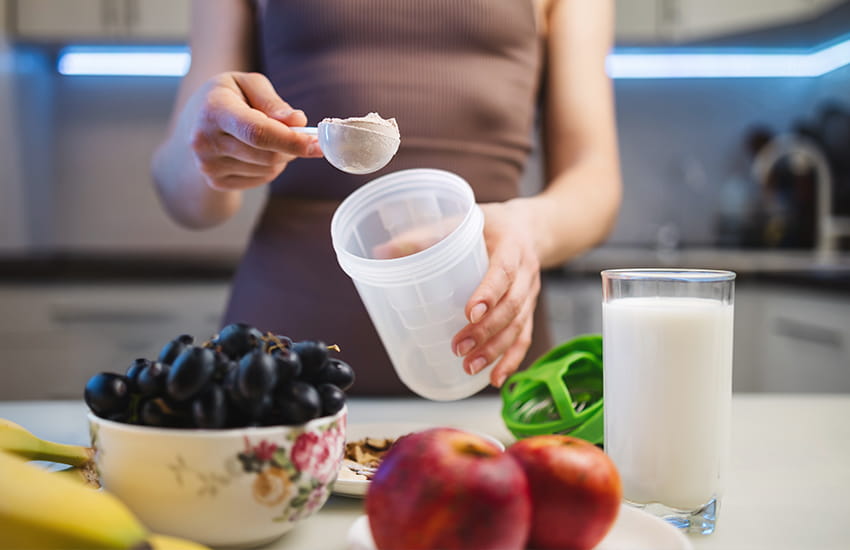
Figure 1: As the building blocks of proteins, amino acids are vital for humans. The body cannot produce essential amino acids itself.
As the building blocks of proteins, amino acids are indispensable for many bodily processes. While some amino acids can be synthesised by the body, essential amino acids must be supplied through the diet. In this blog post you will learn which central roles amino acids play in the body and which foods can cover your daily requirement. It also explains the typical signs of an amino acid deficiency, which groups of people should pay particular attention to their supply, and in which cases supplementation may be useful.
What are amino acids and what do we need them for?
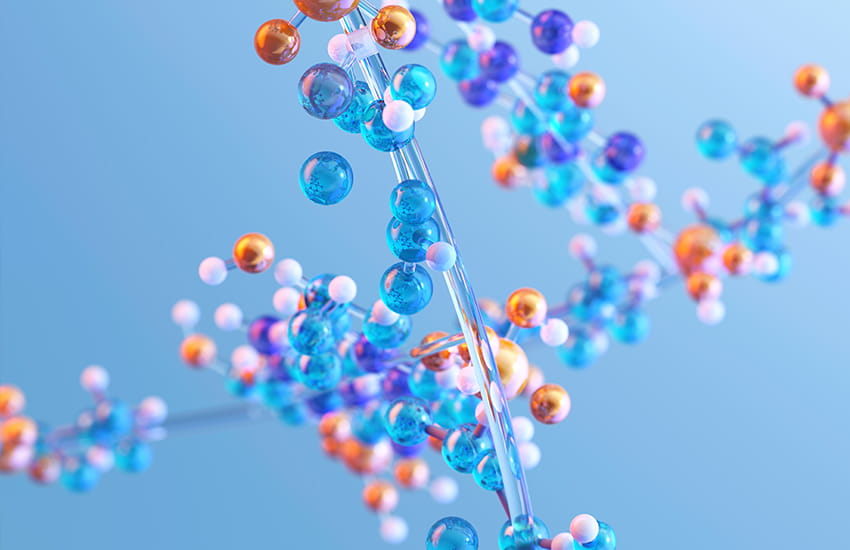
Figure 2: Amino acids are organic compounds that join into long chains and thereby form proteins.
Chemically, amino acids are molecules composed of nitrogen, carbon and oxygen. Each contains at least one carboxyl group (-COOH) and at least one amino group (-NH2). The organic compounds can either exist individually (free amino acids) or join into long chains. Chains of fewer than 100 amino acids are called peptides; chains of more than 100 amino acids are called proteins. The order of the linked amino acids determines which protein is formed.
The fact that proteins are often referred to as the “basis of all life” makes clear how important proteins are for us humans — and therefore also the amino acids that make them up. Without protein in every cell, the human body could not function smoothly. Basically, a distinction is made between structural, transport and motor proteins. These support, among other things, the transport of oxygen and other vital substances into cells, muscle growth and maintenance, strong hair and nails, and immune defence.
Essential, non-essential, semi-essential and conditionally essential amino acids
To date, around 400 amino acids are known, of which only 21 are actually relevant to humans. They are also called proteinogenic amino acids because they can be used in protein biosynthesis. The proteinogenic amino acids can be further divided into essential (indispensable) and non-essential (dispensable) amino acids. The latter can be synthesised by the body from other amino acids or metabolic intermediates. Essential amino acids, on the other hand, must be obtained through the diet.
- Essential amino acids: Isoleucine, Leucine, Lysine, Methionine, Phenylalanine, Threonine, Tryptophan, Valine, Histidine
- Non-essential amino acids: Arginine, Alanine, Asparagine, Aspartic acid, Cysteine, Glutamine, Glutamic acid, Glycine, Proline, Serine, Selenocysteine, Tyrosine
The functions of amino acids in the human body
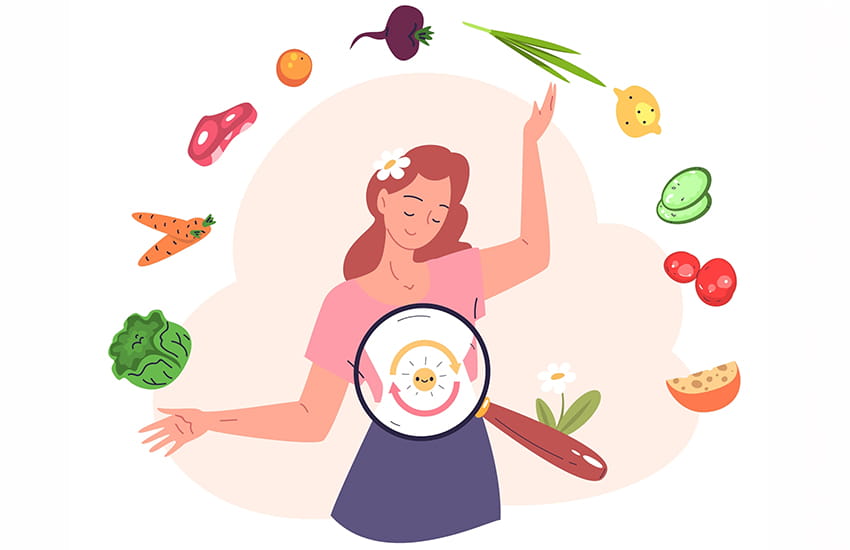
Figure 3: In addition to protein biosynthesis, amino acids are important for muscles, regeneration and metabolic processes as well as for immune defence.
1. Protein biosynthesis
Protein biosynthesis is the process by which the body produces proteins from amino acids. Every cell in the body depends on being able to produce proteins, as they are needed for enzymes, hormones and structural elements such as muscles or skin. Without this process, growth, repair and the maintenance of numerous bodily functions would be impossible.
2. Muscle building and regeneration
Our muscles are among the body structures for which proteins are indispensable. Amino acids such as leucine, isoleucine and valine (so-called BCAAs – branched-chain amino acids) play a central role in muscle building and regeneration after physical exertion. They help prevent muscle breakdown and support recovery after training or injury.
3. Metabolism, hormones and neurotransmitters
Amino acids and proteins are present in all body cells and are involved in numerous metabolic processes. They serve as precursors for the synthesis of hormones (e.g. insulin, adrenaline) and neurotransmitters (e.g. serotonin, dopamine), which regulate mood, energy balance and organ functions. They are also involved in energy supply when carbohydrates and fats are insufficient.
4. Immune system
Amino acids are essential for a functioning immune defence. They are required, among other things, for the formation of antibodies and support the production of immune cells. A deficiency can weaken resistance to infections and promote inflammatory processes in the body.
How much protein and amino acids do we need daily?
Figure 4: Not all amino acids are needed in the same amount. Requirements can also be increased in certain life situations.
Protein and amino acid requirements depend on age, sex, body weight, physical activity and individual health conditions. For an average adult, the German Nutrition Society (DGE) recommends about 0.8 g of protein per kilogram of body weight per day. Athletes, pregnant and breastfeeding women and older people may have higher requirements.
From tofu to low‑fat quark: Foods rich in amino acids
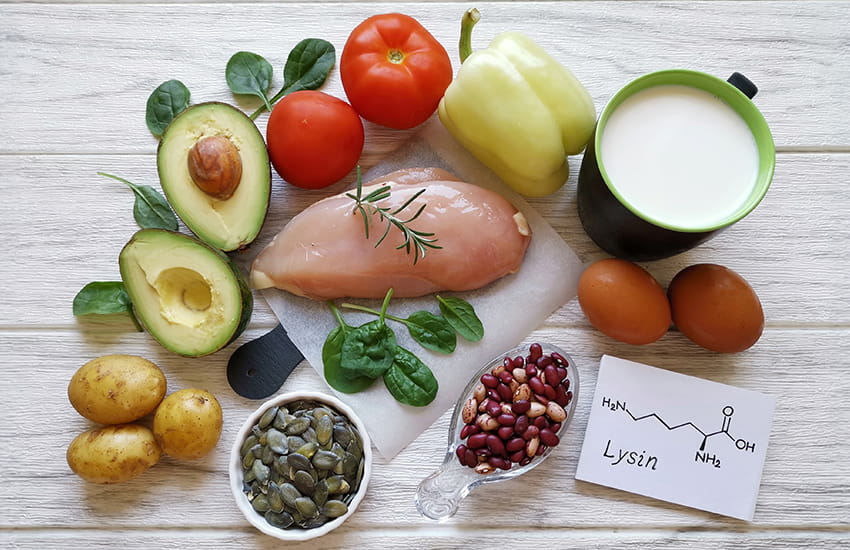
Figure 5: It is a widespread misconception that only animal foods contain relevant amounts of amino acids. However, the biological value of animal products is often higher compared with plant foods.
Proteins can be sourced from both animal and plant-based foods. Meat, fish, eggs, dairy products and quark provide all essential amino acids in high biological value. Plant foods such as legumes, soy, nuts, seeds and whole grains also contain amino acids, though often not all essential ones in sufficient proportions. A combination of different plant sources still reliably meets requirements.
Amino acid deficiency: Symptoms, possible consequences and risk groups

Figure 6: Those who eat a balanced, protein‑rich diet are rarely affected by an amino acid deficiency. Certain risk groups should, however, pay closer attention to their supply.
An amino acid deficiency can manifest as muscle weakness, decreased performance, hair loss, brittle nails, susceptibility to infections or concentration problems. Vegetarians, vegans, older people, people with chronic illnesses or after operations, and athletes who train intensively are particularly at risk.
Supplements and nutritional supplementation
In many cases, a varied, protein‑rich diet is sufficient to meet amino acid needs. In special life situations, targeted supplementation can be useful, for example with protein powders, amino acid preparations or special combinations for athletes. Dosage should be agreed with a professional to avoid excessive intake.
Disclaimer
This article does not replace treatment by a qualified therapist. The basis of this article is studies and current literature. It must not be used for self‑diagnosis or self‑treatment. Discuss your diet or supplements with a therapist you trust if necessary.
Biography
Katharina Korbach regularly writes blog posts for the Narayana Verlag about medicinal plants, dietary supplements and natural active ingredients. She developed an interest in language early on and began writing her own literary texts. A serious illness during her final school years prompted an intensive engagement with health and nutrition topics that continues to this day. After repeated failure of conventional medical treatments, she opted for a naturopathic therapeutic approach. A plant‑based diet was a key element in her path to recovery.
Katharina studied Cultural Studies (B.A.) and Applied Literary Studies (M.A.). In 2022 she published her debut novel “Sperling” with Berlin Verlag. Today she works as a freelance author, medical editor and lecturer in Berlin. In her free time she likes to travel, try new vegan recipes and does barre training.
- Shang M, Cappellesso F, Amorim R, Serneels J, Virga F, Eelen G, Carobbio S, Rincon MY, Maechler P, De Bock K, Ho PC, Sandri M, Ghesquière B, Carmeliet P, Di Matteo M, Berardi E, Mazzone M. Macrophage‑derived glutamine boosts satellite cells and muscle regeneration. Nature. 2020 Nov. https://pmc.ncbi.nlm.nih.gov/articles/PMC7116844/
- Cruzat V, Macedo Rogero M, Noel Keane K, Curi R, Newsholme P. Glutamine: Metabolism and Immune Function, Supplementation and Clinical Translation. Nutrients. 2018 Oct 23. https://pubmed.ncbi.nlm.nih.gov/30360490/
- Labarrere CA, Kassab GS. Glutathione: A Samsonian life‑sustaining small molecule that protects against oxidative stress, ageing and damaging inflammation. Front Nutr. 2022 Nov 1. https://pubmed.ncbi.nlm.nih.gov/36386929/
- DGE (2017): Reference value for protein. https://www.dge.de/wissenschaft/referenzwerte/protein/ (accessed: 12.01.2026).
- Wu G. Dietary protein intake and human health. Food Funct. 2016 Mar. https://pubmed.ncbi.nlm.nih.gov/26797090/
- WHO (2007): Protein and amino acid requirements in human nutrition. https://iris.who.int/server/api/core/bitstreams/b7c5ec43-bc59-4b38-b702-3f0e96a06fa1/content (accessed: 12.01.2026).
- Kobayashi H. [Amino Acid Nutrition in the Prevention and Treatment of Sarcopenia]. Yakugaku Zasshi. 2018. https://pubmed.ncbi.nlm.nih.gov/30270272/
- Hsu CC, Sun CY, Tsai CY, Chen MY, Wang SY, Hsu JT, Yeh CN, Yeh TS. Metabolism of Proteins and Amino Acids in Critical Illness: From Physiological Alterations to Relevant Clinical Practice. J Multidiscip Healthc. 2021 May 14. https://pubmed.ncbi.nlm.nih.gov/34017176/
- BfR (2019): Dietary supplements – Isolated branched‑chain amino acids can impair health at high intakes. https://www.bfr.bund.de/cm/343/nahrungsergaenzungsmittel-isolierte-verzweigtkettige-aminosaeuren-koennen-bei-hoher-aufnahme-die-gesundheit-beeintraechtigen.pdf (accessed: 18.01.2026).
Figure 1: Farion_O/shutterstock.com ; Figure 2: Corona Borealis Studio/shutterstock.com ; Figure 3: StockSmartStart/shutterstock.com ; Figure 4: NadyaEugene/shutterstock.com ; Figure 5: Danijela Maksimovic/shutterstock.com ; Figure 6: fizkes/shutterstock.com
23.02.2026

